Loch Ness from Orbit: Three Elongated Shapes
A planned Inverness trip, Google Earth’s east shore, and three arcs under review — not confirmed Nessie, not dismissed either.
Sources Inverness Courier (18 Sep 2026); IBTimes UK (21 Sep 2026); New York Post (20 Sep 2026); Official Loch Ness Sightings Register (as reported)
In mid-September 2026, Julie Fraser of north-east England opened Google Earth to scout the Clan Fraser cemetery on Loch Ness’s east shore ahead of a planned Inverness visit. What she enlarged instead were three elongated shapes in the water — a “little family,” she later called them — and she filed the find with the Official Loch Ness Sightings Register.
What the public record says
Local and national coverage (Inverness Courier, IBTimes UK, New York Post) recounts the same skeleton of facts. Fraser compared the shapes to a nearby pleasure boat that left a visible wake; the three forms, she said, showed none, and carried an arc suggesting backs rather than hulls. Imagery carried a 2026 year mark and trees in full leaf, which she took as a cue that the capture was recent leaf-on season — not a precise day stamp.
The register, by her account, contacted her and undertook a review. At the time of the reports, the shapes had not been confirmed as the legendary animal. Listing a report, the outlets note, is not the same as verifying a creature.
Archivist’s margin
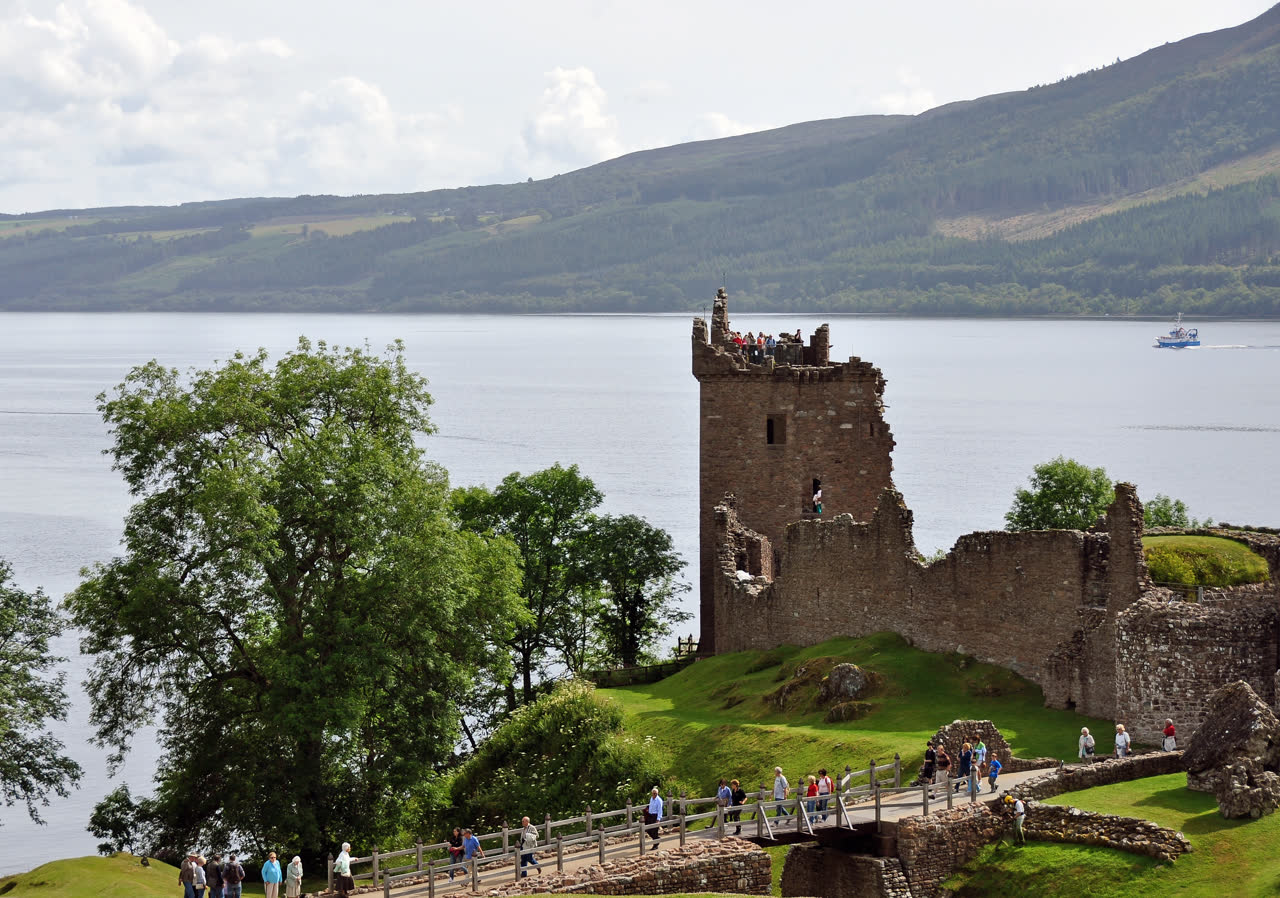
Satellite and aerial pixels are generous with ambiguity: wakes, wave trains, submerged debris, sensor stretch, and wishful zoom all live in the same grey. Fraser’s own quotes stress significance without claiming laboratory proof. For this ledger the file is open: a documented digital report under review, cited from public press, with no independent confirmation that the arcs are biological, let alone Nessie. The hero image here is lake geography only — not a rehosted news screenshot of the Google Earth crop.