The evidence: The Antikythera Mechanism fragments themselves
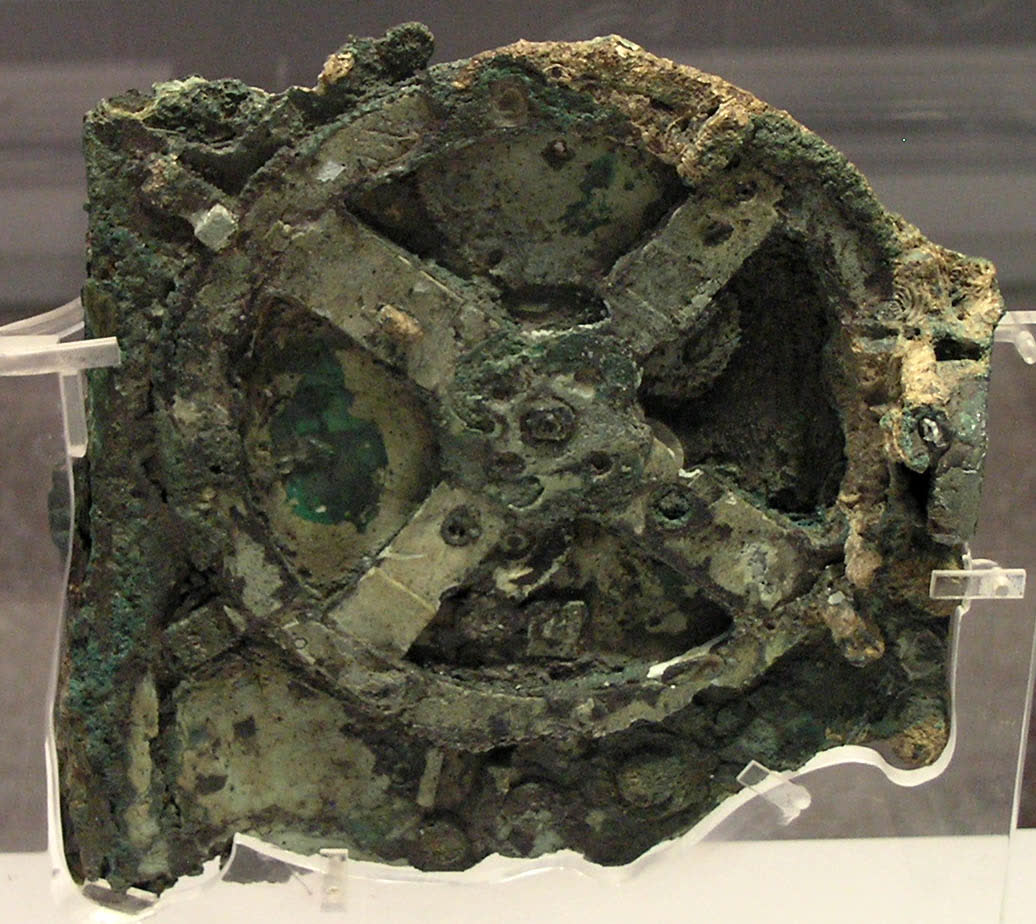
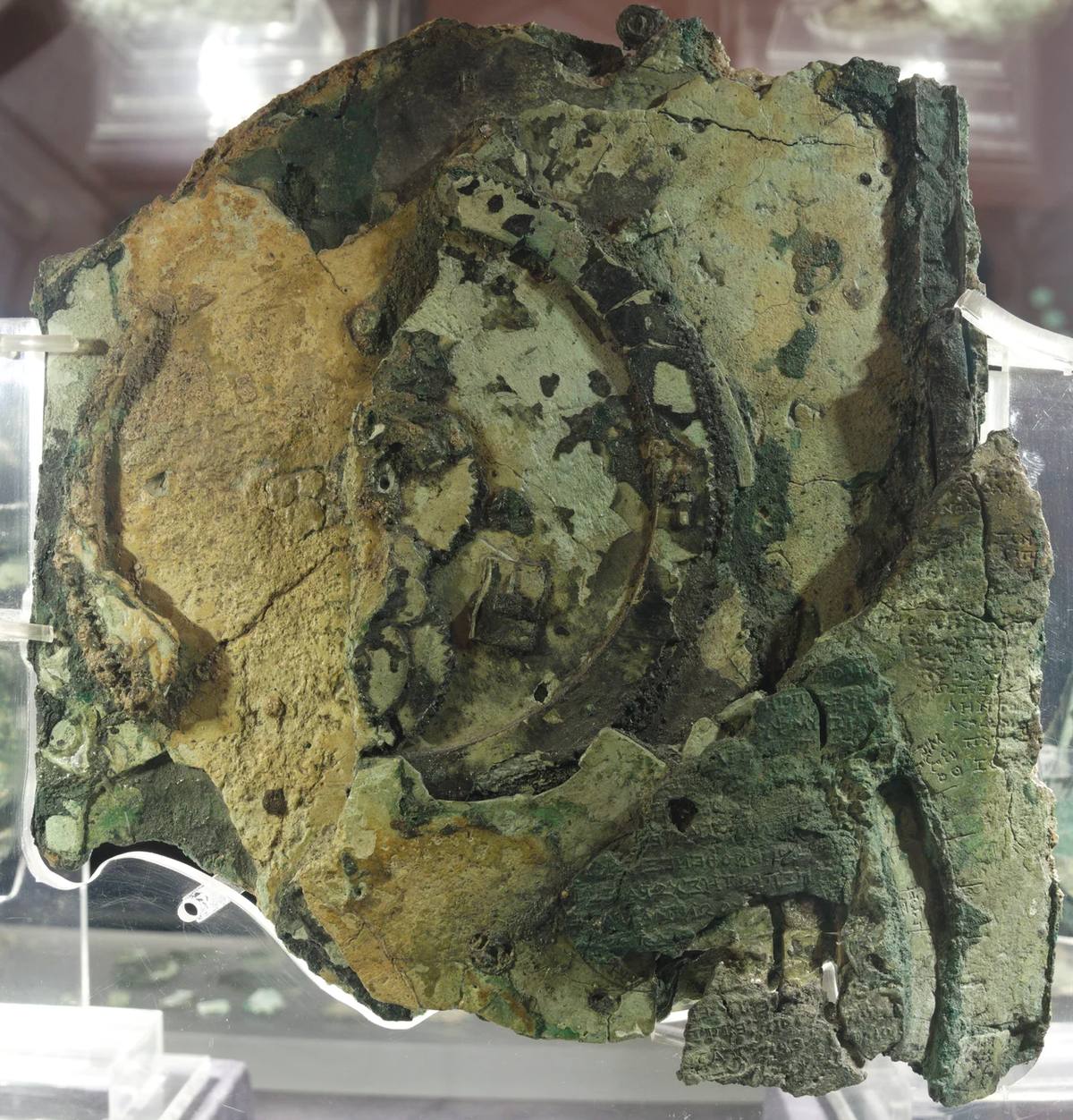

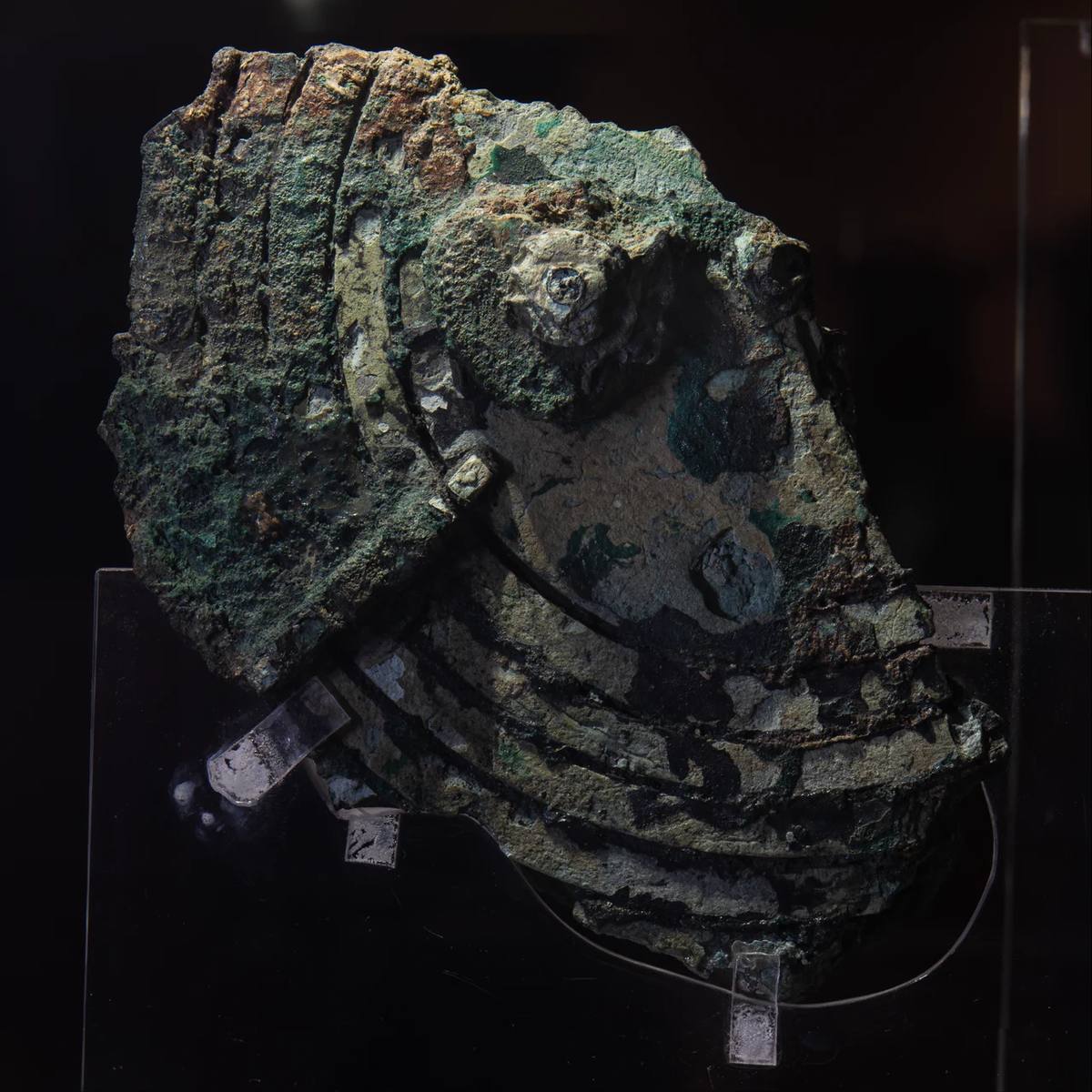

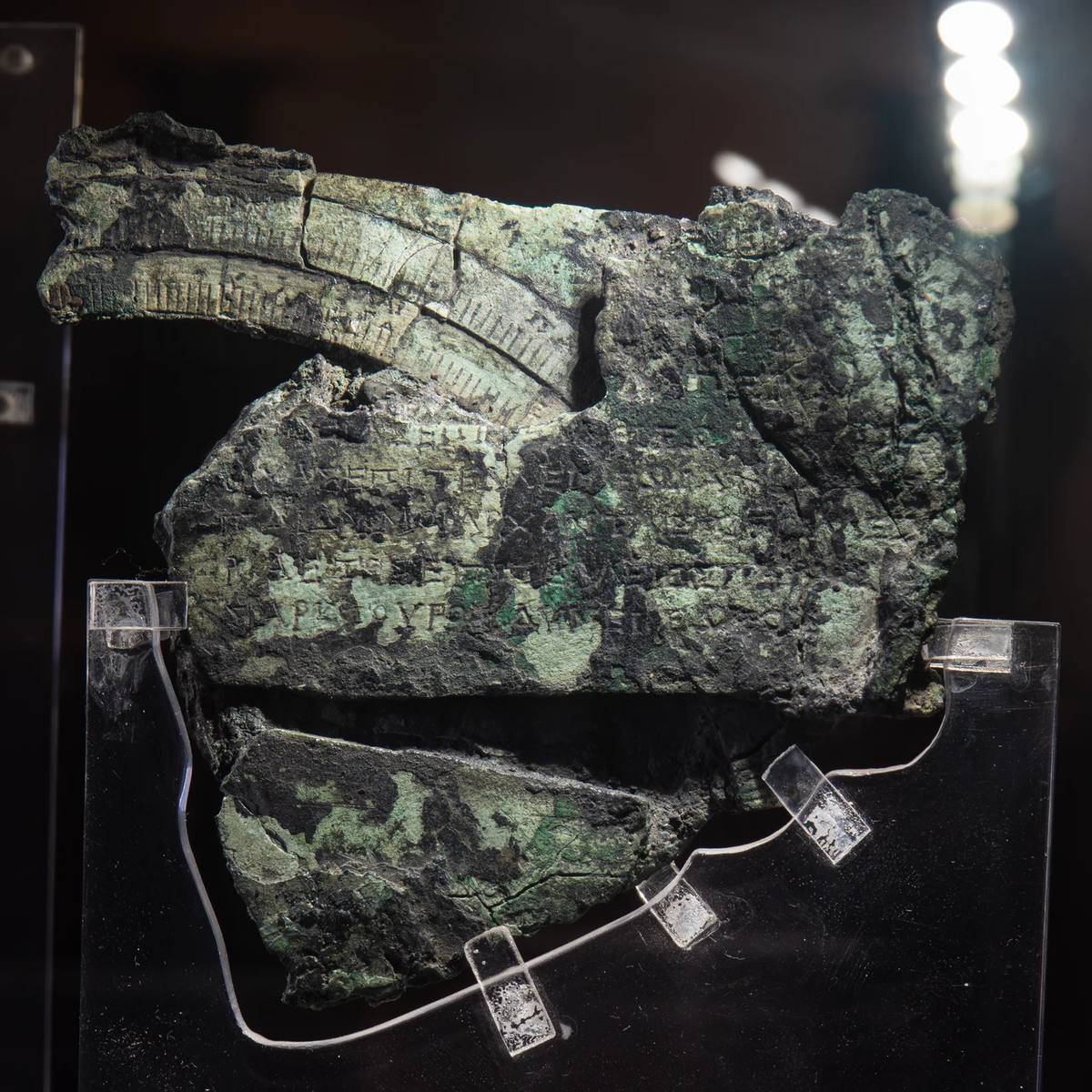

The Antikythera Mechanism
Last reviewed Next review
We review and update every article weekly. When the record changes, so does the article. How we review
A shipwrecked bronze calculator from the ancient Mediterranean, out of place only until the gear trains are counted.
Verdict: A real ancient Greek astronomical calculator, explained by decades of research; only its makers and reach are unknown.
Original sources: Freeth et al., Nature 444 (2006) · Wikipedia, 'Antikythera mechanism'
Sources National Archaeological Museum, Athens (antikythera-mechanism.namuseum.gr); Nature and peer-reviewed Antikythera Mechanism Research Project studies
Recovered from a first-century BCE wreck off the island of Antikythera in 1901, a corroded lump of bronze eventually revealed stacked gears, dials, and inscriptions. Modern imaging reconstructed a geared model of celestial cycles: lunar phases, eclipse prediction, and calendrical periods far more intricate than casual “ancient gadget” rhetoric suggests.
The National Archaeological Museum in Athens now frames the device as Hellenistic mechanical culture made visible: extraordinary craft with a public research trail, not a vault mystery.
OOPArt, then citation
Popular lists sometimes file the mechanism as an out-of-place artifact implying lost high technology. The scholarly file is stricter. Dating, metallurgy, and inscription studies place it within Mediterranean geared astronomy. Fragmentary sister traditions (Cicero on Archimedes’ sphere; later Byzantine and Islamic calendars) supply context rather than a conspiracy of silence.
Weighing it
Mystery remains in the gaps (who commissioned it, how widely such devices circulated), but those are historical questions. Count the gears before inventing Atlantis.
Verdict
Explained A real ancient Greek astronomical calculator, explained by decades of research; only its makers and reach are unknown.
Evidence ledger
Each claim in this file, the source it rests on, and how well it holds up: 2 corroborated · 1 unverified · 1 debunked. What the labels mean.
| Claim | Source | Type · date | Status |
|---|---|---|---|
| The mechanism was recovered in 1901 from a 1st-century BCE wreck off Antikythera. | National Archaeological Museum, Athens; Antikythera Mechanism Research Project | museum / archive | corroborated |
| Its gears modeled lunar phases, eclipse prediction and calendar cycles. | Nature and peer-reviewed AMRP studies | scholarly | corroborated |
| It is an out-of-place artifact implying lost high technology. | Popular OOPArt lists, against museum and peer-reviewed dating, metallurgy and inscription studies | scholarly | debunked |
| Who commissioned it and how widely such devices circulated are known.Still open historical questions. | National Archaeological Museum; AMRP studies | scholarly | unverified |
Update log
-
We added this case file.
-
Weekly re-check of sources; no change to the record since filing. Next check November 23, 2026.
Discussion
Discuss this case on the on-site Community board — no GitHub account required. Prefer a private tip for the editorial team? Submit a Sighting.
House rules: Community guidelines.