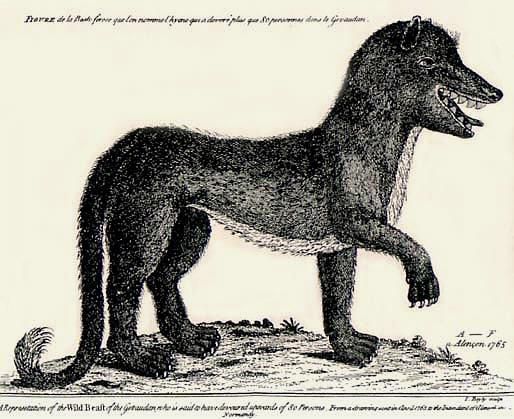
The evidence: 1765 engraving of the Beast


The Beast of Gévaudan, 1764–1767
Last reviewed Next review
We review and update every article weekly. When the record changes, so does the article. How we review
For three years something killed and partly ate people, mostly women and children, across a remote corner of south-central France.
Verdict: The killings were real; the animal or animals behind them are still argued over.
Sources Jay M. Smith, Monsters of the Gévaudan: The Making of a Beast (Harvard University Press, 2011); contemporary French press and royal correspondence as discussed by Smith; Wikipedia, 'Beast of Gévaudan'
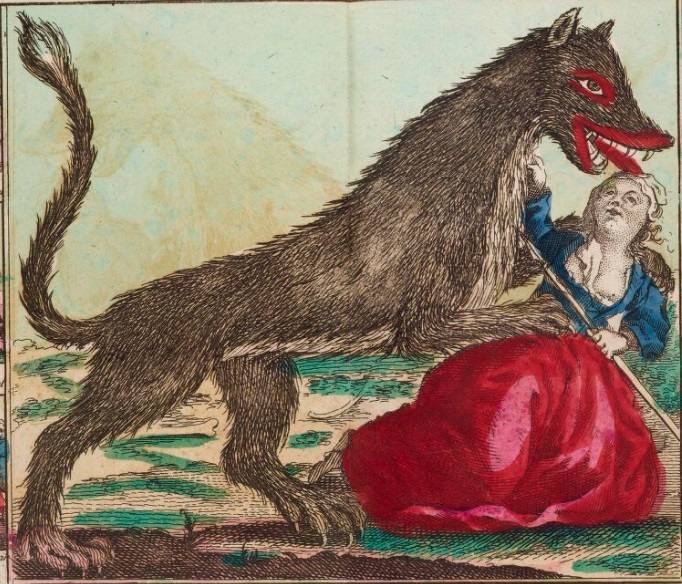
Between the summer of 1764 and June 1767, people in the Gévaudan, a poor upland province of south-central France, were attacked by what witnesses described as a huge, reddish, wolf-like animal with a long tail. Most victims were women and children watching livestock. A widely cited 1987 study counted about 210 attacks, 113 deaths and 49 injuries, though tallies vary.
A national story
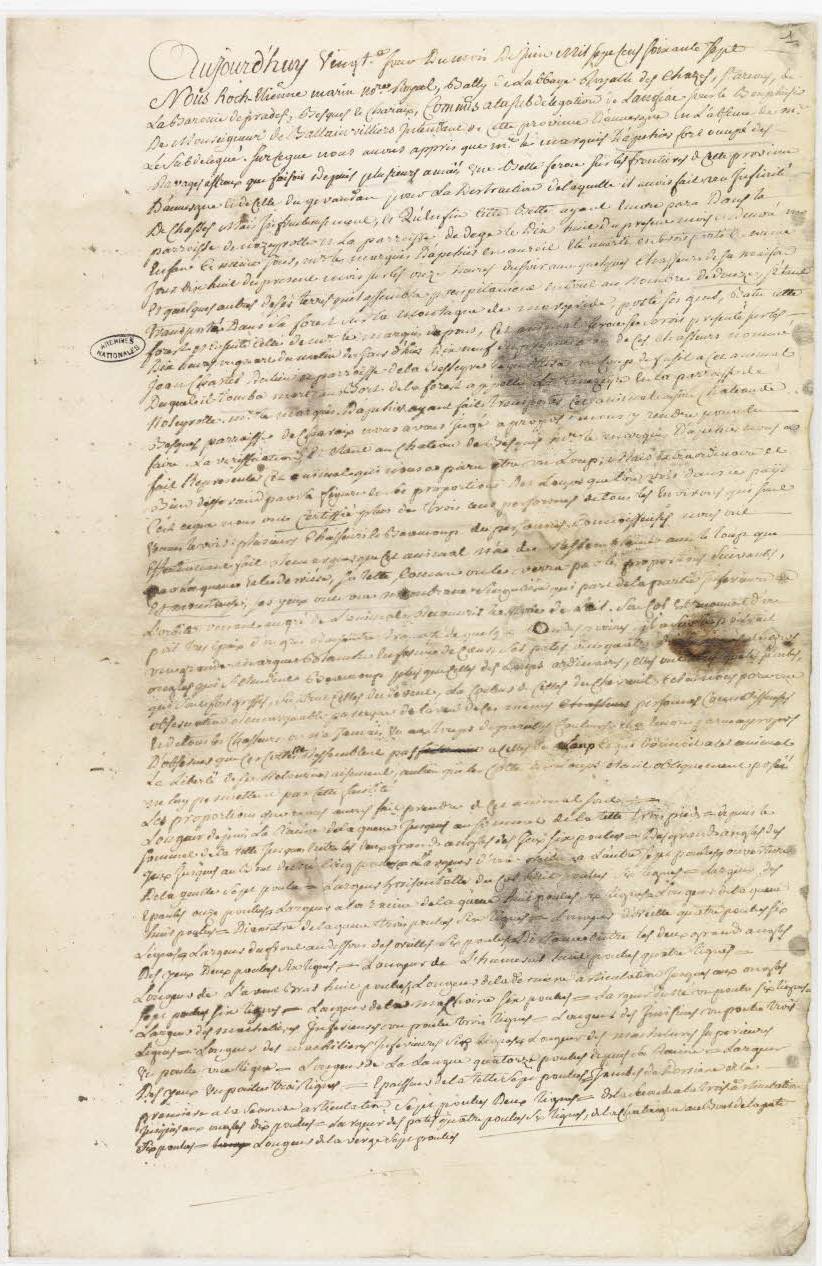
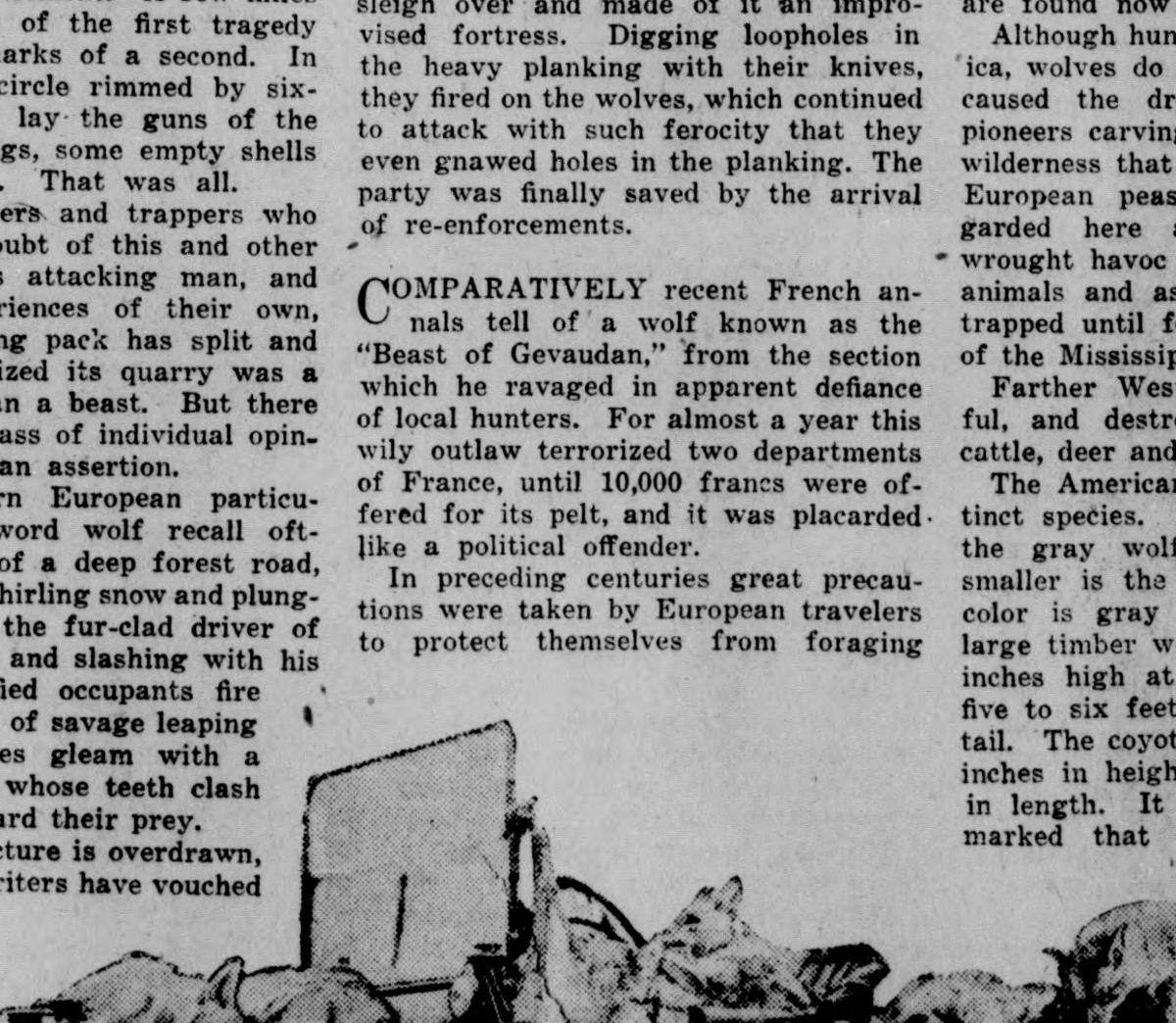
The attacks became one of the first great news stories of the French press. Newspapers ran accounts of the “Beast,” the bishop issued a pastoral letter calling it a divine punishment, and the king sent professional hunters. In 1765 the royal gun-bearer François Antoine killed a large wolf and declared the Beast dead. The attacks resumed. They finally ended after a local man, Jean Chastel, shot a large animal in June 1767.
What it was
The historian Jay M. Smith argues that the Beast was “made” as much as it was found: real wolf attacks, in a region where wolves were common and people vulnerable, turned by newspapers, church and court into a single monster. Exotic theories (a hyena, an escaped lion, a wolf-dog hybrid) rest on later reinterpretation of witness descriptions.
Sources
- Jay M. Smith, Monsters of the Gévaudan: The Making of a Beast (Harvard University Press, 2011): hup.harvard.edu · archive.org
- Wikipedia, “Beast of Gévaudan”: en.wikipedia.org
Every image on this page is credited where it appears.
Weighing it
The attacks and deaths are well documented.
Verdict
Disputed The killings were real; the animal or animals behind them are still argued over.
Evidence ledger
Each claim in this file, the source it rests on, and how well it holds up: 3 corroborated · 1 disputed · 1 unverified. What the labels mean.
| Claim | Source | Type · date | Status |
|---|---|---|---|
| A series of attacks on people occurred in the Gévaudan (modern Lozère and part of Haute-Loire) between June 1764 and June 1767. | Smith (2011); Wikipedia | scholarly · 2011 | corroborated |
| About 210 attacks caused about 113 deaths and 49 injuries.Counts differ by source. | 1987 study cited by Wikipedia | secondary · 1987 | disputed |
| The French crown sent royal huntsmen; a large wolf killed by François Antoine in 1765 was declared the Beast.Attacks resumed afterwards. | Smith (2011) | scholarly · 2011 | corroborated |
| Attacks stopped after Jean Chastel killed an animal in June 1767. | Smith (2011); Wikipedia | scholarly · 2011 | corroborated |
| The Beast was a single exotic animal (hyena, lion or hybrid).Most historians favor one or more wolves amplified by press and politics. | Later popular theories | secondary | unverified |
Update log
-
We added this case file.
-
Weekly re-check of sources; no change to the record since filing. Next check November 23, 2026.
Discussion
Discuss this case on the on-site Community board — no GitHub account required. Prefer a private tip for the editorial team? Submit a Sighting.
House rules: Community guidelines.