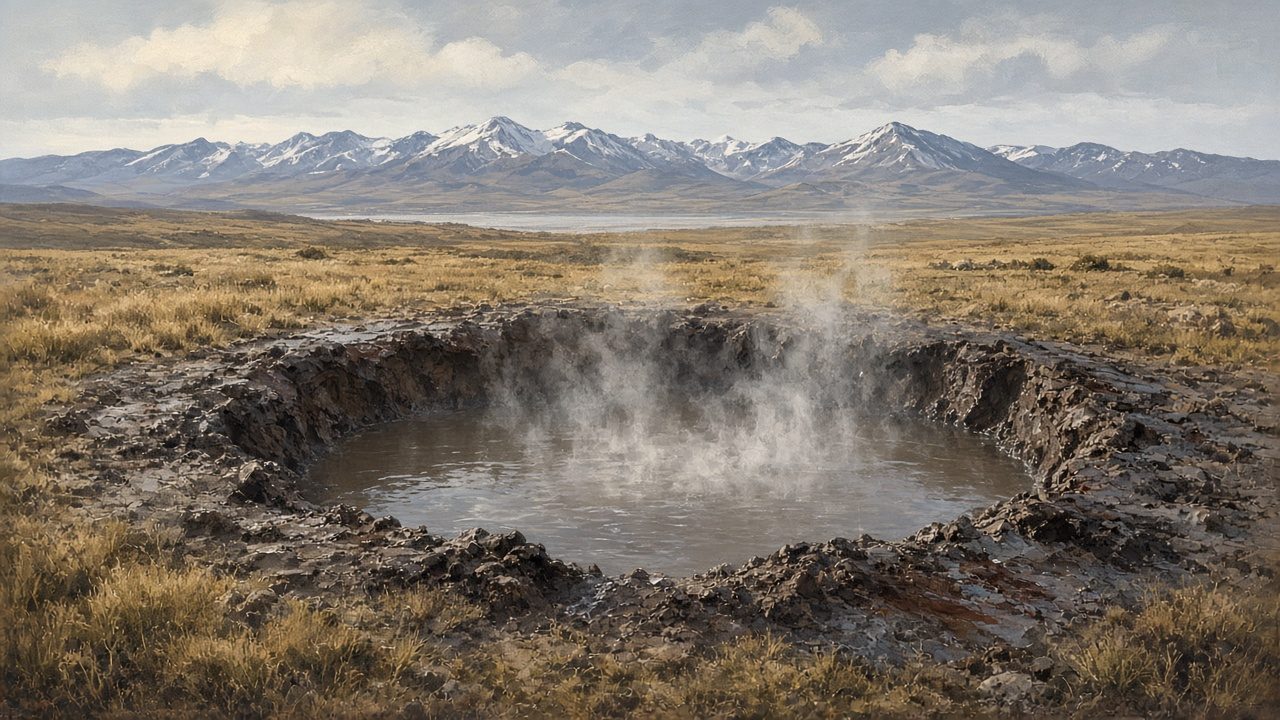


No original photo or video of this event is known.
Carancas, 15 September 2007: A Crater, a Smell and a Sick Village
Last reviewed Next review
We review and update every article weekly. When the record changes, so does the article. How we review
A stony meteorite hit the Altiplano near Lake Titicaca and blasted a water-filled crater.
Verdict: A real meteorite impact, and the villagers' illness most likely came from the crater's arsenic-laden groundwater.
Sources Tancredi et al., Meteoritics & Planetary Science 44 (2009), ADS abstract; NYT The Lede (24 Sep 2007); Wikipedia, 'Carancas impact event'
Just before noon on 15 September 2007, people in the village of Carancas, near Lake Titicaca in southern Peru, heard a roar and saw a fireball. Something hit the ground nearby, throwing up debris and leaving a crater about 13 meters across that filled with boiling, foul-smelling water.
A real crater
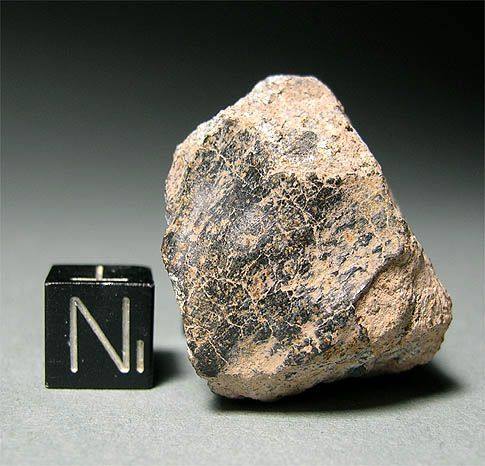
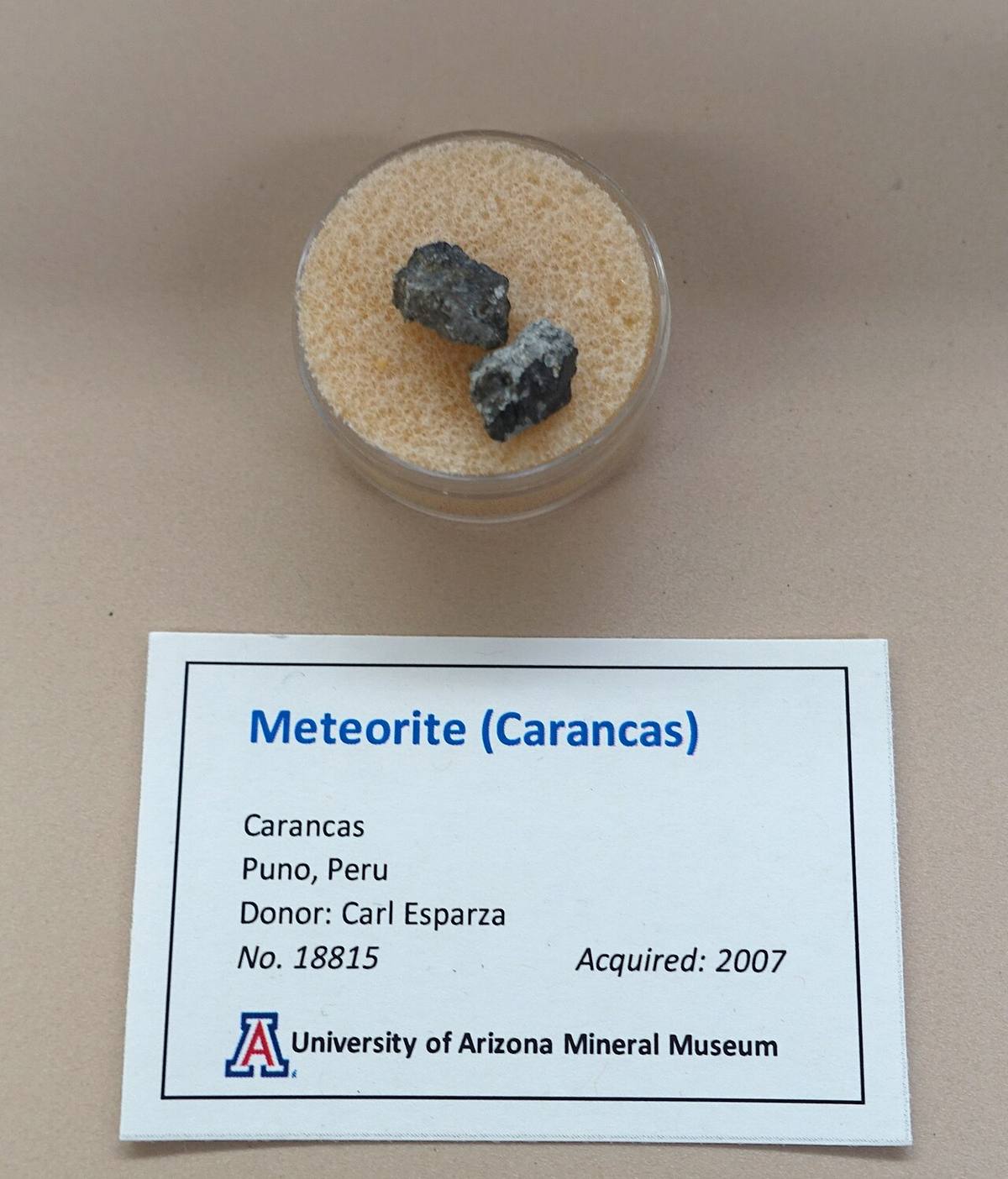
Peruvian geologists and international teams confirmed it was a meteorite impact. Fragments were an ordinary stony chondrite. What made Carancas unusual, as Gonzalo Tancredi and colleagues reported in Meteoritics & Planetary Science, is that a stone meteorite of this size is normally slowed by the atmosphere and should not have excavated a crater. Its survival changed models of how such bodies break up.
The sickness
Villagers and police who went to the crater reported headaches and nausea, and international headlines spoke of a mystery illness. Officials pointed to vapor from groundwater rich in arsenic, which is common in the area and would have been boiled by the impact, and to the anxiety of the moment. Flag: the arsenic explanation came from INGEMMET researchers in September 2007 (per the New York Times Lede blog). We have not yet read a published water analysis that confirms it, so treat “most likely arsenic” as disputed. No lasting harm was confirmed.
Sources
- Tancredi, G., et al. (2009), Meteoritics & Planetary Science 44: doi:10.1111/j.1945-5100.2009.tb02006.x
- “Peru’s Meteor Illness Explained,” The Lede (New York Times blog), 24 Sep 2007 (INGEMMET researcher Luisa Macedo: arsenic fumes): nytimes.com
- Tancredi et al. abstract, NASA ADS 2009M&PS…44.1967T (read via Wayback): ui.adsabs.harvard.edu
- Wikipedia, “Carancas impact event”: en.wikipedia.org
Further reading (not yet re-checked)
These items are not cited for any claim on this page. We have not read them in this review.
- Meteoritical Bulletin Database, “Carancas” (behind a bot check for us): lpi.usra.edu
Verdict
Explained A real meteorite impact, and the villagers' illness most likely came from the crater's arsenic-laden groundwater.
Evidence ledger
Each claim in this file, the source it rests on, and how well it holds up: 4 corroborated. What the labels mean.
| Claim | Source | Type · date | Status |
|---|---|---|---|
| A meteorite struck near Carancas, Peru, on 15 Sep 2007, forming a crater about 13 m across.Abstract: “a 13.5 m crater and several fragments of a stony meteorite.” | Tancredi et al. (MAPS 2009), abstract via ADS | scholarly · 2009 | corroborated |
| The meteorite was an ordinary H4–5 chondrite.Wikipedia: an H chondrite breccia, formal classification H4-5. The Meteoritical Bulletin entry is behind a bot check for us, so we have not read it. | Wikipedia, “Carancas impact event” | scholarly · 2009 | corroborated |
| It was unusual for a stony meteorite this size to reach the ground fast enough to excavate a crater. | Tancredi et al. (2009), abstract via ADS | scholarly · 2009 | corroborated |
| Dozens of villagers reported headaches and nausea after visiting the crater.The Lede cites INGEMMET researcher Luisa Macedo (arsenic fumes from tainted groundwater) and says about 30 were sickened. Wikipedia adds that the mayor assumed a psychosomatic cause. We haven't read a published water analysis. | NYT Lede blog (24 Sep 2007); Wikipedia | press · 2007 | corroborated |
Update log
-
We added this case file.
-
Re-sourced claims to sources we have read: the crater (13.5 m per the Tancredi abstract) and impact claims to the ADS abstract; the H4-5 class to Wikipedia, since the Meteoritical Bulletin is behind a bot check for us; the illness claim to the NYT Lede blog and Wikipedia, citing INGEMMET for the arsenic explanation.
Sources https://ui.adsabs.harvard.edu/abs/2009M%26PS...44.1967T/abstract · https://en.wikipedia.org/wiki/Carancas_impact_event
-
Source review: we moved items we have not read out of Sources into a separate 'Further reading (not yet re-checked)' list. No claim on this page now cites them.
Sources
-
Weekly re-check of sources; no newer change to the record. Next check November 23, 2026.
Discussion
Discuss this case on the on-site Community board — no GitHub account required. Prefer a private tip for the editorial team? Submit a Sighting.
House rules: Community guidelines.