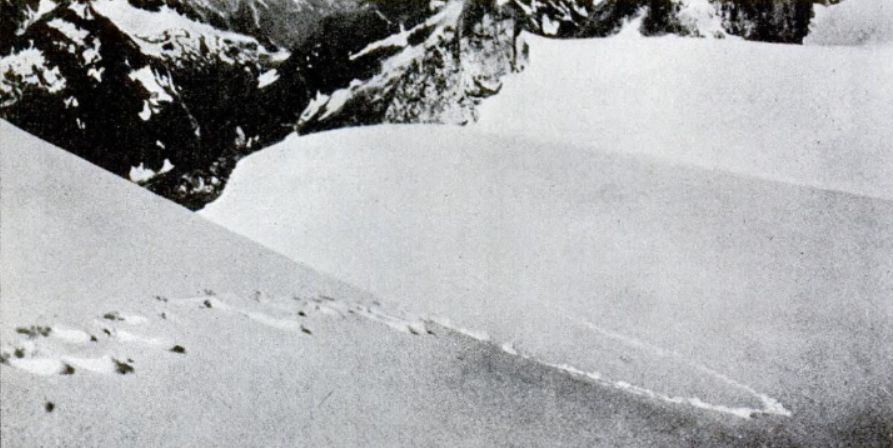




No original photo or video of this event is known.
The Pangboche Hand: A "Yeti" Relic Tested
Last reviewed Next review
We review and update every article weekly. When the record changes, so does the article. How we review
A mummified hand kept at a Buddhist monastery in Nepal's Khumbu region was long shown to visitors as a yeti's.
Verdict: DNA testing showed the 'yeti hand' relic was human.
Sources BBC News, 'Yeti finger' DNA results, Royal Zoological Society of Scotland / Edinburgh Zoo (27 Dec 2011); Wikipedia, 'Pangboche Hand'
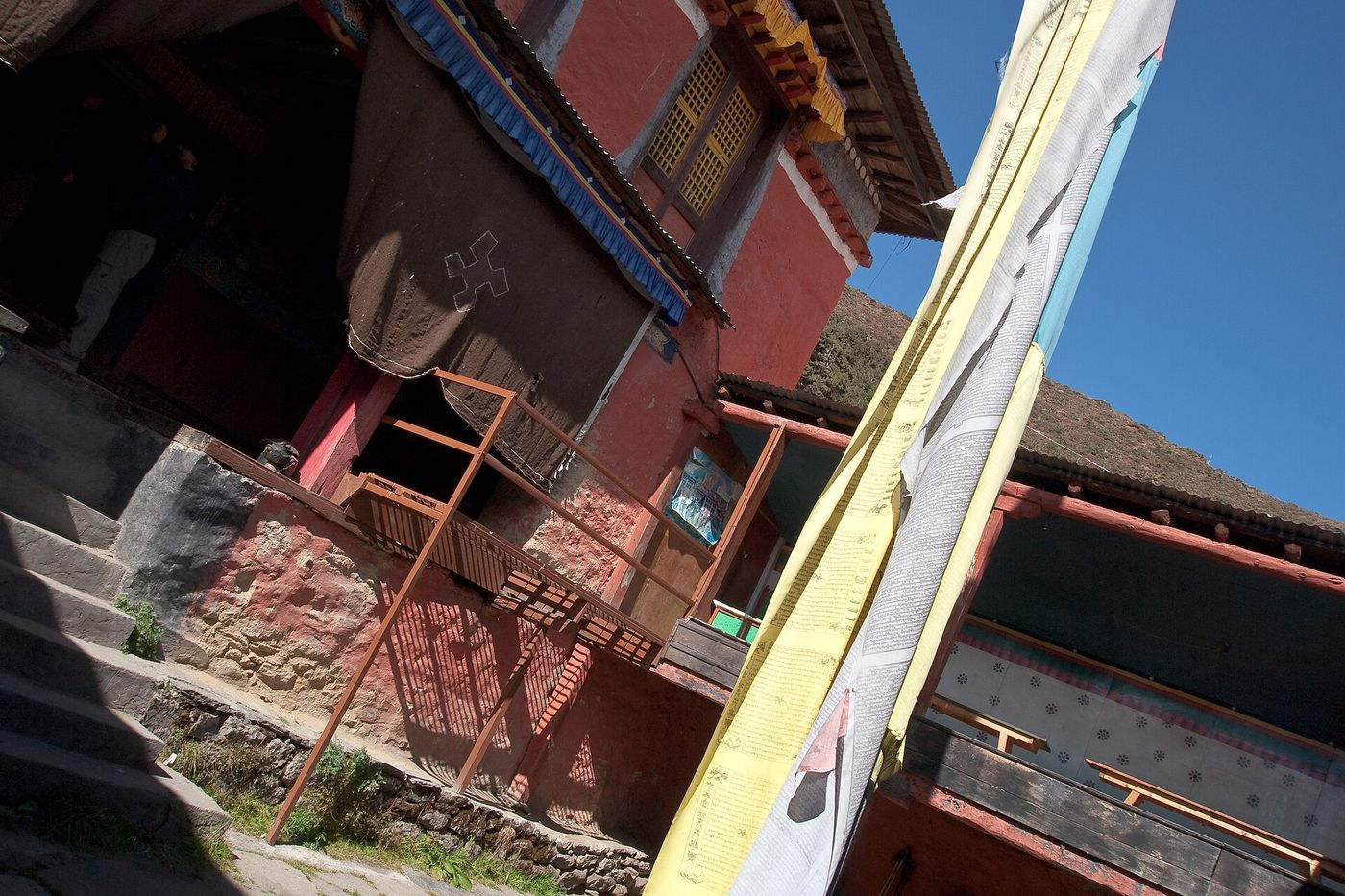
The village of Pangboche, on the trekking route to Everest in Nepal’s Khumbu region, has a small Buddhist monastery. For decades it kept a mummified hand that monks said belonged to a yeti, and Western expeditions in the 1950s took a keen interest.
A stolen finger
In 1959 an expedition funded by American oilman Tom Slick obtained a finger from the hand. The story, told later, is that the mountaineer Peter Byrne swapped it for a human finger and the actor James Stewart helped smuggle it out of India in his luggage. It ended up in the Hunterian Museum of the Royal College of Surgeons in London.
The test
In 2011 geneticist Rob Ogden at the Royal Zoological Society of Scotland tested the finger’s DNA. It was human. The original hand was stolen from the monastery in the 1990s and has not been recovered.
Sources
- BBC News, “Yeti finger mystery solved by Edinburgh scientists” (27 Dec 2011): bbc.co.uk
- BBC News, “Tracing the origins of a ‘yeti’s finger’” (27 Dec 2011): bbc.co.uk
- Wikipedia, “Pangboche Hand”: en.wikipedia.org
Every image on this page is credited where it appears.
Verdict
Explained DNA testing showed the 'yeti hand' relic was human.
Evidence ledger
Each claim in this file, the source it rests on, and how well it holds up: 3 corroborated · 1 debunked. What the labels mean.
| Claim | Source | Type · date | Status |
|---|---|---|---|
| A hand relic at Pangboche monastery was displayed as belonging to a yeti. | Wikipedia; BBC (2011) | press · 2011 | corroborated |
| A finger was taken from the hand in 1959 and ended up at the Royal College of Surgeons in London. | BBC (2011) | press · 2011 | corroborated |
| DNA testing in 2011 at Edinburgh Zoo found the finger to be human. | BBC (2011) | press · 2011 | corroborated |
| The hand belongs to a yeti. | Expedition-era claims | secondary · 1950s | debunked |
Update log
-
We added this case file.
-
Weekly re-check of sources; no change to the record since filing. Next check November 23, 2026.
Discussion
Discuss this case on the on-site Community board — no GitHub account required. Prefer a private tip for the editorial team? Submit a Sighting.
House rules: Community guidelines.