Feature reference (not a verified entrance)
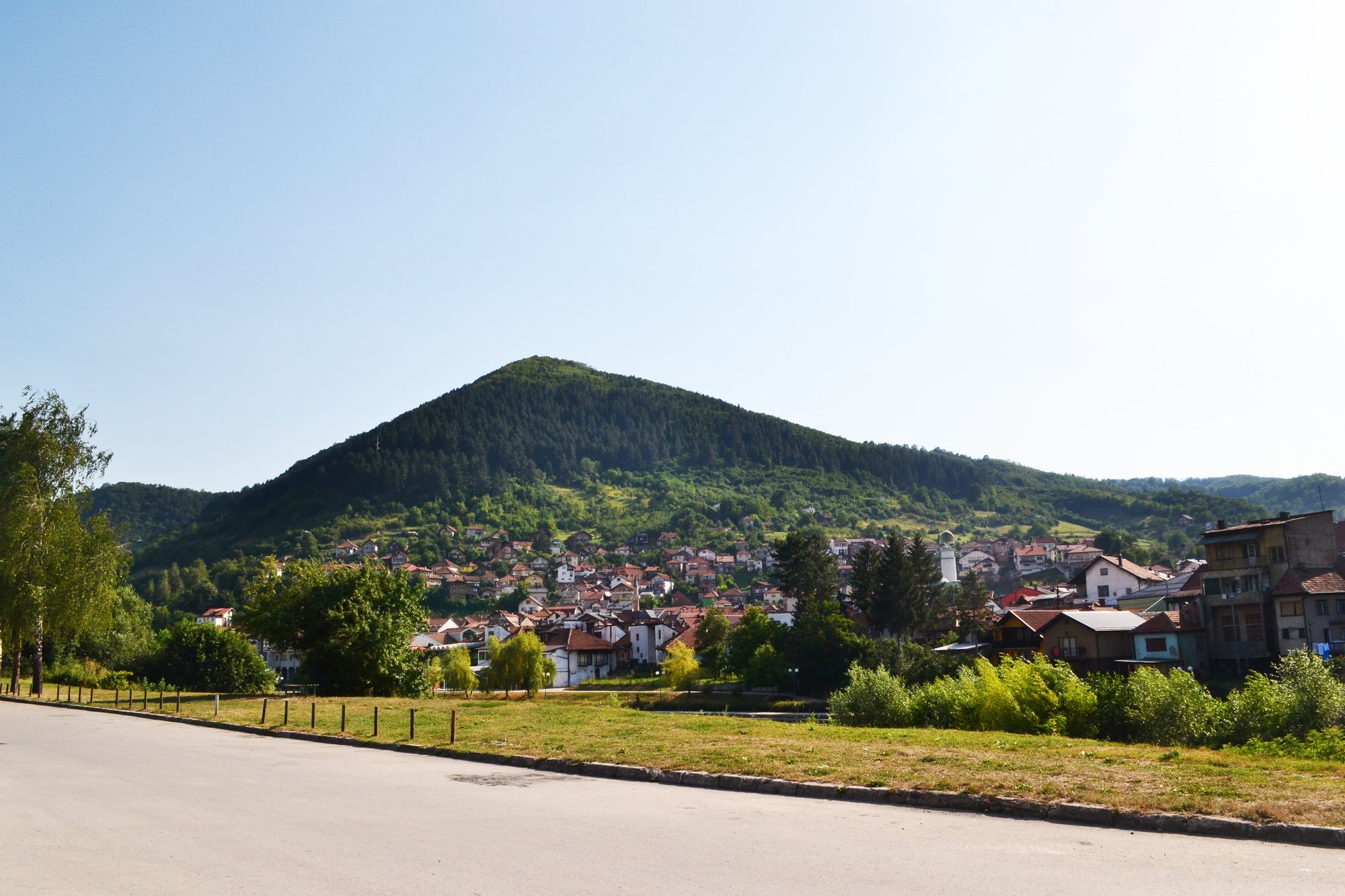
Visočica hill (Bosnian pyramid claims)
Last reviewed: not yet Next review
A natural hill in Visoko promoted since 2005 as the world's largest ancient pyramid, a claim scientists reject.
Access
We haven't checked access for this place. Check the land manager's or local tourism site for hours, fees and closures, and stay off private or closed land.
Safety & respect
Stay on marked paths and behind barriers. Ground near caves, sinkholes, geysers and cliffs can be unstable or hot.
Lore note
In 2005 businessman Semir Osmanagić claimed that Visočica and nearby hills were giant human-made pyramids. Geologists and archaeologists who studied the site found them to be a natural rock formation known as flatirons, with no sign of construction, and the European Association of Archaeologists called the idea a cruel hoax. Digging and reshaping since 2006 has raised concern for real remains on the hill, including a medieval castle and Roman fortifications.
Map links
Official / public map link · Approx. 43.9769, 18.1761: feature coordinate, not a checked entrance · Pin source: Wikipedia and Wikidata Q746765 coordinates, cross-checked against the OpenStreetMap peak for Visočica (within 0.1 km)
Sources
- Wikipedia, Bosnian pyramid claims (CC BY-SA 4.0; read 12 Nov 2026): https://en.wikipedia.org/wiki/Bosnian_pyramid_claims
- Wikidata, Q746765 (coordinate location P625, country P17; read 12 Nov 2026): https://www.wikidata.org/wiki/Q746765
In 2005 businessman Semir Osmanagić claimed that Visočica and nearby hills were giant human-made pyramids. Geologists and archaeologists who studied the site found them to be a natural rock formation known as flatirons, with no sign of construction, and the European Association of Archaeologists called the idea a cruel hoax. Digging and reshaping since 2006 has raised concern for real remains on the hill, including a medieval castle and Roman fortifications.
This entry is part of our world atlas. The summary above is written in our own words from the Wikipedia article, and the map pin uses published coordinates cross-checked against Wikidata. We haven’t visited this place or checked current access.