Feature reference (not a verified entrance)
Les Combarelles
Last reviewed: not yet Next review
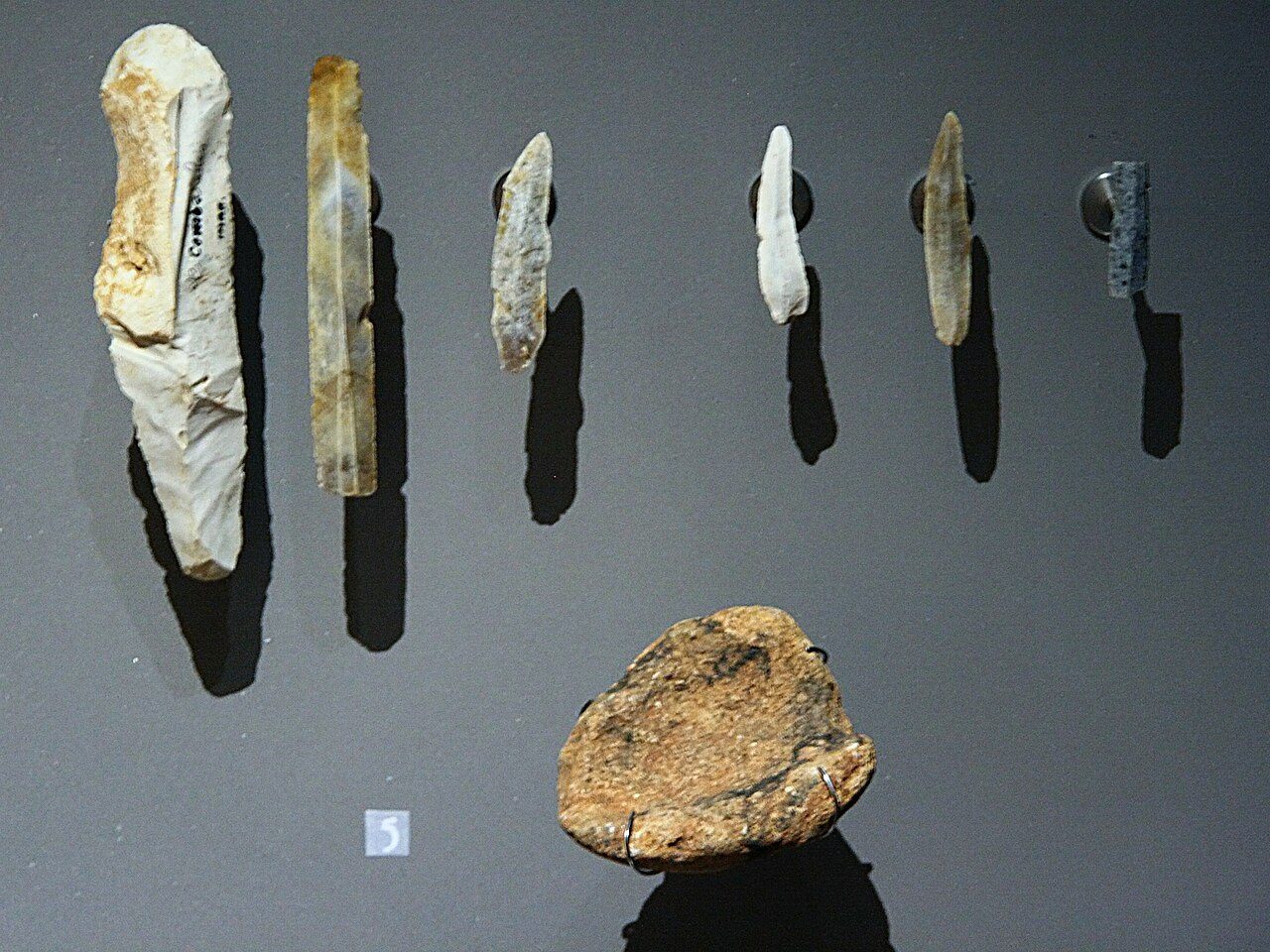
Les Combarelles is a cave in Les Eyzies de Tayac, Dordogne, France, which was inhabited by Cro-Magnon people between approximately 13,000 to 11,000 years ago.
Access
We haven't checked access for this place. Check the land manager's or local tourism site for hours, fees and closures, and stay off private or closed land.
Safety & respect
Stay on marked paths and behind barriers. Ground near caves, sinkholes, geysers and cliffs can be unstable or hot. Paleolithic cave art site: cultural-heritage warning.
Lore note
Les Combarelles is a cave in Les Eyzies de Tayac, Dordogne, France, which was inhabited by Cro-Magnon people between approximately 13,000 to 11,000 years ago. Holding more than 600 prehistoric engravings of animals and symbols, the two galleries in the cave were crucial in the re-evaluation of the mental and technical capabilities of these prehistoric humans around the turn of the 20th century. In 1979, along with other nearby paleolithic sites and cave paintings, the cave was inscribed on the UNESCO World Heritage List as part of the Prehistoric Sites and Decorated Caves of the Vézère Valley.
Map links
Official / public map link · Approx. 44.9436, 1.0422: feature coordinate, not a checked entrance · Pin source: Wikipedia article coordinates, cross-checked against Wikidata Q1487492 P625 (within 2 km)
Sources
- Wikipedia, Les Combarelles (CC BY-SA 4.0; read 1 Nov 2026): https://en.wikipedia.org/wiki/Les_Combarelles
- Wikidata, Q1487492 (coordinate location P625, country P17; read 1 Nov 2026): https://www.wikidata.org/wiki/Q1487492
Les Combarelles is a cave in Les Eyzies de Tayac, Dordogne, France, which was inhabited by Cro-Magnon people between approximately 13,000 to 11,000 years ago. Holding more than 600 prehistoric engravings of animals and symbols, the two galleries in the cave were crucial in the re-evaluation of the mental and technical capabilities of these prehistoric humans around the turn of the 20th century. In 1979, along with other nearby paleolithic sites and cave paintings, the cave was inscribed on the UNESCO World Heritage List as part of the Prehistoric Sites and Decorated Caves of the Vézère Valley.
This entry is part of our world atlas. The summary above is adapted from the Wikipedia article (CC BY-SA 4.0), and the map pin uses the coordinates published there, cross-checked against Wikidata. We haven’t visited this place or checked current access.