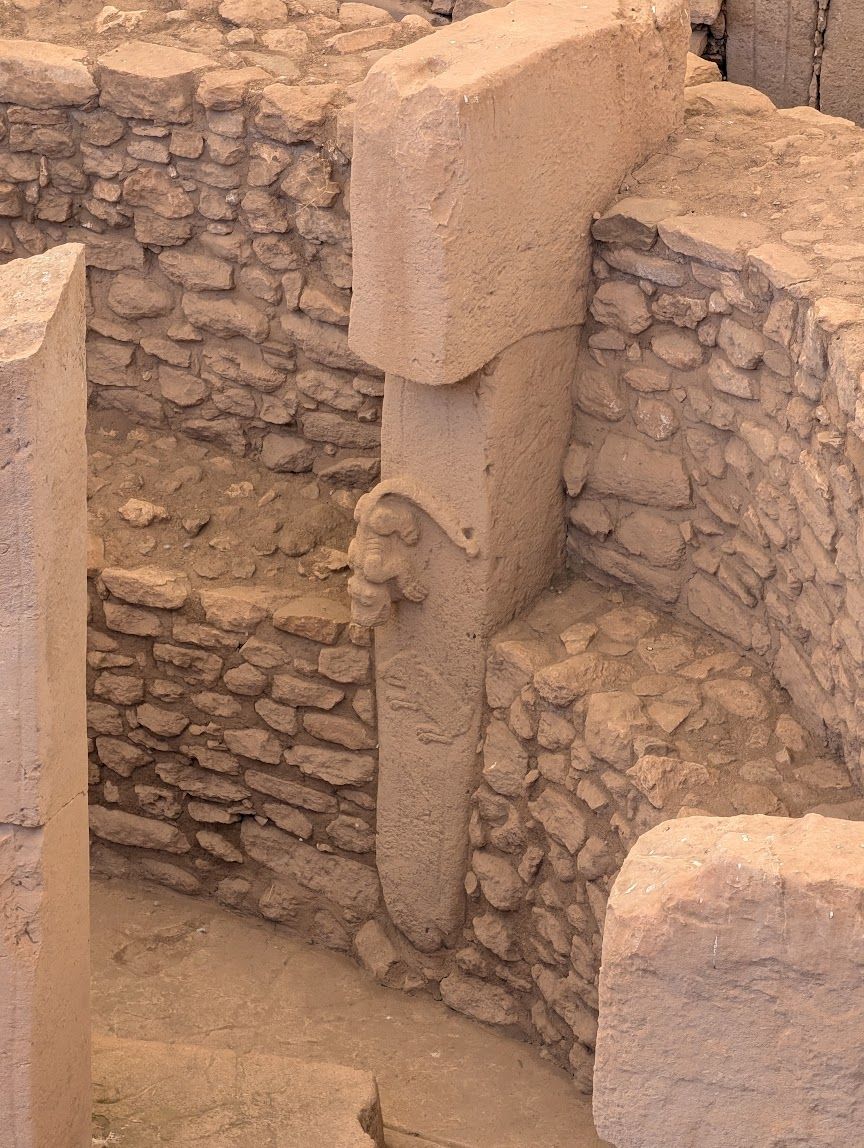
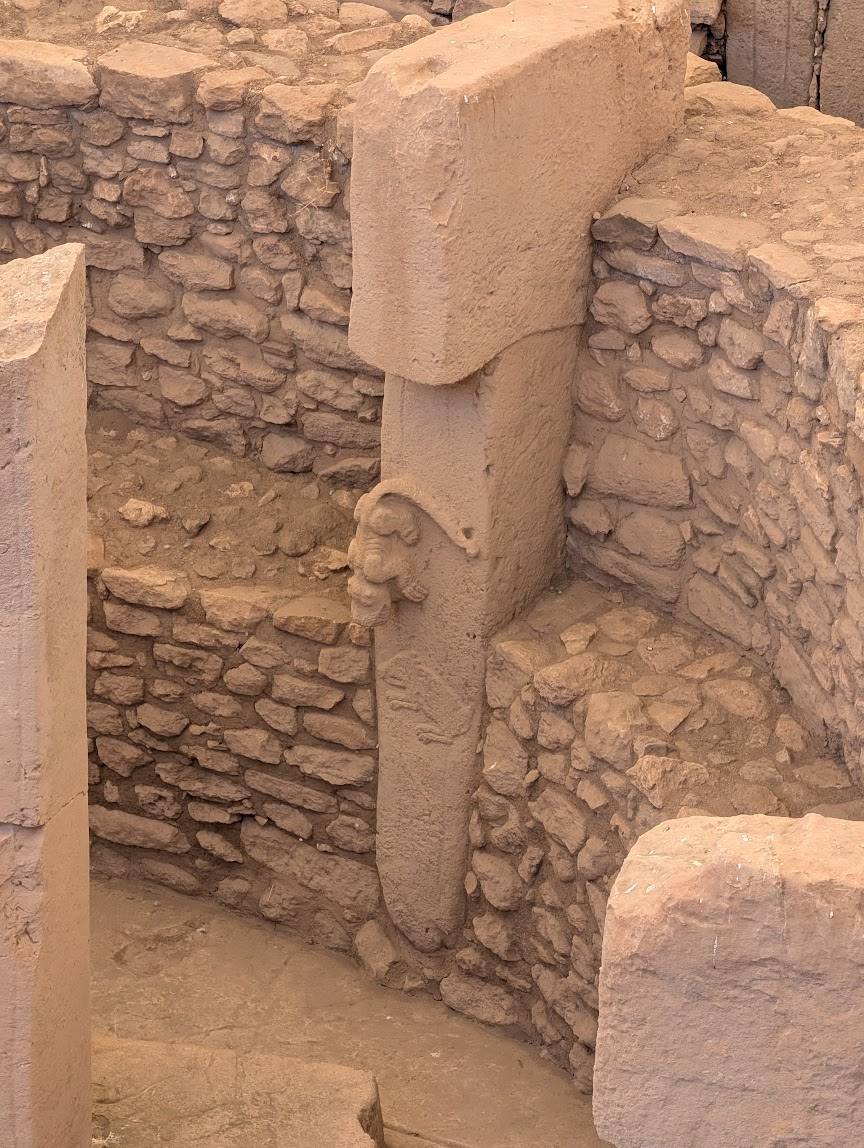
The evidence: Pillar 27, Enclosure C, Göbekli Tepe



Göbekli Tepe and the "Lost Civilization" Claims
Last reviewed Next review
We review and update every article weekly. When the record changes, so does the article. How we review
Hunter-gatherers in southeastern Turkey raised carved stone pillars about 11,500 years ago, before farming took hold.
Verdict: The site is real and very old, but the lost-civilization claims are not supported by the archaeology.
Sources German Archaeological Institute (DAI) Göbekli Tepe project; O. Dietrich et al., 'The role of cult and feasting in the emergence of Neolithic communities', Antiquity 86 (2012) 674, doi 10.1017/S0003598X00047840; Sweatman & Tsikritsis, Mediterranean Archaeology and Archaeometry (2017); UNESCO World Heritage listing (2018); Wikipedia
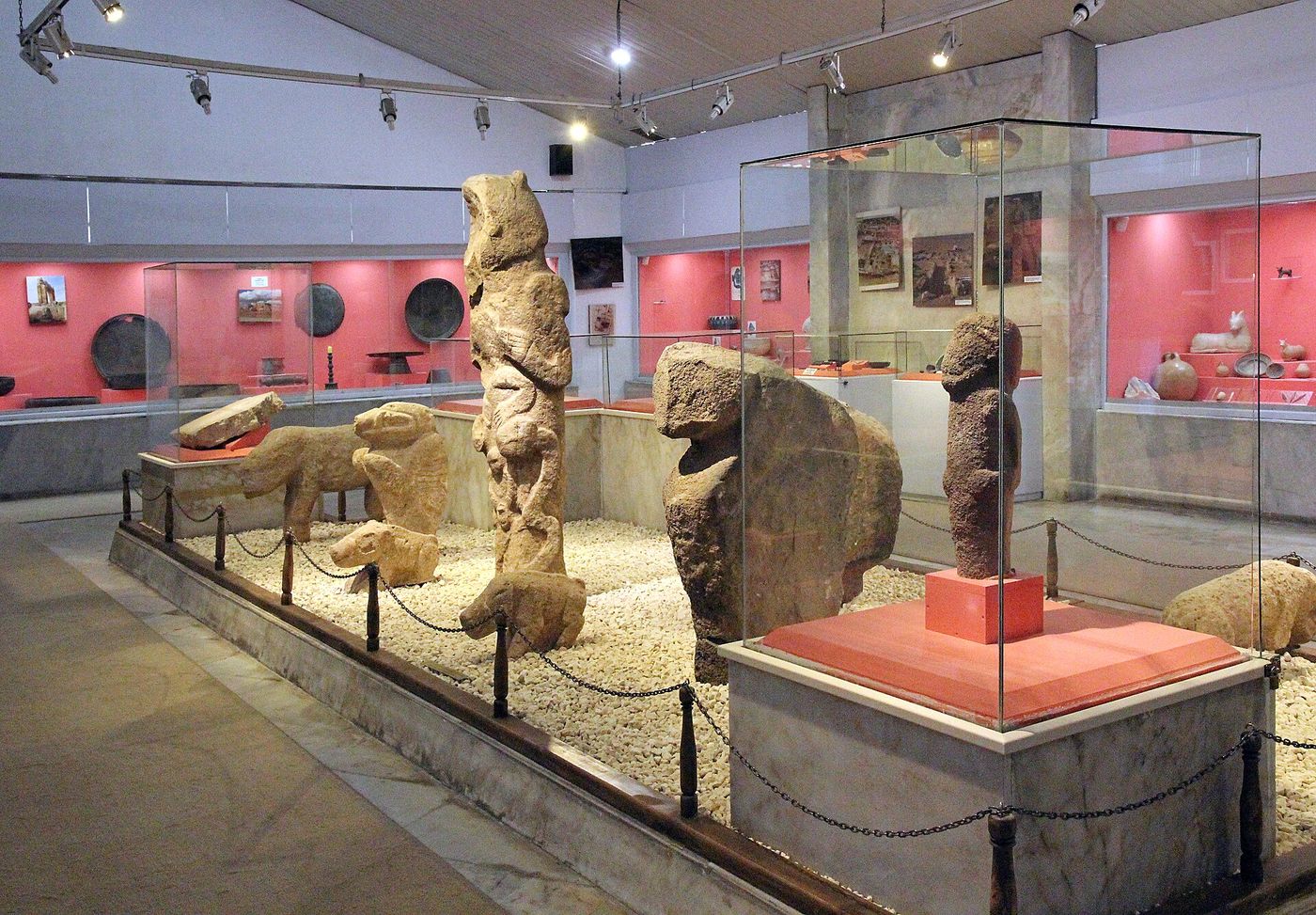
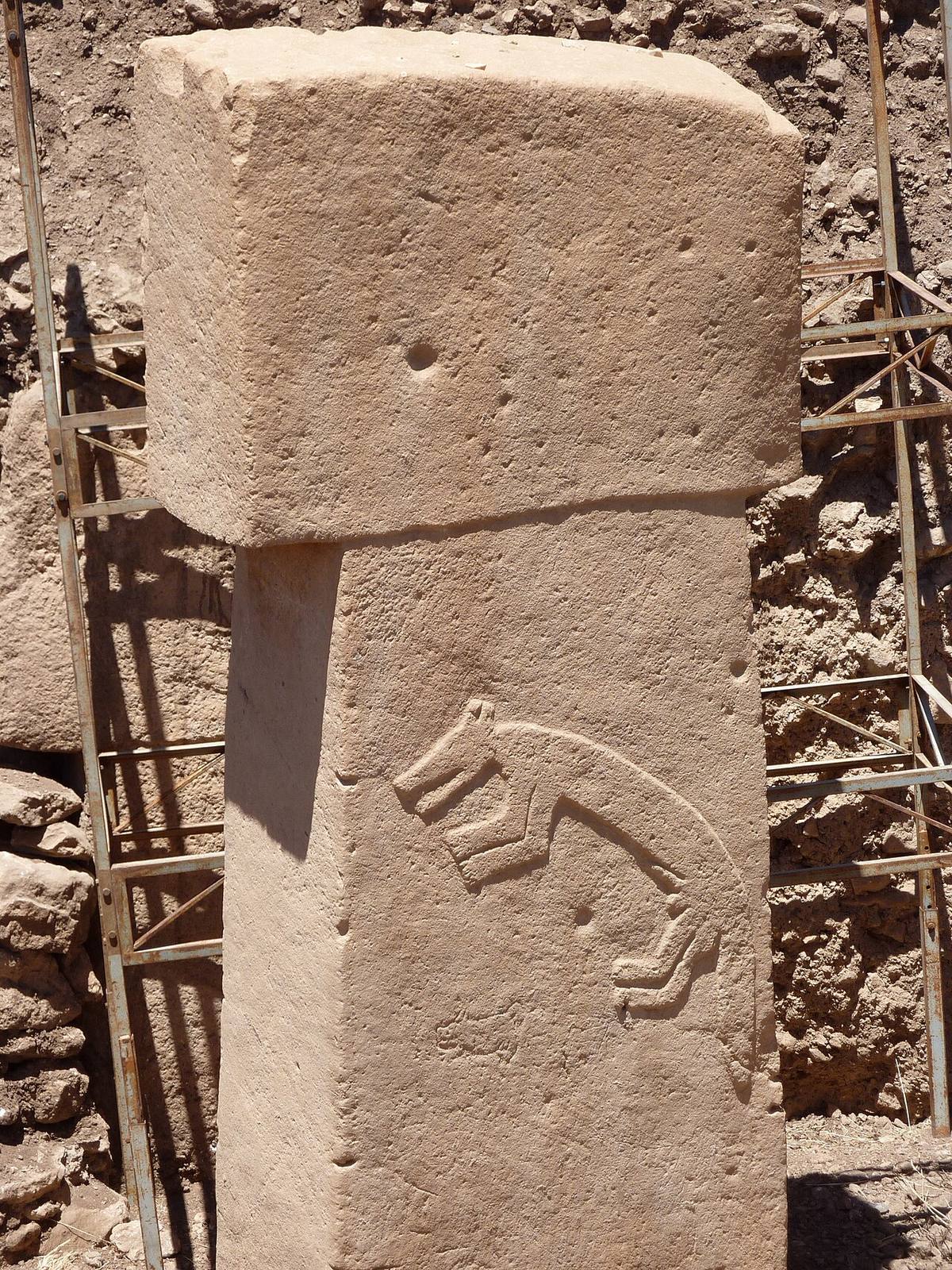
On a limestone ridge near Şanlıurfa in southeastern Turkey, German and Turkish archaeologists led from 1995 by Klaus Schmidt uncovered round enclosures of huge T-shaped stone pillars, some over 5 m tall, carved with foxes, boars, snakes, vultures and stylized human arms. Radiocarbon dates put the oldest phase at about 9500 BC, more than six thousand years before Stonehenge.
Why it matters
What surprised archaeologists was who built it: people who hunted and gathered, before farming villages were established in the region. Excavators have argued that gatherings and feasts there may have helped drive the shift to agriculture. In 2018 the site was inscribed on UNESCO’s World Heritage List.
The lost-civilization story
Writers on lost civilizations claim Göbekli Tepe as the work of survivors of an advanced Ice Age culture, and a 2017 paper read one pillar as a record of a comet strike. The excavators reply that the site shows stone tools, wild animal bones and plant remains: a remarkable achievement by Stone Age people, not the ruins of a lost high culture.
Sources
- Dietrich, O., et al. (2012), Antiquity 86, 674: doi:10.1017/S0003598X00047840
- UNESCO World Heritage, “Göbekli Tepe”: whc.unesco.org
- Wikipedia, “Göbekli Tepe”: en.wikipedia.org
Every image on this page is credited where it appears.
Verdict
Disputed The site is real and very old, but the lost-civilization claims are not supported by the archaeology.
Evidence ledger
Each claim in this file, the source it rests on, and how well it holds up: 2 corroborated · 1 disputed · 1 debunked. What the labels mean.
| Claim | Source | Type · date | Status |
|---|---|---|---|
| Göbekli Tepe has monumental T-shaped carved pillars dating to about 9500 BC. | DAI; Dietrich et al., Antiquity 2012 | scholarly · 2012 | corroborated |
| It was built by hunter-gatherers before the full adoption of farming. | DAI excavators | scholarly | corroborated |
| A pillar records a comet impact around 10,950 BC.The excavators and other archaeologists reject this reading. | Sweatman & Tsikritsis (2017) | scholarly · 2017 | disputed |
| The site was built by a lost advanced civilization.No evidence of metals, writing or agriculture-scale technology at the site. | Popular authors | secondary | debunked |
Update log
-
We added this case file.
-
Weekly re-check of sources; no change to the record since filing. Next check November 23, 2026.
Discussion
Discuss this case on the on-site Community board — no GitHub account required. Prefer a private tip for the editorial team? Submit a Sighting.
House rules: Community guidelines.