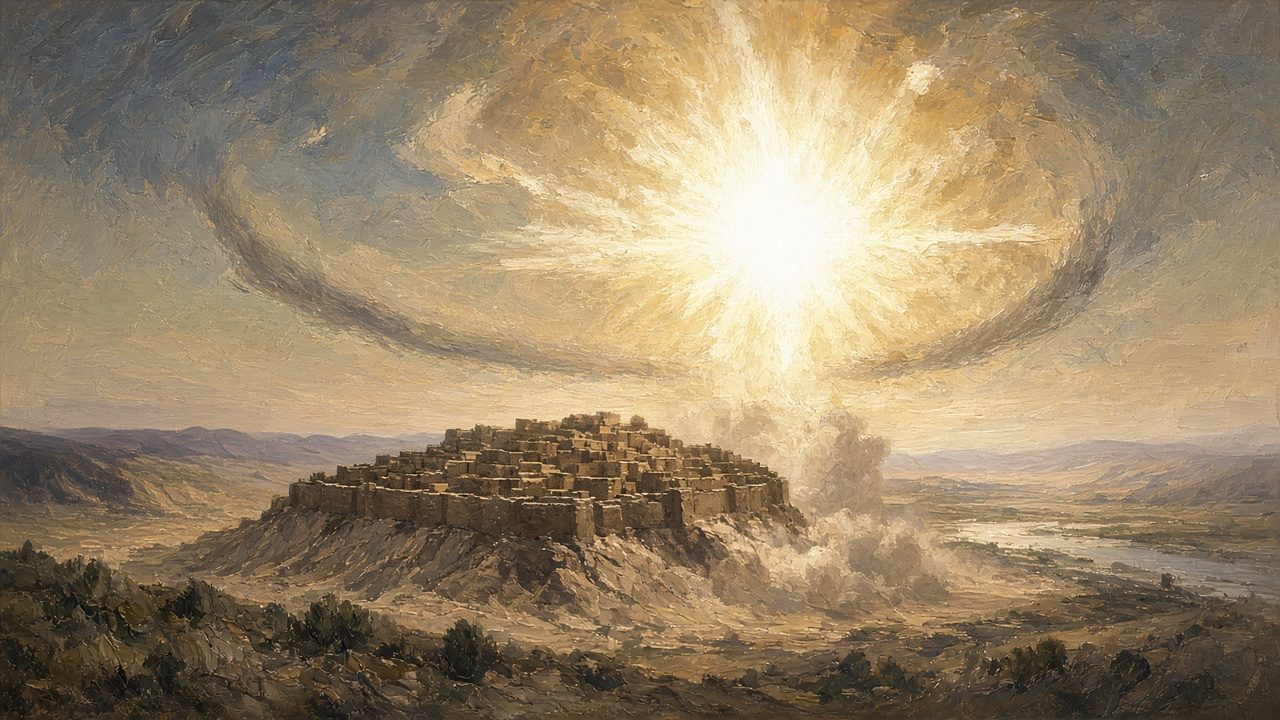


No original photo or video of this event is known.
Tall el-Hammam: The "Sodom" Airburst Paper That Was Retracted
Last reviewed Next review
We review and update every article weekly. When the record changes, so does the article. How we review
In 2021 a team argued in Scientific Reports that a cosmic airburst destroyed a Bronze Age city in the Jordan Valley, possibly inspiring the story of Sodom.
Verdict: The city's destruction is real, but the main airburst paper was retracted.
Sources T. E. Bunch et al., Scientific Reports 11 (2021) 18632, doi 10.1038/s41598-021-97778-3 (retracted); Retraction Note, Sci. Rep. (24 Apr 2025), doi 10.1038/s41598-025-99265-5; M. Boslough & A. Bruno, Sci. Rep. 15 (2025) 13869, doi 10.1038/s41598-025-98362-9
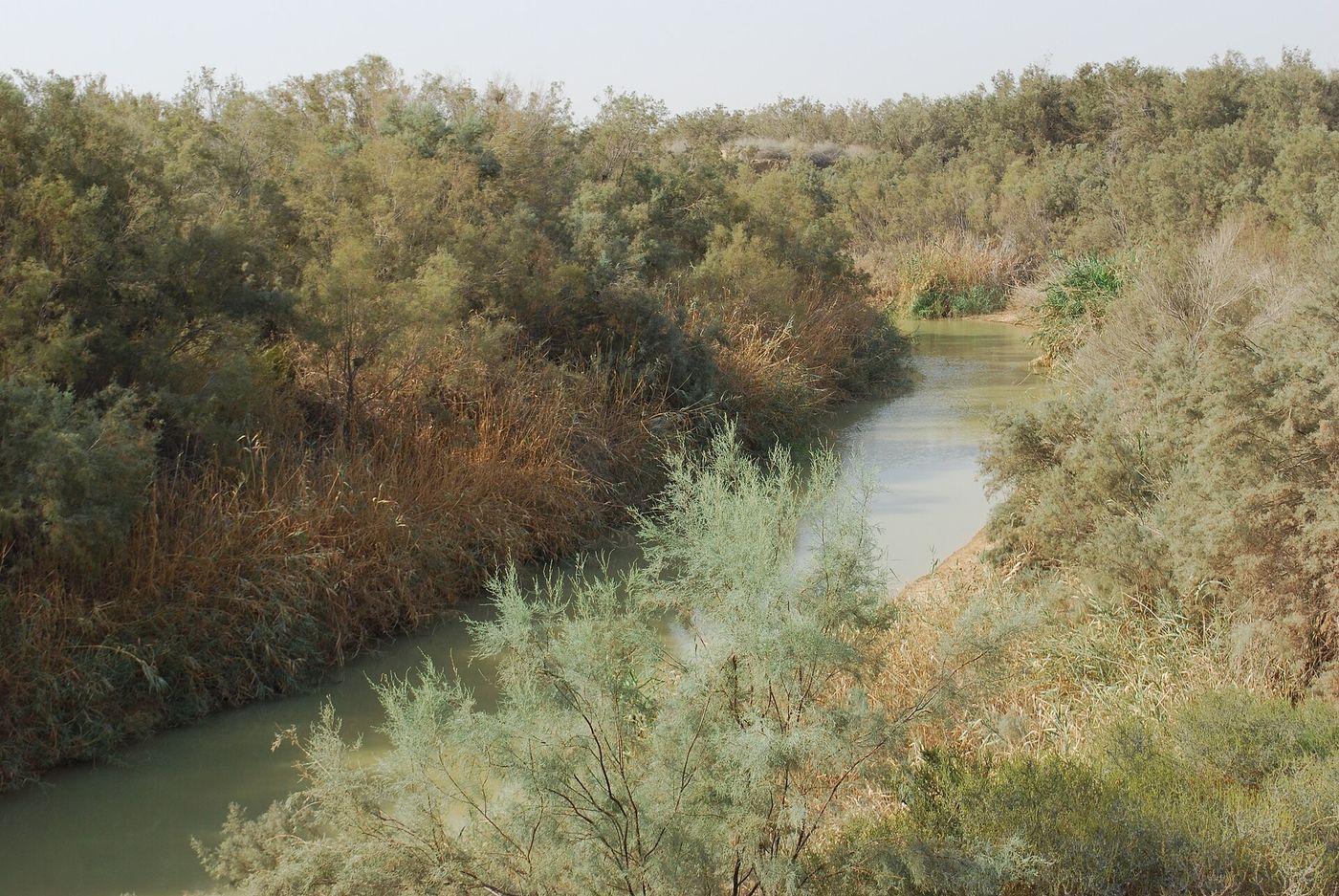
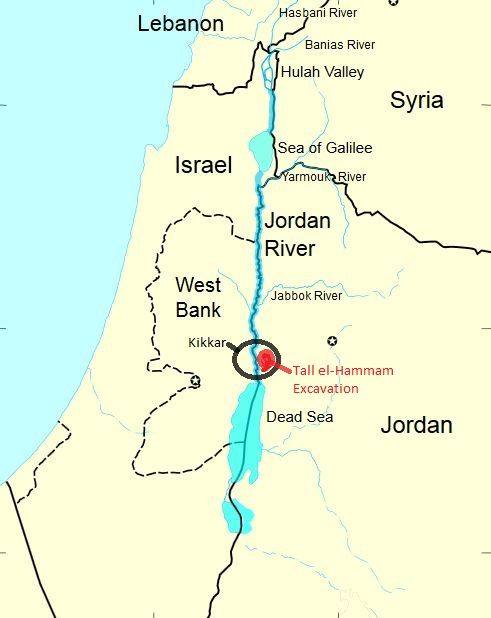
Tall el-Hammam is a large mound in Jordan’s southern Jordan Valley, excavated since 2005, that was a major fortified city in the Middle Bronze Age before being destroyed and abandoned around 1650 BC. Its excavation director has argued it was the biblical Sodom.
The airburst paper
In September 2021 a team led by Ted Bunch published in Scientific Reports a paper arguing that the destruction layer, with melted pottery, shocked quartz and tiny spherules, showed that a cosmic airburst larger than Tunguska had flattened the city. The press loved it: “Sodom destroyed by a space rock.”
The unraveling
Critics, including impact scientist Mark Boslough, argued the paper misread its mineral evidence and exaggerated what a Tunguska-sized blast could do at ground level. The journal issued corrections in 2022 and 2023, and on 24 April 2025 retracted the paper, saying the editors no longer had confidence in its conclusions. Several authors said they disagreed.
Sources
- Retraction Note, Scientific Reports (24 Apr 2025): doi:10.1038/s41598-025-99265-5
- Bunch, T. E., et al. (2021), Scientific Reports 11, 18632 (retracted): nature.com
- Boslough, M. & Bruno, A. (2025), Scientific Reports 15, 13869: doi:10.1038/s41598-025-98362-9
Every image on this page is credited where it appears.
Weighing it
The city’s destruction is real; the airburst claim lost its main publication.
Verdict
Disputed The city's destruction is real, but the main airburst paper was retracted.
Evidence ledger
Each claim in this file, the source it rests on, and how well it holds up: 3 corroborated · 1 disputed · 1 unverified. What the labels mean.
| Claim | Source | Type · date | Status |
|---|---|---|---|
| Tall el-Hammam was a large Middle Bronze Age city northeast of the Dead Sea, destroyed around 1650 BC. | Bunch et al. (2021); excavators | scholarly · 2021 | corroborated |
| A Tunguska-sized airburst destroyed the city.Retracted 2025. | Bunch et al., Sci. Rep. 2021 | scholarly · 2021 | disputed |
| Critics found errors in the mineral and geochemical analyses and in the Tunguska comparisons. | Jaret & Harris; Boslough & Bruno (2025) | scholarly · 2025 | corroborated |
| Scientific Reports retracted the paper; several authors disagree with the retraction. | Retraction Note, 24 Apr 2025 | scholarly · 2025 | corroborated |
| The site is biblical Sodom. | Excavation director's proposal | secondary | unverified |
Update log
-
We added this case file.
-
Weekly re-check of sources; no change to the record since filing. Next check November 23, 2026.
Discussion
Discuss this case on the on-site Community board — no GitHub account required. Prefer a private tip for the editorial team? Submit a Sighting.
House rules: Community guidelines.