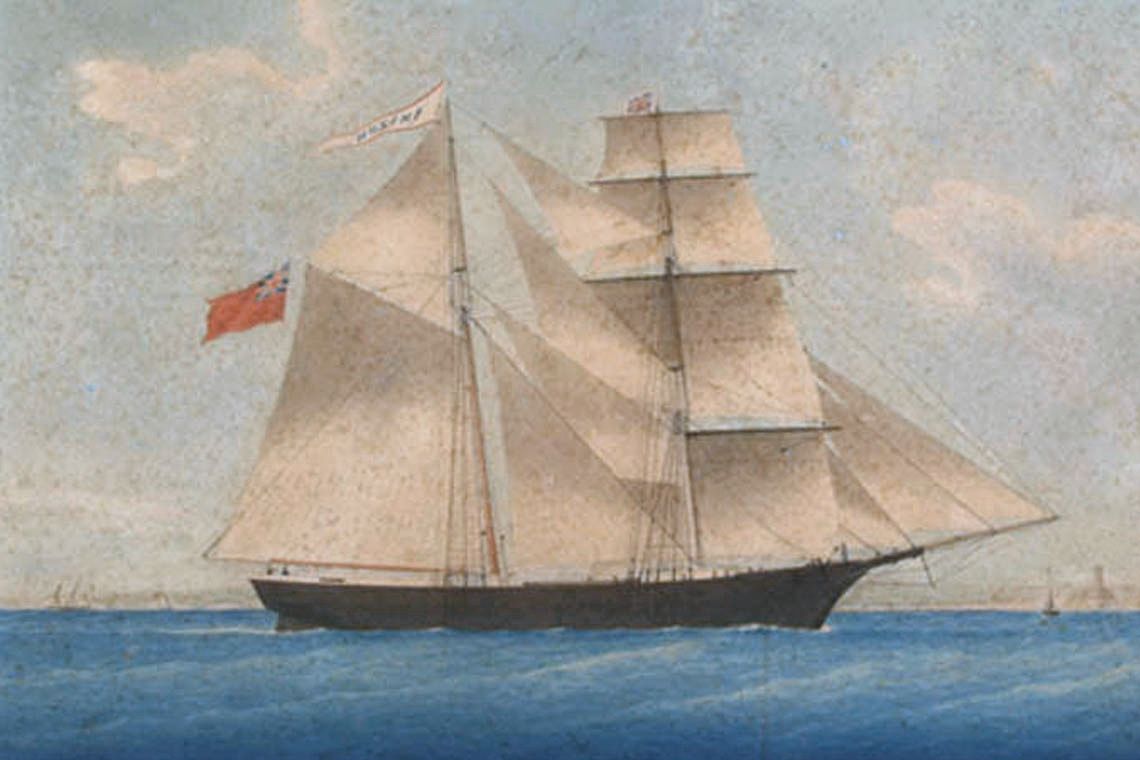
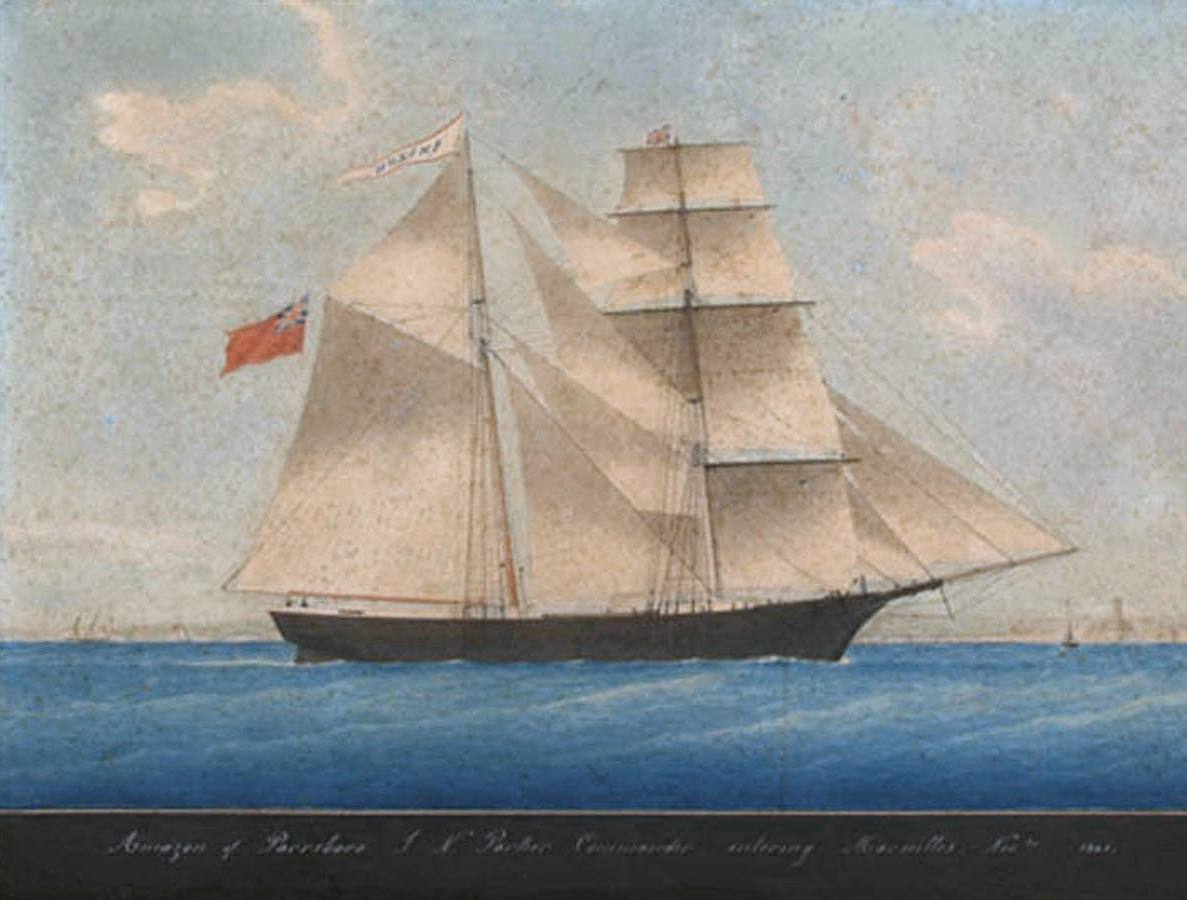
The evidence: Painting of the ship (then named Amazon), 1861



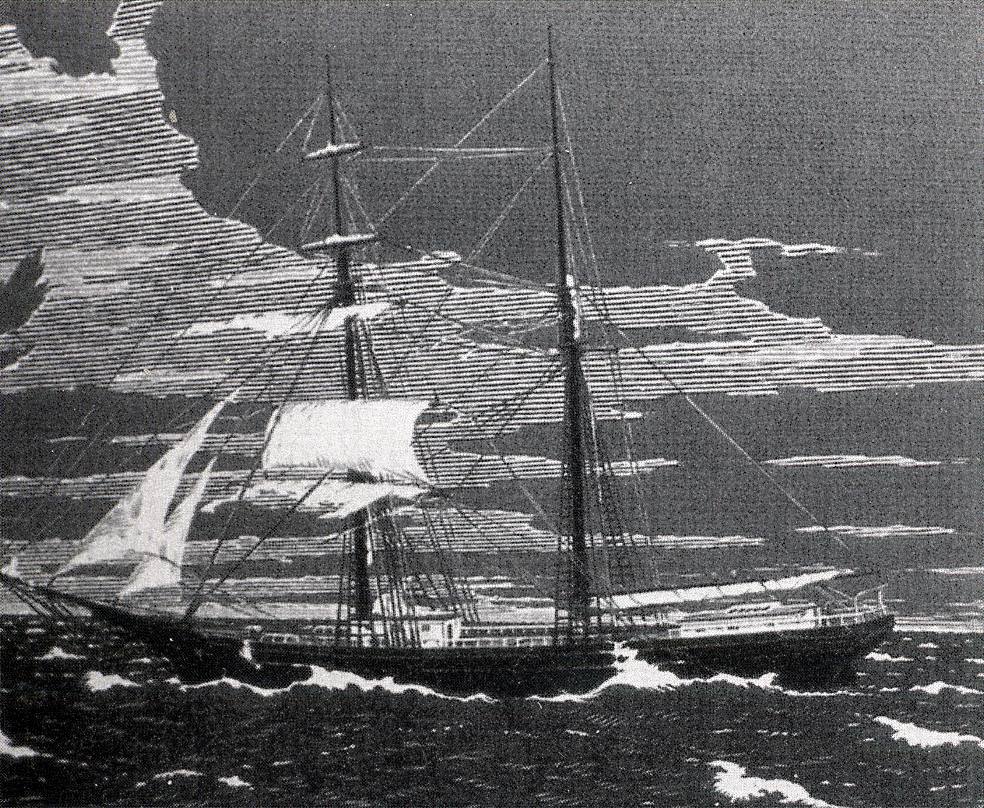

Mary Celeste, December 1872: The Ship Found Sailing With No One Aboard
Last reviewed Next review
We review and update every article weekly. When the record changes, so does the article. How we review
A Nova Scotia-built brigantine was found drifting between the Azores and Portugal, seaworthy, with its cargo intact and its crew of ten gone.
Verdict: The crew abandoned a seaworthy ship, and why they left has never been settled.
Sources Smithsonian Magazine, 'Abandoned Ship: The Mary Celeste'; Encyclopaedia Britannica, 'Mary Celeste'; Wikipedia, 'Mary Celeste'
The Mary Celeste was built at Spencers Island, Nova Scotia, in 1861 as the Amazon, then sold, renamed and registered in the United States. On 7 November 1872 she left New York for Genoa under Captain Benjamin Briggs, with his wife, their two-year-old daughter and seven crew, carrying 1,701 barrels of industrial alcohol.
The discovery
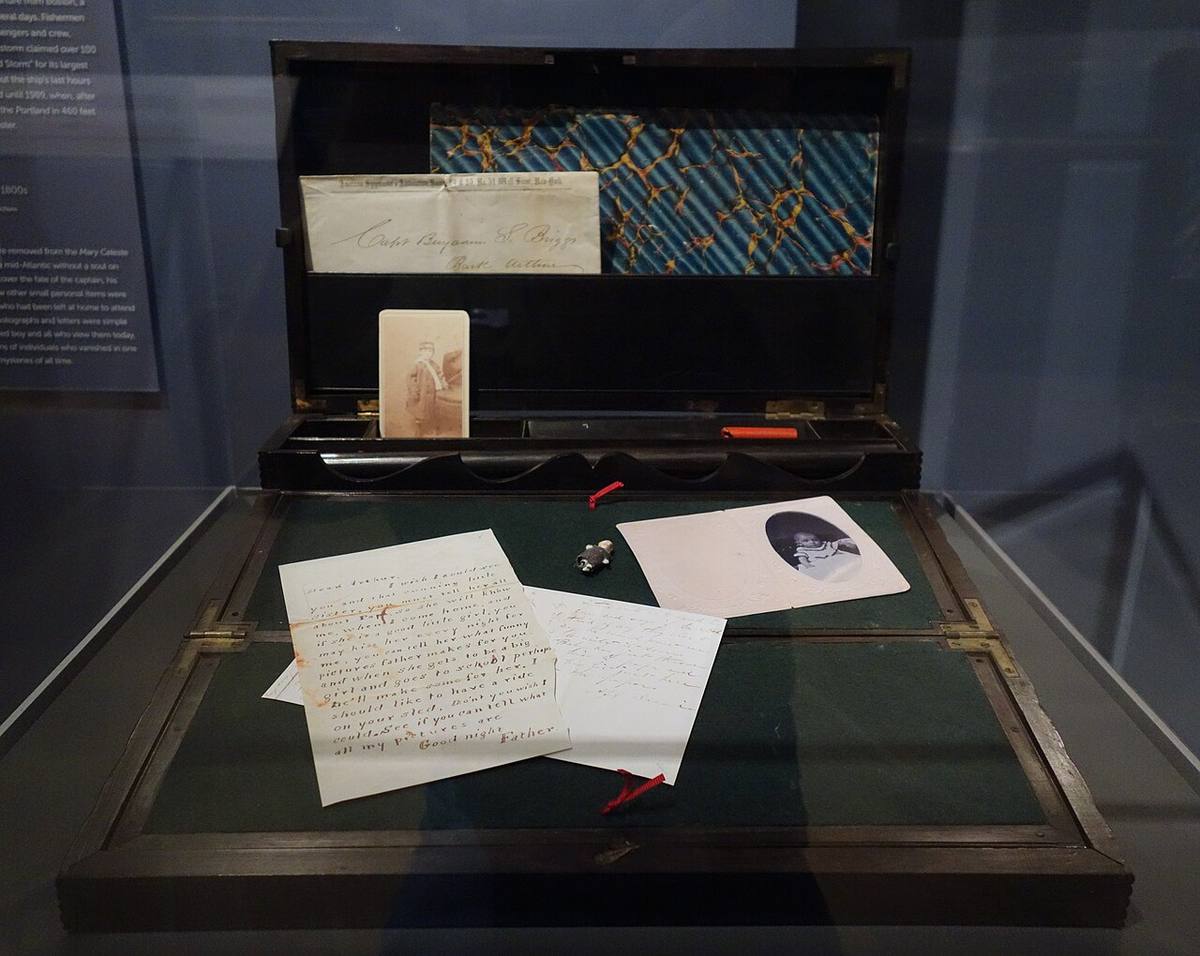
On 4 December (5 December by the ship’s sea reckoning) the British brigantine Dei Gratia, which had left New York a week later, found her drifting between the Azores and Portugal. A boarding party found her sound, with six months’ food and water, personal belongings untouched, and the cargo nearly intact. The lifeboat was gone, and the last log entry was ten days old.
The inquiry and the theories
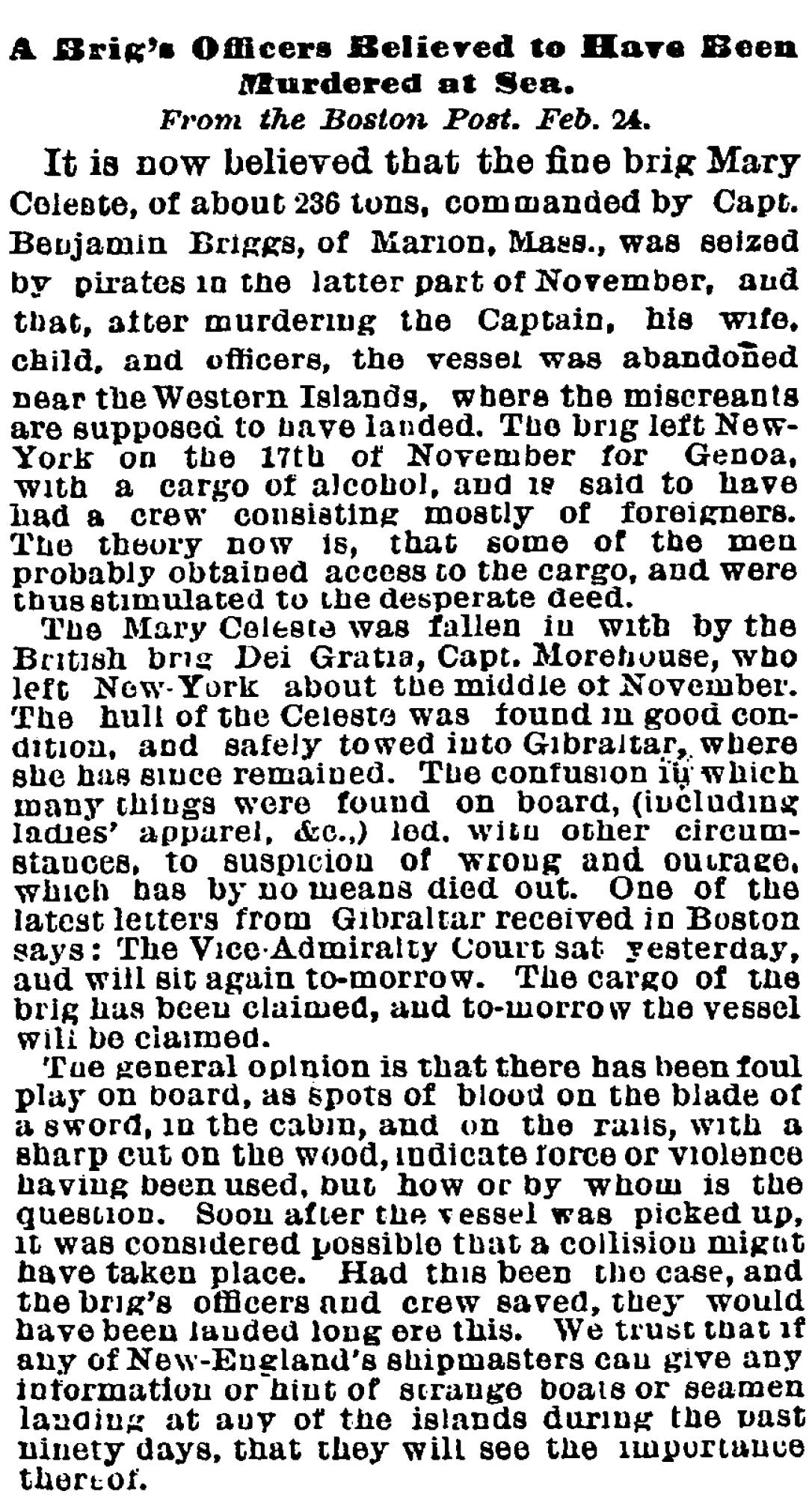
At salvage hearings in Gibraltar the British official suspected foul play, but none was found, and the Dei Gratia crew were paid a reduced award. Popular theories have included mutiny, pirates, waterspouts and sea monsters. Historians favor a hurried abandonment: fumes from leaking barrels, a jammed pump or a false reading of water in the hold may have convinced Briggs to take to the boat, which was then lost. Arthur Conan Doyle’s 1884 short story, pure fiction, made the case world-famous.
Sources
- Encyclopaedia Britannica, “Mary Celeste”: britannica.com
- Smithsonian Magazine, “Abandoned Ship: The Mary Celeste”: smithsonianmag.com
- Wikipedia, “Mary Celeste”: en.wikipedia.org
Every image on this page is credited where it appears.
Further reading (not yet re-checked)
These items are not cited for any claim on this page. We have not read them in this review.
- New York Times, 25 March 1873: timesmachine.nytimes.com (PDF)
- Gibraltar Chronicle, 30 Jan 1873, reprinted as “A Mystery of the Sea,” New Zealand Mail, 7 Jun 1873: Papers Past
Verdict
Open The crew abandoned a seaworthy ship, and why they left has never been settled.
Evidence ledger
Each claim in this file, the source it rests on, and how well it holds up: 3 corroborated · 1 disputed · 1 debunked. What the labels mean.
| Claim | Source | Type · date | Status |
|---|---|---|---|
| The British brigantine Dei Gratia found Mary Celeste adrift and abandoned on 4 Dec 1872 (5 Dec by sea reckoning).Wikipedia gives 4 Dec land time (5 Dec sea time); Smithsonian and Britannica give 5 Dec. We have not read the New Zealand Mail reprint (Papers Past blocks automated reads) or the 1873 NYT page (paywalled); both are listed as further reading. | Wikipedia; Smithsonian; Britannica | period press · 1873 | corroborated |
| The ship was seaworthy, provisioned and its cargo of alcohol largely intact; the lifeboat was missing. | Gibraltar hearings; Smithsonian | press | corroborated |
| No one aboard (Captain Briggs, his wife, daughter and seven crew) was ever found. | Wikipedia; Smithsonian | secondary | corroborated |
| The crew abandoned ship in fear of an explosion or sinking. | Leading historical theory | secondary | disputed |
| Arthur Conan Doyle's story records the facts.His 1884 story was fiction and spread errors such as the name 'Marie Celeste'. | Popular belief | secondary · 1884 | debunked |
Update log
-
We added this case file.
-
We called Dei Gratia Canadian and gave 4 Dec 1872 with no qualifier. The 1873 Gibraltar record, Smithsonian and Britannica all call her British, and the ship's report gives 5 Dec in sea reckoning, which ran 12 hours ahead of land time. The case now says British and 4 Dec 1872 (5 Dec by sea reckoning). We found no registry document, so we make no claim about where she was built or registered.
Sources Gibraltar Chronicle, 30 Jan 1873, via New Zealand Mail, 7 Jun 1873: https://paperspast.natlib.govt.nz/newspapers/NZMAIL18730607.2.23 · Smithsonian Magazine: https://www.smithsonianmag.com/history/abandoned-ship-the-mary-celeste-174488104/ · Britannica: https://www.britannica.com/topic/Mary-Celeste
-
We re-sourced the discovery date to Wikipedia, Smithsonian and Britannica, which we have read. The New Zealand Mail reprint and the 1873 New York Times page could not be read and are now further reading only.
Sources https://en.wikipedia.org/wiki/Mary_Celeste · https://www.smithsonianmag.com/history/abandoned-ship-the-mary-celeste-174488104/ · https://www.britannica.com/topic/Mary-Celeste
-
Source review: we moved items we have not read out of Sources into a separate 'Further reading (not yet re-checked)' list. No claim on this page now cites them.
Sources
-
Weekly re-check of sources; no newer change to the record. Next check November 23, 2026.
Discussion
Discuss this case on the on-site Community board — no GitHub account required. Prefer a private tip for the editorial team? Submit a Sighting.
House rules: Community guidelines.