SAOCOM 1A: The 'Ghostlike' Streak Over Phoenix Was a Rocket (and Its Booster Coming Home)
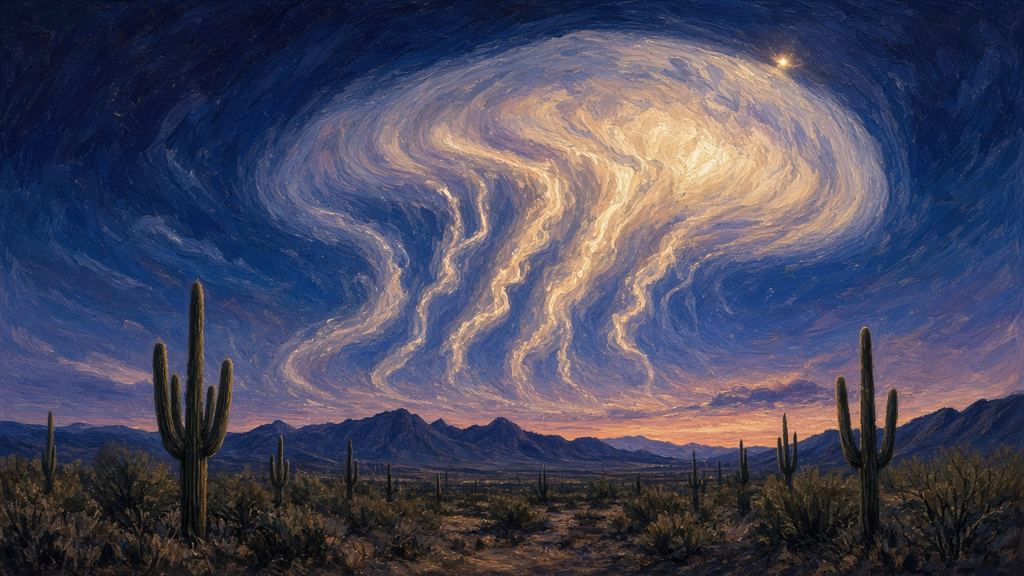
At 7:21 p.m. on October 7, 2018, people across metro Phoenix photographed a strange glowing streak in the western sky.
34 case files, newest first.
At 7:21 p.m. on October 7, 2018, people across metro Phoenix photographed a strange glowing streak in the western sky.
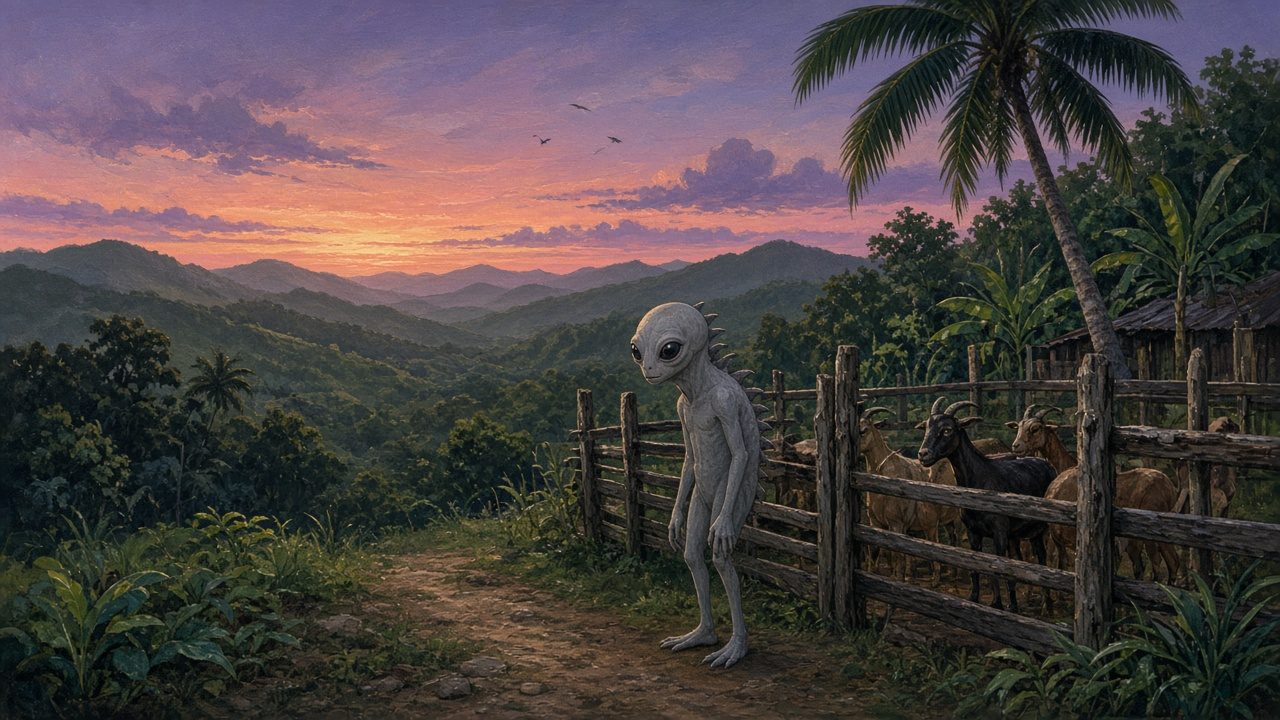
In 1995 Puerto Rican farmers found livestock dead with puncture wounds, and a witness described a spiny, big-eyed creature.
In the Brazilian Amazon, rubber tappers and riverside communities tell of the mapinguari, a huge, foul-smelling, shaggy creature.
Since at least the 1930s, and in a burst in the early 1980s, people in the Hessdalen valley of central Norway have seen lights that hover, drift and flare.
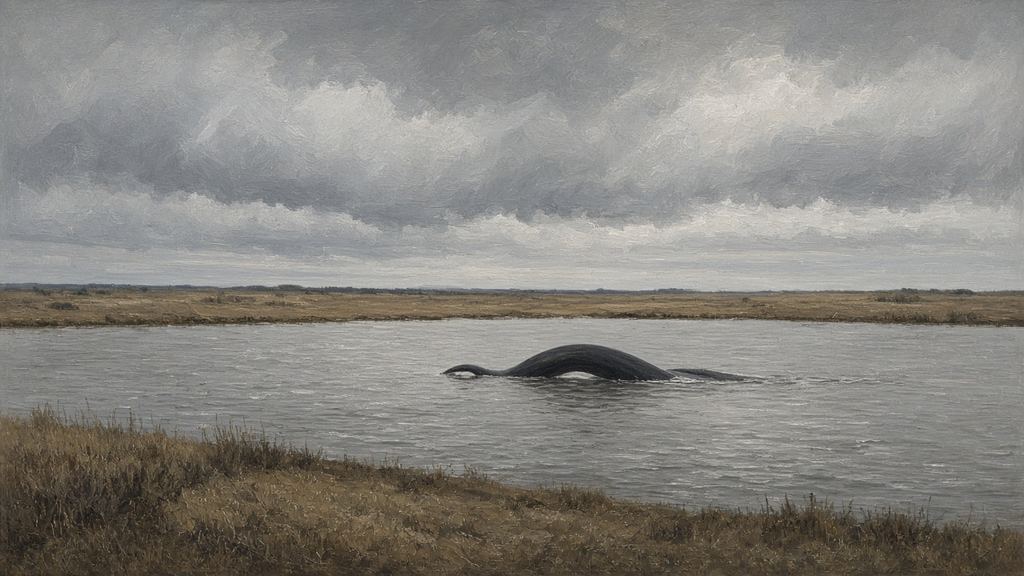
Named in 1960 to rhyme with Ogopogo, Manipogo is the lake monster of Lake Manitoba.
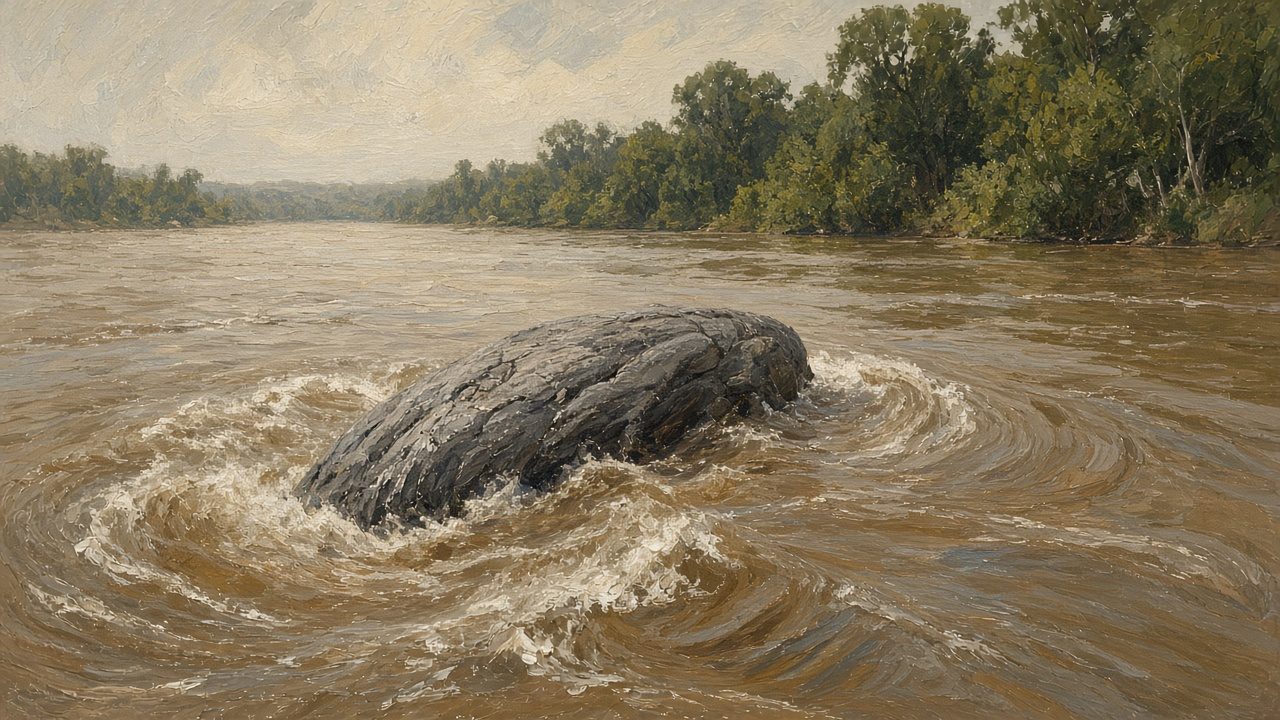
In July 1937 something huge kept surfacing in an eddy of the White River below Newport.
Since the 1930s, people around Victoria, British Columbia, have reported a long, horse-headed sea serpent called 'Caddy'.
'Sasquatch' comes from a Halq'eméylem word for a hairy wild being, popularized by a schoolteacher in Harrison Hot Springs in the 1920s.
British Columbia's Okanagan Lake has a resident monster with a music-hall name.
A colonial-era birth legend, a 1909 newspaper panic, and a cryptid that thrives on retelling across the pines.
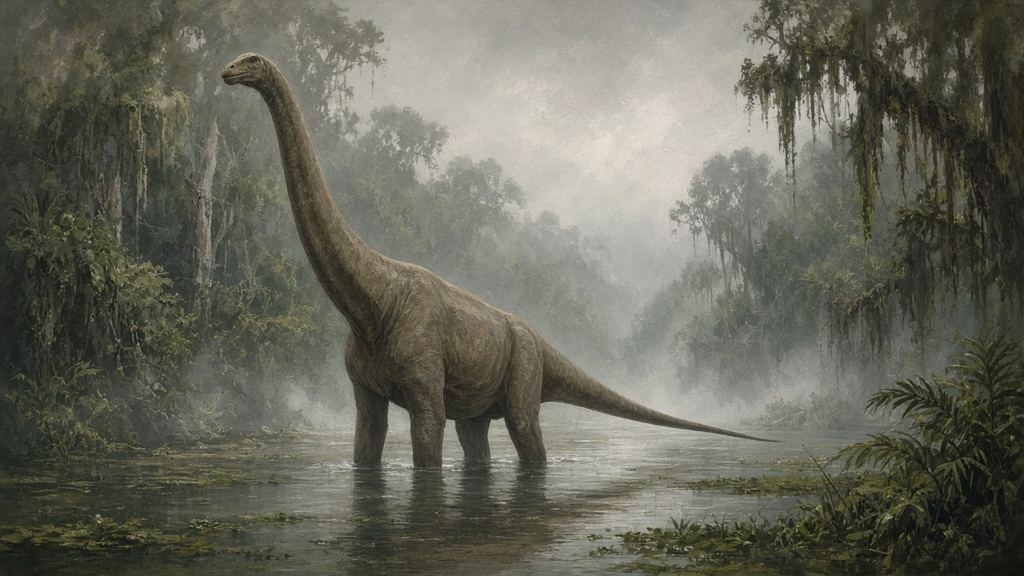
For a century, missionaries and adventurers have looked in the swamps of the northern Republic of the Congo for an animal described as a living sauropod.
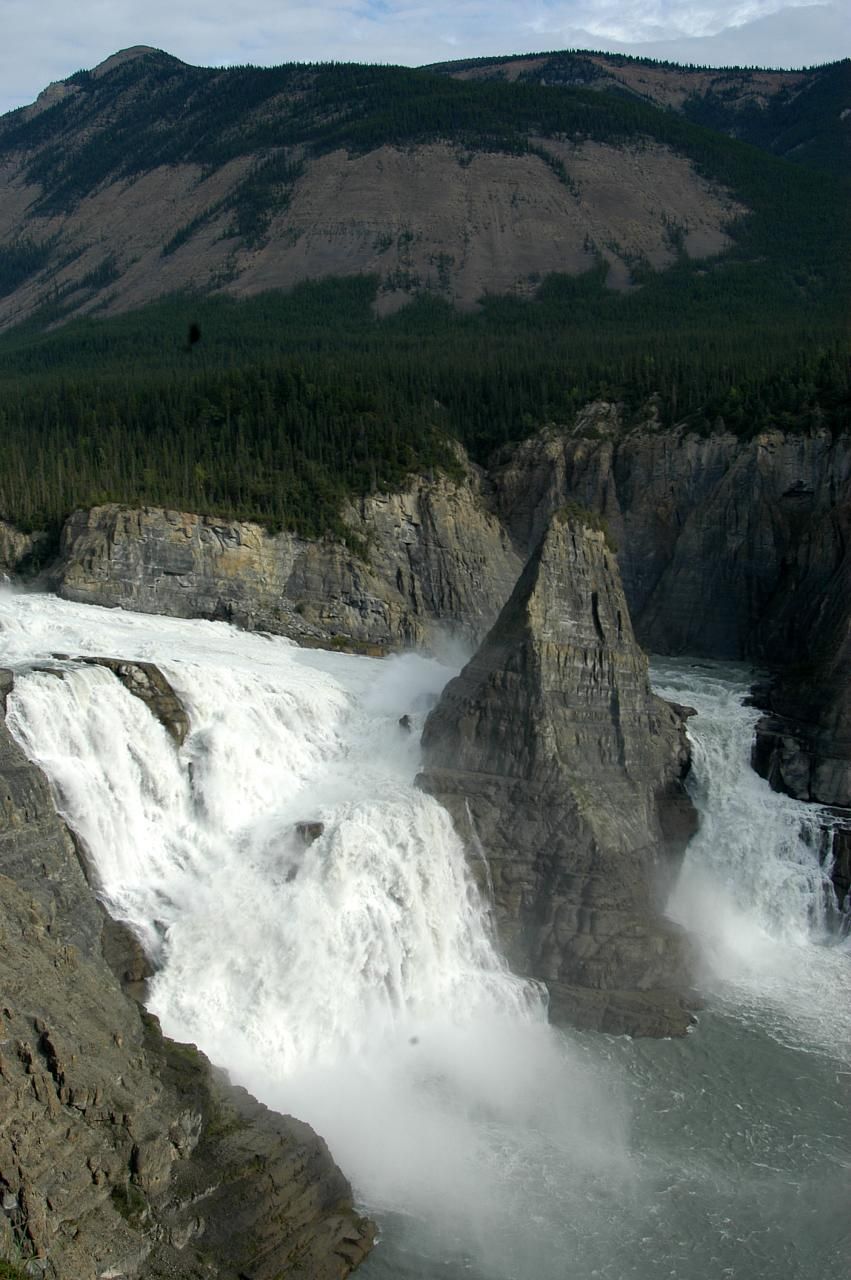
In 1908 two prospectors, the McLeod brothers, were found dead along the South Nahanni River, their heads reportedly missing.
In the winter of 1905, Christchurch papers reported a masked man in a luminous coat frightening women at night.
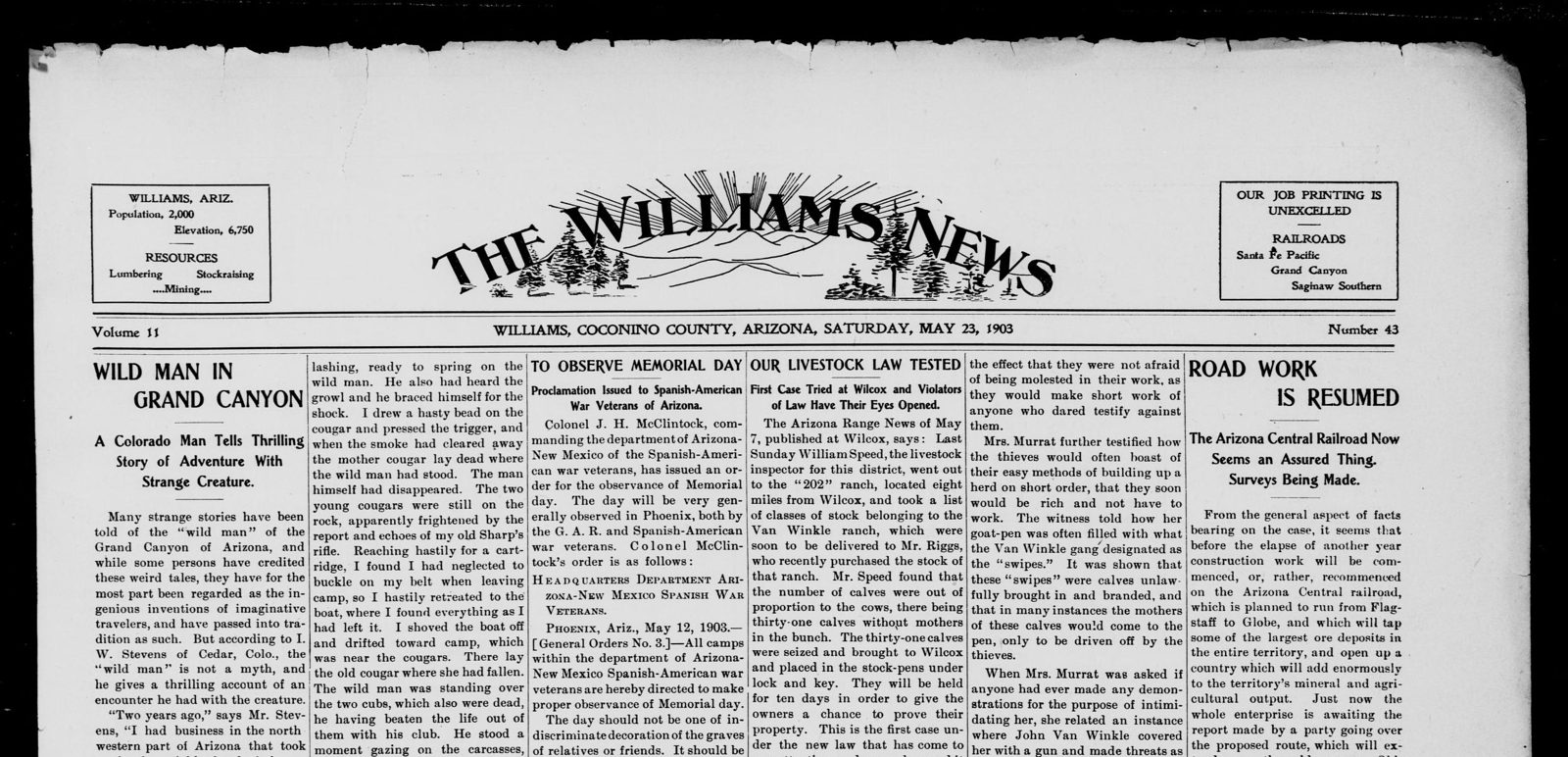
Arizona's Bigfoot lore is often traced to a 1903 Williams News front page.
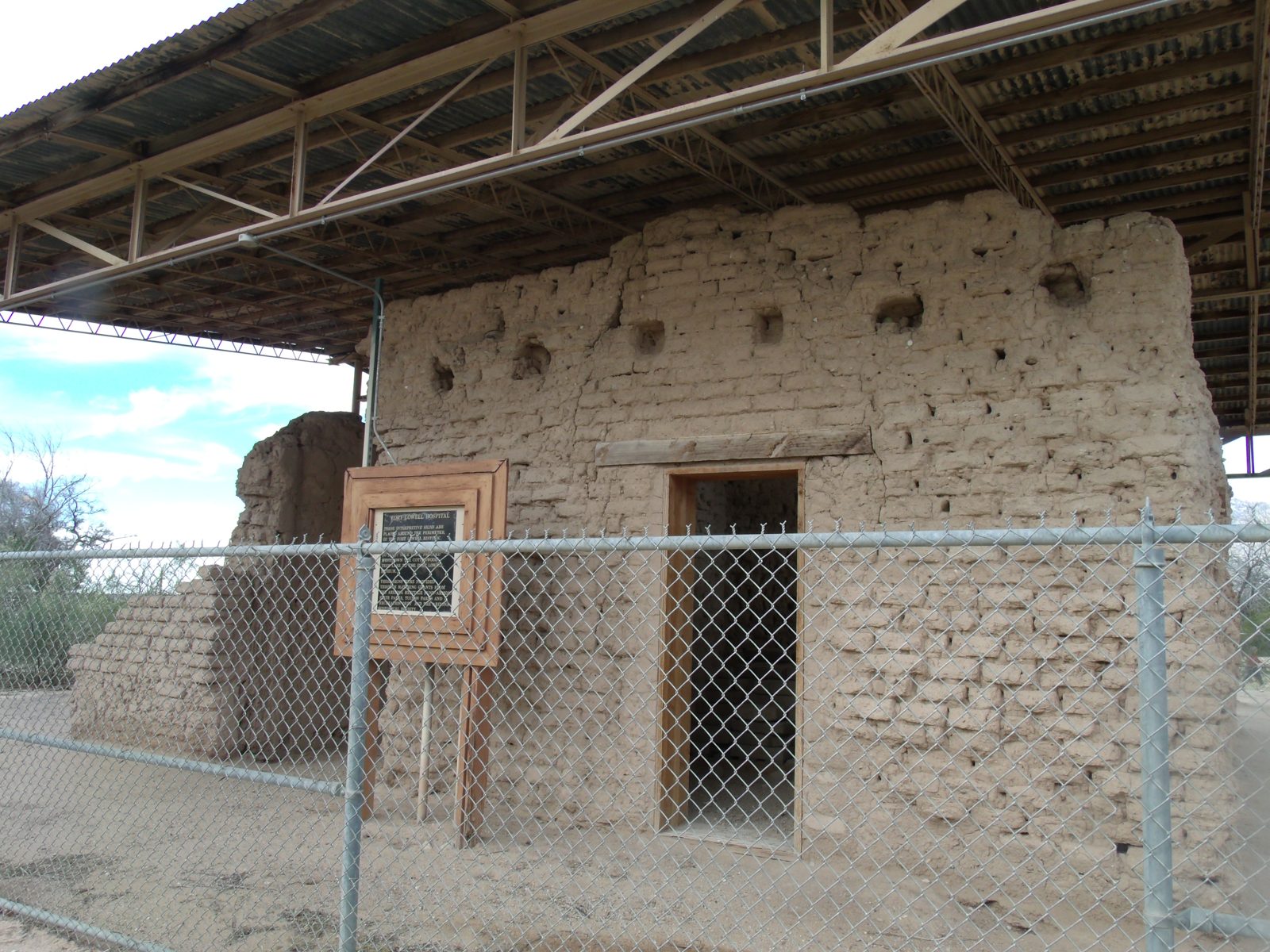
In 1900 families in Tucson's abandoned Fort Lowell said a figure in a soldier's uniform walked out of the walls at night.
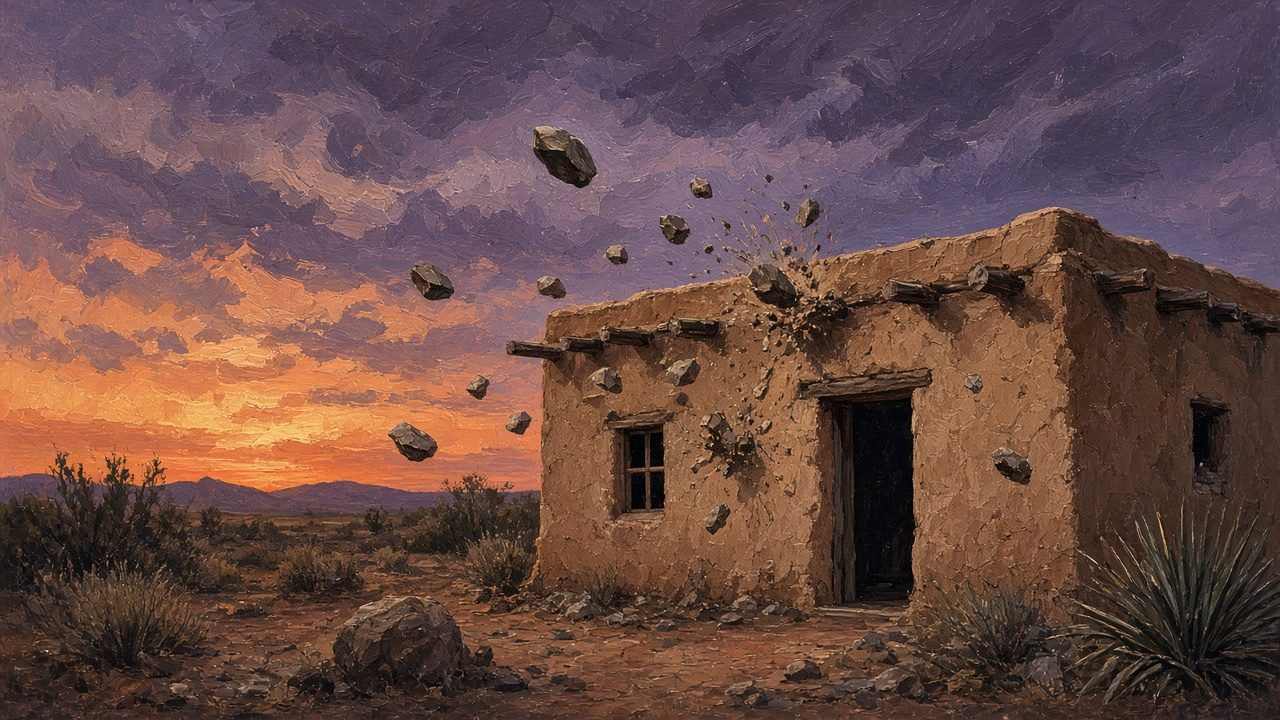
In September 1898, an elderly woman on the east side of Phoenix asked the county for protection from someone pelting her home with stones.
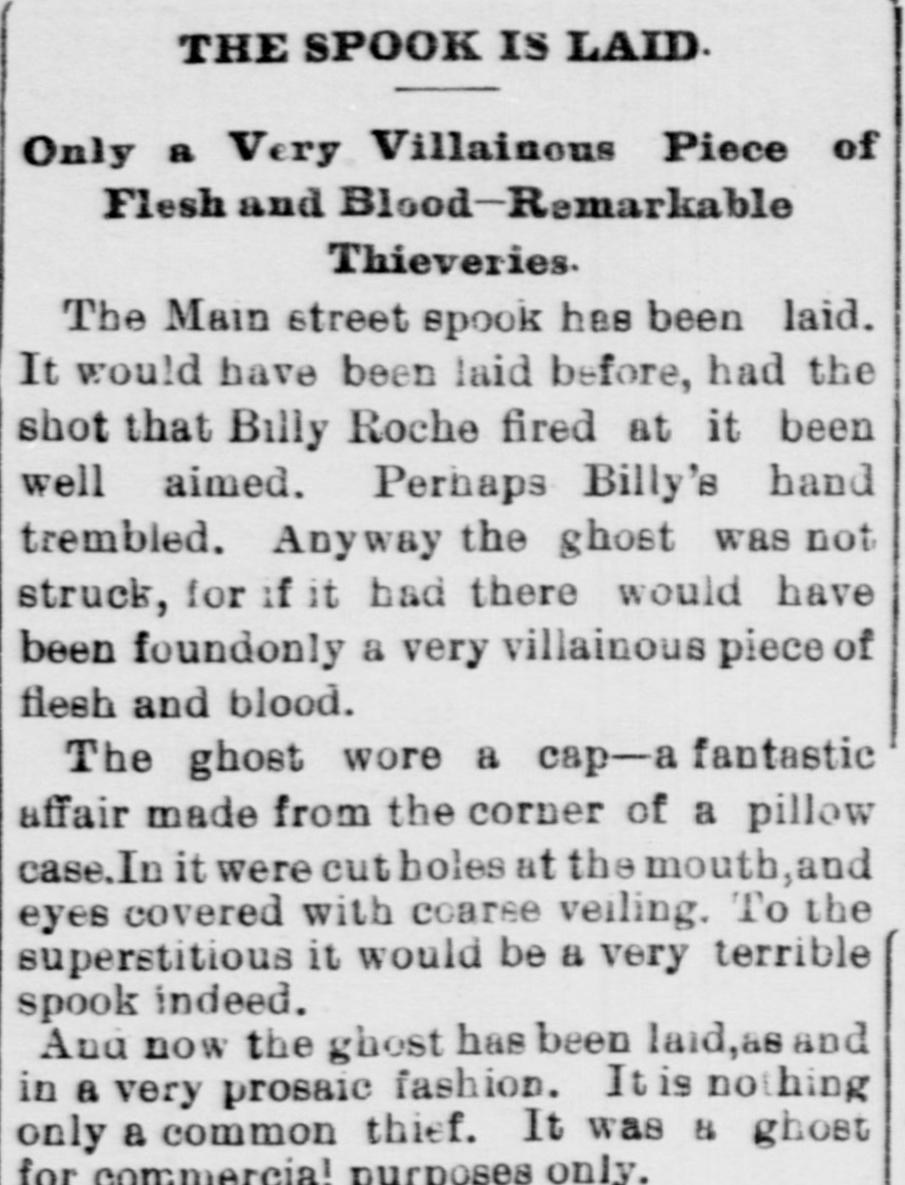
For a month in the autumn of 1894, people on South Main Street in Tucson reported a night prowler that changed shape: a dog, a hog, a burro, a man on all fours.
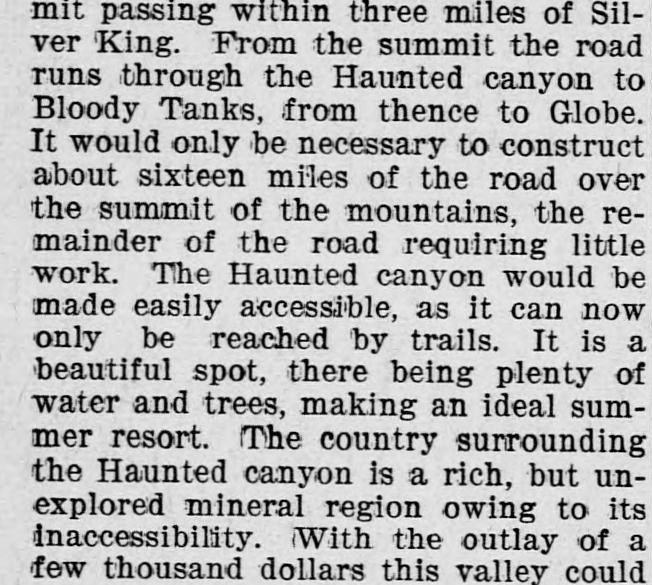
Haunted Canyon, in the mountains between Superior and Globe, is said to have been named by a prospector who sat out a terrifying monsoon there in 1891.
For about a decade, frontier Arizona told stories of a huge red animal carrying a corpse.
Not an anomaly: how Halloween arrived in territorial Arizona, from a puzzled 1885 Yuma paper to haunted houses in 1910.
Arizona's Rim country has its own hairy giant. We trace how far back it appears in print, and it isn't far.
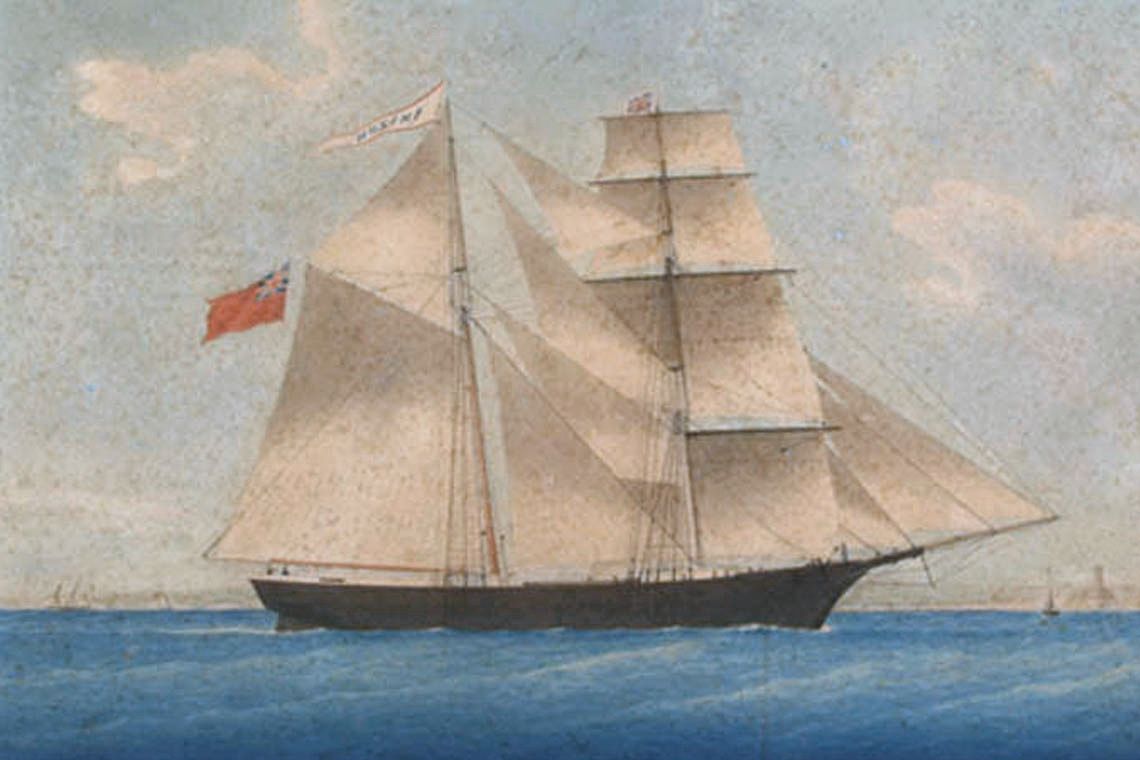
A Nova Scotia-built brigantine was found drifting between the Azores and Portugal, seaworthy, with its cargo intact and its crew of ten gone.
New Brunswick lumbermen said a murdered cook's ghost whooped in the woods at night until a priest laid it to rest.
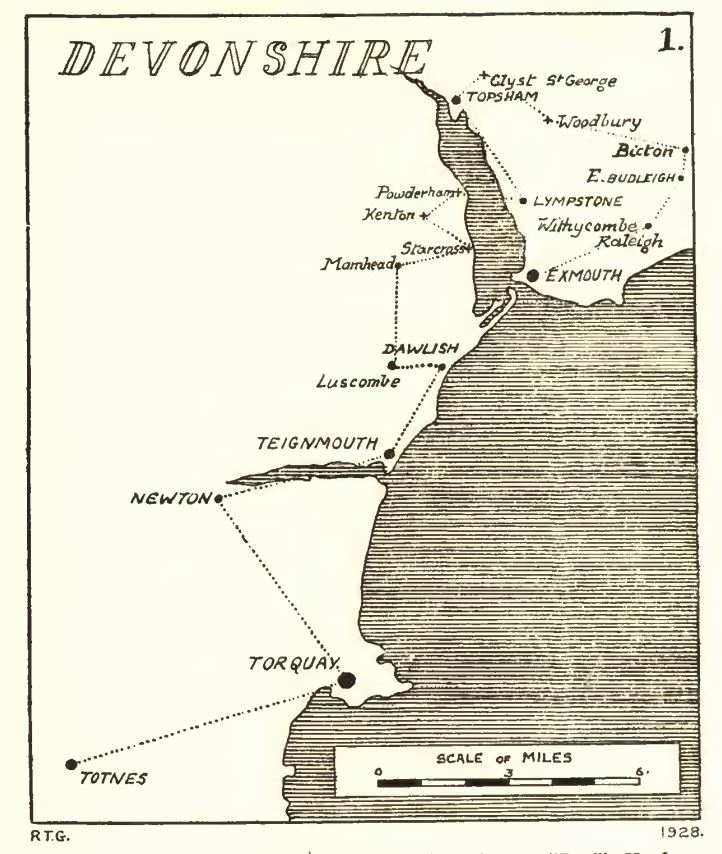
After a snowy night in February 1855, Devon villages woke to lines of hoof-shaped prints over walls and roofs. We read the letters and papers of that winter.
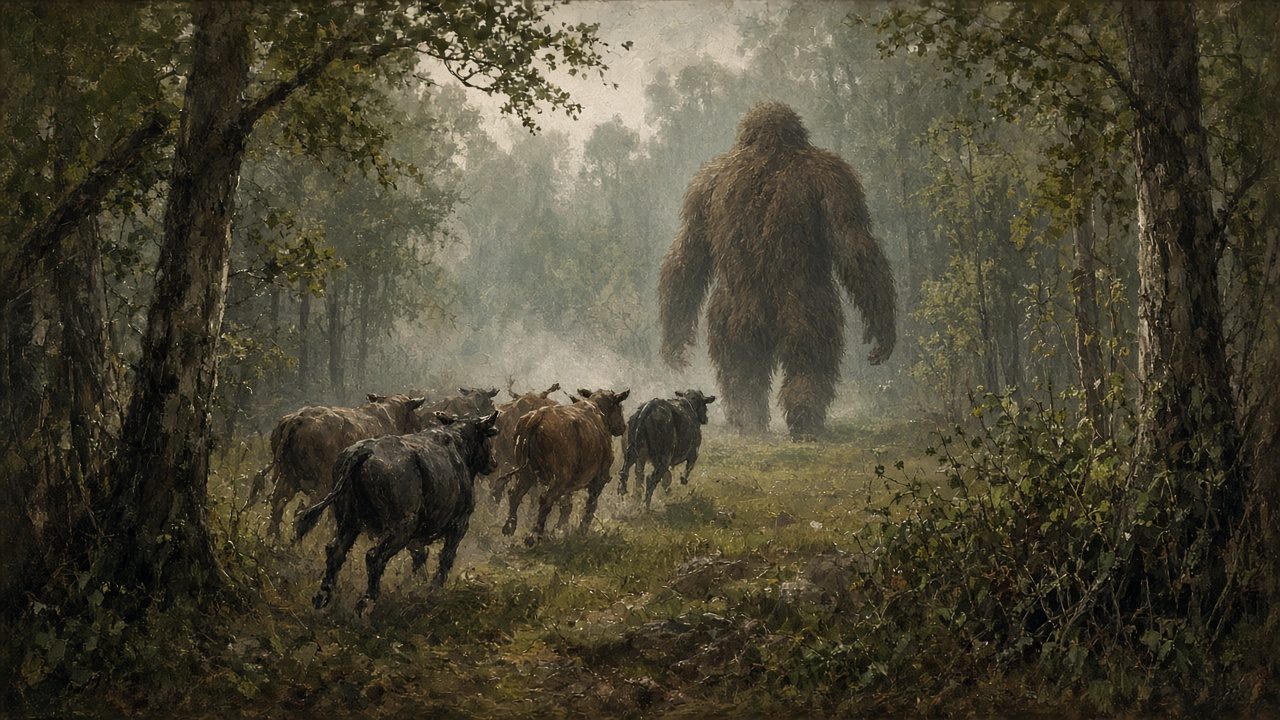
In May 1851 a Memphis paper reported a giant, hair-covered “wild man” chasing cattle in Greene County, Arkansas.
For two centuries people around New York's Seneca Lake, and later the Carolina coast, have heard deep booms like distant cannon.
Since the 19th century, settlers have reported a tall, hairy ape-like figure in the Australian bush, later called the yowie.
On a farm near Wallaceburg in what is now Ontario, the McDonald family reported stones and bullets flying through windows, fires and phantom footsteps.
Australia's most famous ghost story says Frederick Fisher's spirit sat on a fence rail and pointed to his own grave.
Lake Champlain, between New York, Vermont and Quebec, has its own lake monster, 'Champ', with sightings back to the 1800s and a famous 1977 photo.
A farm family in Robertson County, Tennessee, said a spirit knocked, spoke and tormented them for four years.
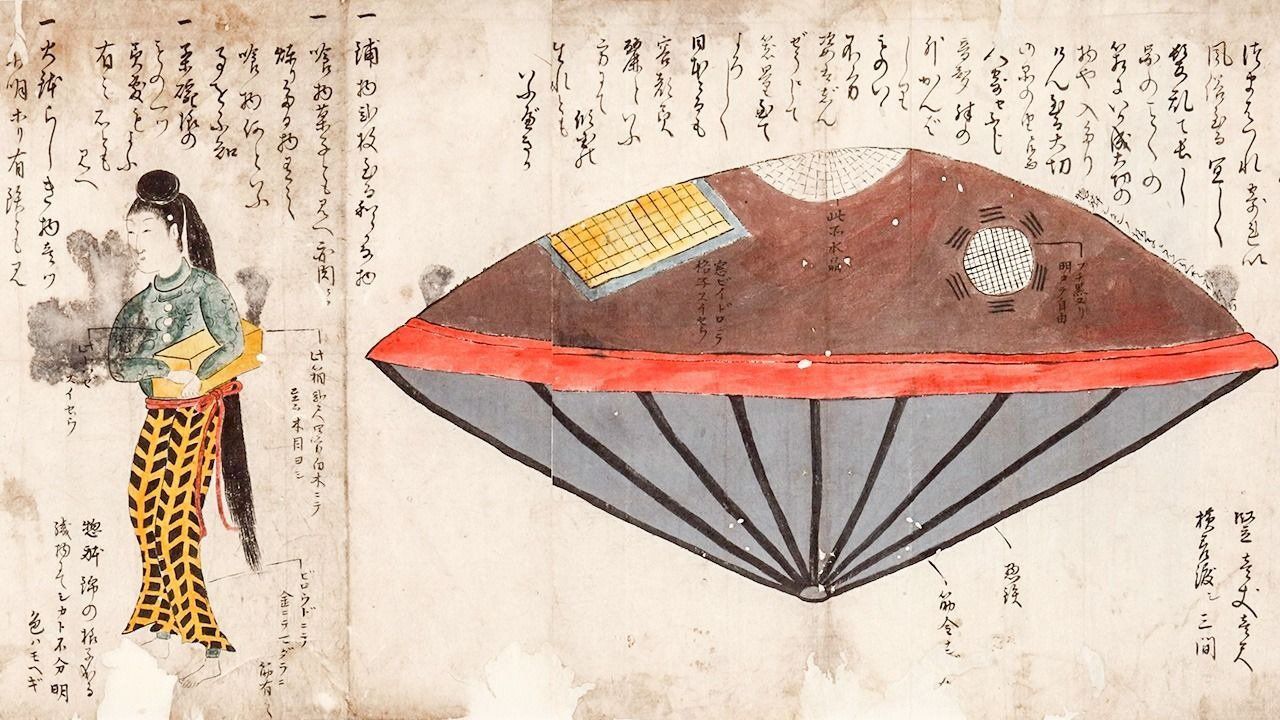
Edo-period texts tell of a round vessel washed ashore in Hitachi Province with a foreign woman inside, clutching a box.
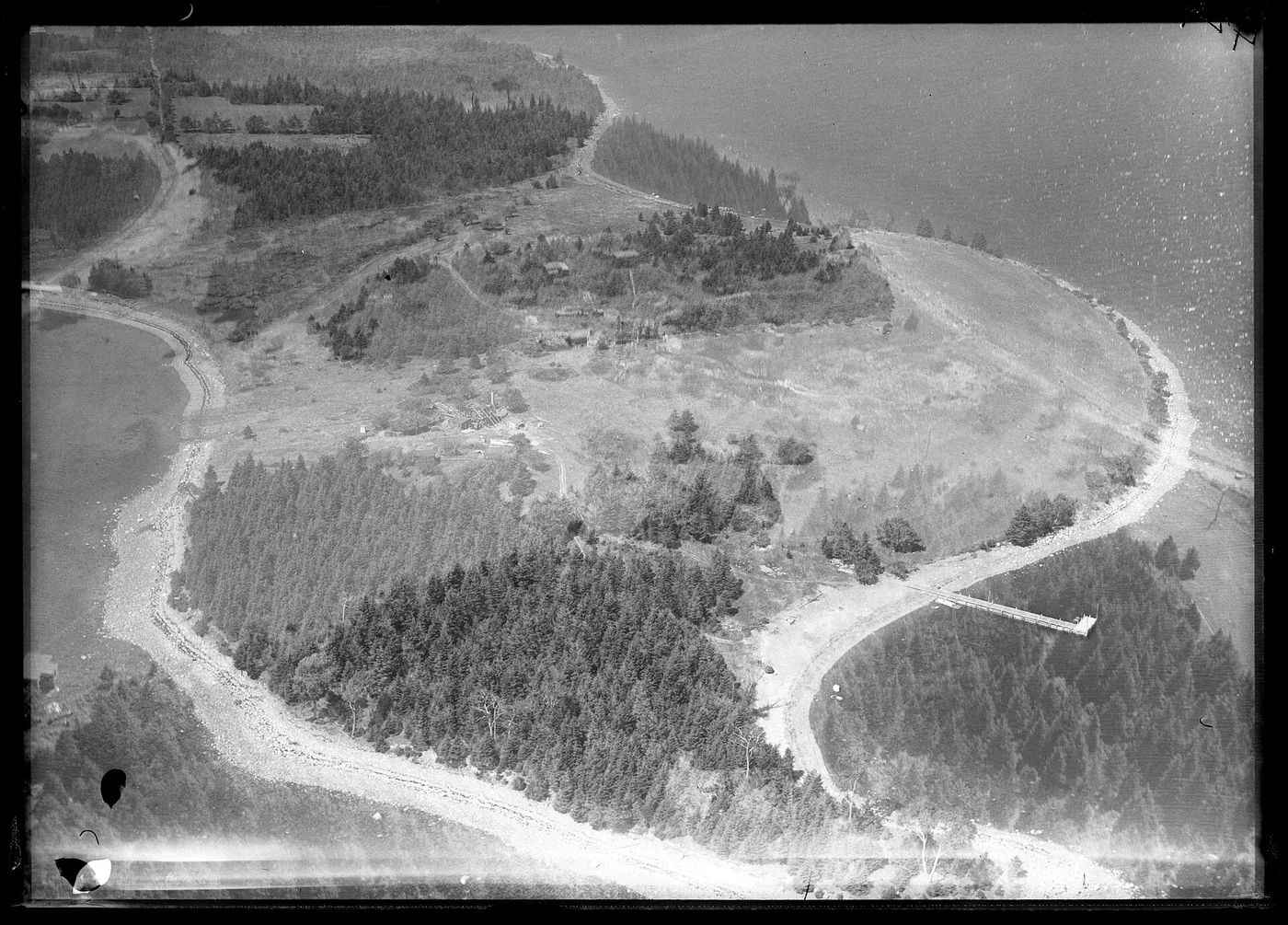
Since the 1790s treasure hunters have dug into a small Nova Scotia island. Six deaths and a TV series later, no treasure.
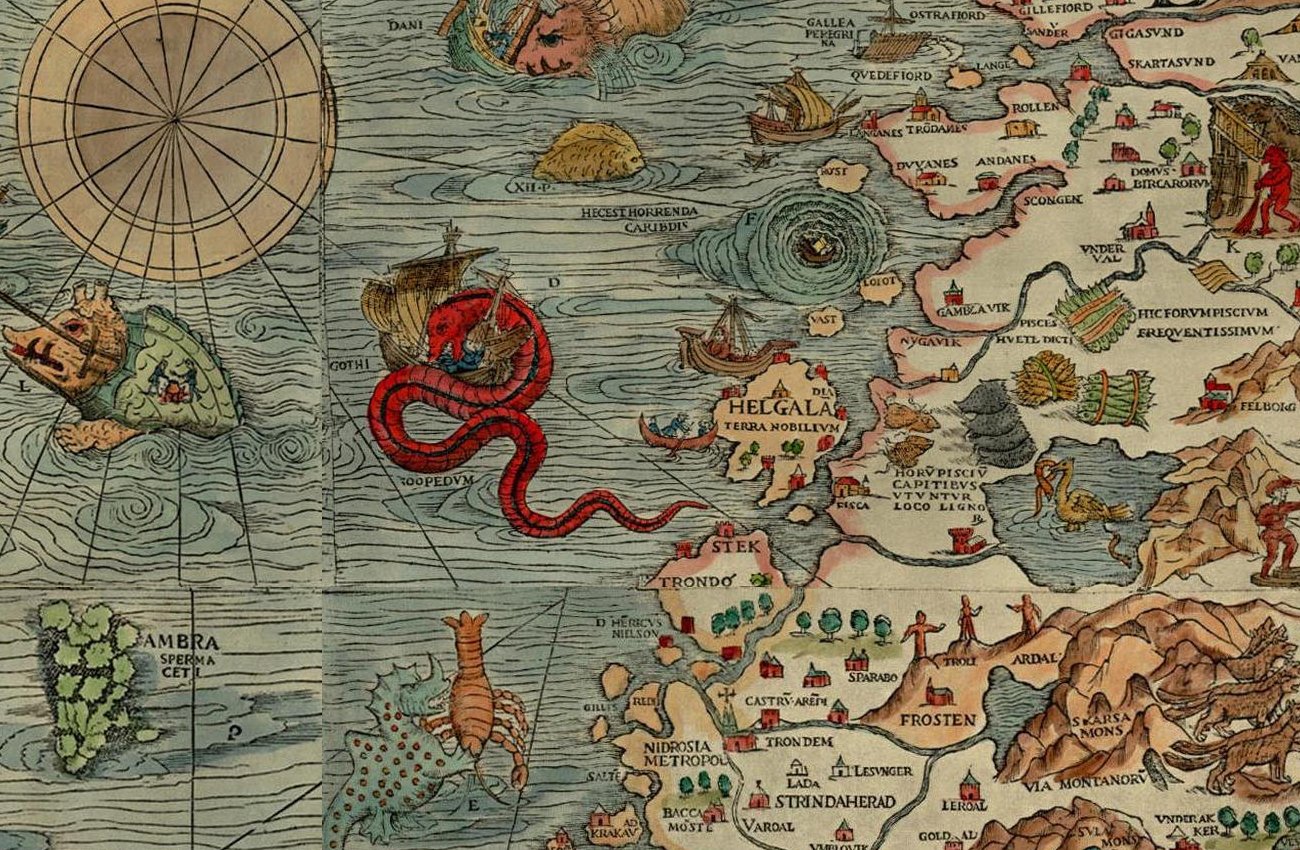
In 1555 a Swedish archbishop wrote that sailors off Bergen agreed on a 200-foot serpent with a mane and flaming eyes. We read his Latin page and his map.