Trailhead / site map
Jerome State Historic Park (Douglas Mansion)
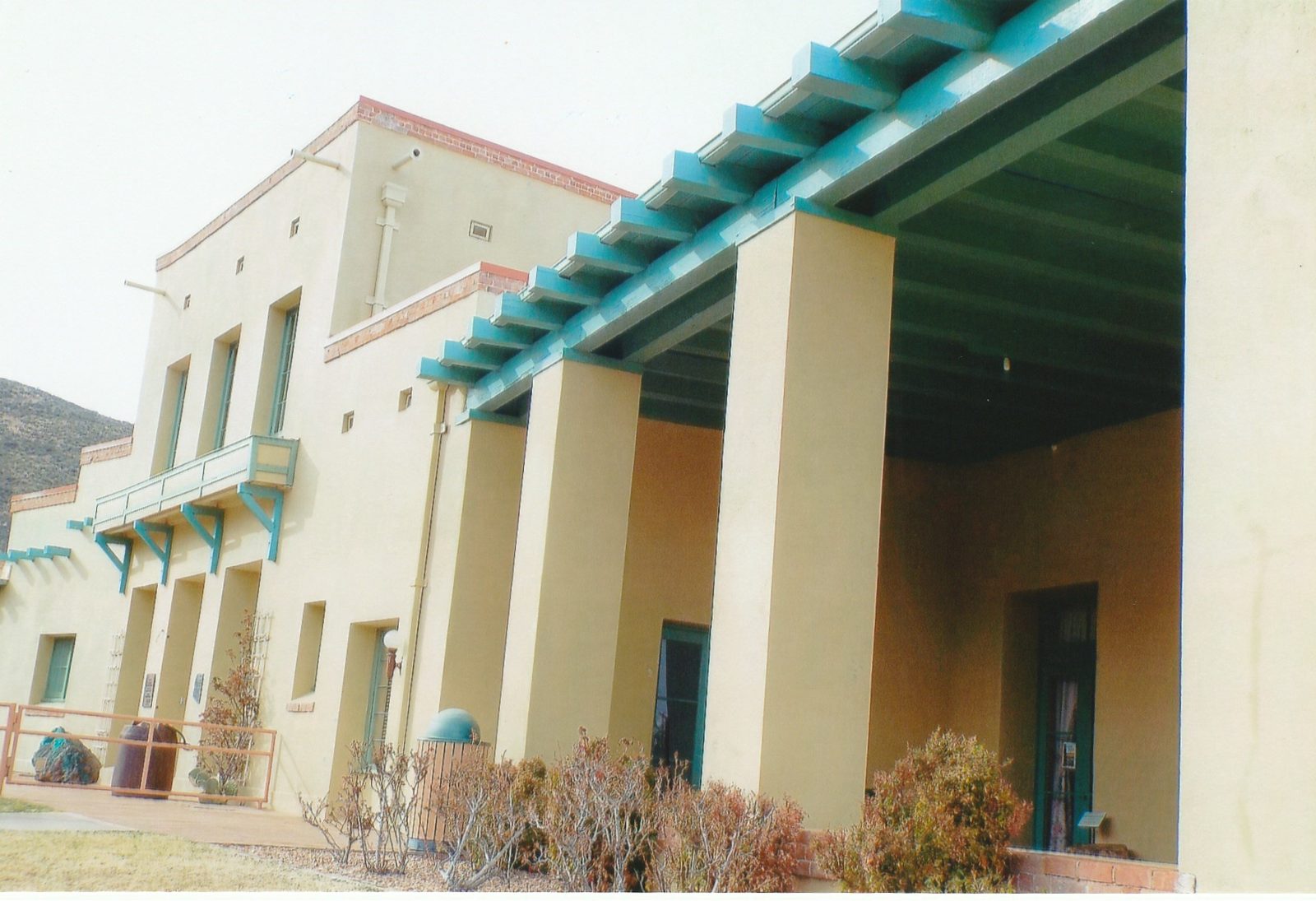
James S. Douglas's 1916 mansion above his Little Daisy Mine, now a state museum overlooking the copper town that boomed to nearly 15,000 people and then, its historical society says, became 'virtually a ghost town.'
Access
Arizona State Parks historic site and museum, adjoining the Town of Jerome. Hours (as of Oct 2026, check the park site): 9 a.m.–4:30 p.m. daily; Thanksgiving and Christmas Eve 10 a.m.–2 p.m.; closed Christmas. Entrance fees (as of Oct 2026, check the park site): adult 14+ $10, youth 7–13 $5, child 0–6 free. Picnic area with Verde Valley views. Phone (928) 634-5381. Coordinates below are the park-entrance GPS published by Arizona State Parks.
Safety & respect
ELEVATED RISK beyond the park. The hills around Jerome are a historic mining district with open shafts, collapsing adits, unstable slopes, old industrial debris, and mining-company land where you can be cited for trespass. Visit the park and the town's public streets only. Never enter a mine opening or an abandoned structure, and never cross fences. The town's own history records severe slides caused by blasting and erosion. Roads are steep and narrow: drive slowly and expect summer heat and winter ice.
Lore note
The Jerome Historical Society says the mining camp was once the fourth-largest city in Arizona Territory, with nearly 15,000 people, and earned the nickname 'Wickedest Town in the West.' The Town of Jerome says major mining stopped in 1953 and the population fell below 100 by the late 1950s. The Historical Society, formed in 1953, describes Jerome as 'virtually a ghost town' for decades and refers to uptown as 'Ghost City.' The mansion museum tells the mining story with photographs, minerals and a 3-D model of the town and its underground mines.
Map links
Official / public map link · Approx. 34.7540, -112.1112 (public reference only — verify on official maps before travel)
Sources
- Arizona State Parks — Jerome State Historic Park (history, hours, fees, programs; checked 3 Oct 2026): https://azstateparks.com/jerome
- Arizona State Parks — Jerome Maps (GPS coordinates to park entrance, 34.753972, −112.111176 WGS84): https://azstateparks.com/jerome/explore/maps
- Town of Jerome — Jerome: Then and Now: https://www.jerome.az.gov/jerome-then-and-now
- Jerome Historical Society — About Us: https://www.jeromehistoricalsociety.com/about-us/
Jerome’s “ghost town” label is earned, but it describes an economy, not a haunting. The town’s own history explains it. A copper camp founded on claims staked in 1875 grew into a boom town of more than 30 nationalities. It burned repeatedly in the 1890s, incorporated in 1899 to get a fire code, and survived slides caused by open-pit blasting. Then it emptied when major mining ended in 1953. In 1953 the residents who stayed formed the Historical Society. In 1956 the society reached an agreement with Phelps Dodge that stopped the demolition of buildings on Main Street.
The mansion
Arizona State Parks says James S. Douglas built the house in 1916 on the hill just above his Little Daisy Mine. Today it holds a museum of the Jerome area and the Douglas family, with photographs, artifacts and minerals, a video, and a 3-D model of the town with its underground mines. The park runs regular programs, including historical walking tours, geology talks and a bat walk (registration required). The park says the bats emerge “from the caves and old mine shafts of the Black Hills.”
Mine-shaft risk. This is a historic mining district: open shafts, collapsing adits, unstable slopes, old industrial debris, and trespass liability on mining-company land. Visit the park and town streets only. Don’t enter any mine opening or abandoned structure.
Make it a day
Jerome is the last stop on the ledger’s Verde Valley history day, after Montezuma Castle and Fort Verde. Below the hill in Cottonwood, Dead Horse Ranch State Park has a name story worth the detour.
Archivist’s margin
Get the ghost-city story from the people who saved the town: the State Parks museum and the Historical Society’s Mine Museum on Main Street. The shafts in the hills aren’t part of the tour.