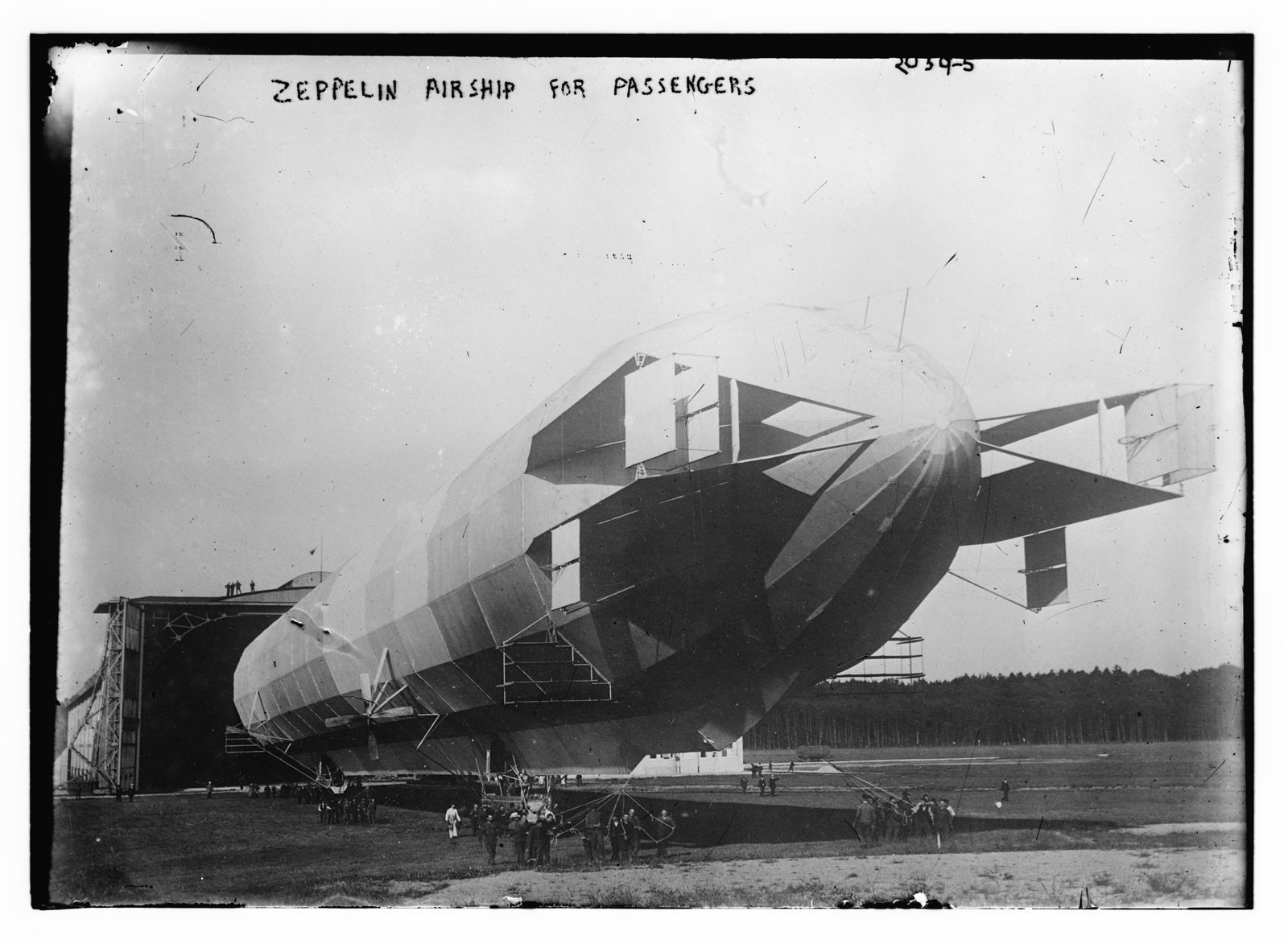
The Invercargill School 'Airship': 23 Children, Two Drawings, 29 July 1909
Six days after Kelso, 23 children at an Invercargill school said they had seen the airship in broad daylight. The local paper printed two of their drawings. The Press Association's verdict went around the country: the drawings were “not a bit alike” and the children's testimony “need not be taken very seriously.”
Sources Press Association wire from Invercargill, 30 Jul 1909, as printed in the Hawera & Normanby Star and Nelson Evening Mail, 31 Jul 1909; Otago Daily Times editorial, 31 Jul 1909; Otago Witness, 4 Aug 1909, “The Mysterious Lights” and “Southland News Notes” (all via Papers Past, National Library of New Zealand)
Six days after the Kelso airship, the scare reached New Zealand’s southernmost city, and it reached the schools. This is the report that later retellings mixed up with Kelso. Here it is on its own, with the original wire.
What the wire said
On Friday 30 July 1909 the Press Association’s Invercargill correspondent sent a short, tired dispatch. The Hawera & Normanby Star ran it under “Nothing convincing from Invercargill”:
There is nothing convincing to report in regard to the airship.
That evening, he said, the Invercargill News was publishing a statement that 23 children at a local school had seen the airship in daylight the afternoon before, Thursday 29 July, and was printing two diagrams the children drew. His verdict was blunt: the two diagrams were “not a bit alike,” and “the testimony of the children need not be taken very seriously.”
The same dispatch reported an afternoon rumour that a telegram had announced the airship’s capture at Waikaka, a small Southland town (the OCR spelling varies). The Nelson Evening Mail’s copy adds that more than 100 people came to the News office asking about it. The story had “no foundation in fact.”
The ledger hasn’t been able to find the Invercargill News for 30 July, so it hasn’t seen the children’s statement or the drawings. Everything here comes through the wire summary and the papers below.
The week around it
The children’s report didn’t come out of nowhere:
- Wednesday 28 July. The Otago Witness reported from Invercargill that about 200 people in the streets had watched a moving light in the sky that night. It drifted south and disappeared.
- Thursday 29 July. That’s the day of the school sighting. The Otago Witness round-up repeats it as “some 23 children in one of the Invercargill schools,” who reported an airship overhead “in broad daylight.”
- Friday 30 July. The Press Association reported from Dunedin that the remains of a “common toy fire balloon” had fallen in a city lane the night before and been grabbed by a crowd of youths. It called this a possible explanation for the lights seen there.
- Saturday 31 July. The Otago Daily Times editorial “The Airship Mystery” noticed the pattern. Those who believed they had seen the machine “in broad daylight,” it said, “appear to have included so far a considerable proportion of school children.” The paper still declined to dismiss adult witnesses.
A correspondent’s explanation
On 2 August the Otago Witness’s Southland correspondent summed up the week. No one in Invercargill, as far as he could find, claimed to have seen an airship, only a large, bright light that bobbed as it moved, which he thought suggested a fire balloon. For one pair of observers the question was settled, because the object “burnt into flames while under observation.”
He listed the other theories going around: toy balloons, “luminous vapours,” St Elmo’s fire, and a practical joker with seagulls carrying acetylene lights. He reported these rather than endorsing them. He also gave the believers’ strongest card: “a large number of children at the North Invercargill School state positively that they saw it in broad daylight.” That’s the only source the ledger has found that names the school.
Why it matters next to Kelso
The two school reports make a useful pair:
- Kelso (23 July): a reporter collected six drawings and said they resembled each other strikingly.
- Invercargill (29 July): the paper printed two drawings, and the wire said they didn’t look alike at all.
Neither set of drawings has been republished here. In both places the children were reacting to an airship scare that adults and newspapers had been feeding for weeks. That’s why the ledger counts this wire item as one source, however many papers ran it.
Ledger status
Disputed. The night lights that week have a documented prosaic explanation in at least some cases (fire balloons). The daylight “ship” rests on children’s testimony that survives only in summary, with two drawings that the press at the time said didn’t agree. It’s part of the Antipodes desk.
Sources
- Press Association wire, Invercargill, 30 Jul 1909: “Jack in the Lantern,” Hawera & Normanby Star, 31 Jul 1909 — Papers Past
- Press Association wires (Dunedin, Invercargill, Greymouth), “That ‘Airship,’” Nelson Evening Mail, 31 Jul 1909 — Papers Past
- “The Airship Mystery” (editorial), Otago Daily Times, 31 Jul 1909 — Papers Past
- “The Mysterious Lights,” Otago Witness, 4 Aug 1909 — Papers Past
- “Southland News Notes” (own correspondent, Invercargill, 2 Aug), Otago Witness, 4 Aug 1909 — Papers Past
Evidence ledger
Each claim in this file, the source it rests on, and how well it holds up: 1 disputed · 2 unverified · 2 debunked. What the labels mean.
| Claim | Source | Type · date | Status |
|---|---|---|---|
| 23 children at an Invercargill school said they saw the airship in daylight on the afternoon of 29 July 1909.Known only through the wire's summary of the Invercargill News. The News page and its two drawings haven't been located. | Press Association wire, Invercargill, 30 Jul 1909 (Hawera & Normanby Star; Nelson Evening Mail, 31 Jul) | period press · 31 Jul 1909 | unverified |
| The children's two drawings matched.The wire: “The two diagrams are not a bit alike.” | Press Association wire, 30 Jul 1909 | period press · 31 Jul 1909 | debunked |
| The school was North Invercargill School.Named only by this correspondent; the wire says “a local school.” | Otago Witness, Southland correspondent, 4 Aug 1909 | period press · 4 Aug 1909 | unverified |
| An airship had been captured at Waikaka.PA: the story had “no foundation in fact,” though over 100 people asked at the News office. | Rumour reported by the Press Association, 30 Jul 1909 | period press · 31 Jul 1909 | debunked |
| The night lights over Southland that week were fire balloons.One balloon burst into flames while observers watched it, and a toy fire balloon's remains fell in Dunedin. It explains some lights, not a daylight ‘ship.’ | Otago Witness, Southland correspondent; PA from Dunedin (Nelson Evening Mail, 31 Jul) | period press · 31 Jul–4 Aug 1909 | disputed |
Discussion
Discussions activating. Per-case threads will embed here once the Giscus GitHub App is installed on the public satellite repo.
Meanwhile, join the conversation on GitHub Discussions: https://github.com/dclewis21/anomaly-ledger-community/discussions
CoS / D.C.: see Community guidelines and
SETUP.mdin the site repo for the one-click Giscus install.