



No original photo or video of this event is known.
Mapinguari: The Amazon Giant and the Ground-Sloth Idea
Last reviewed Next review
We review and update every article weekly. When the record changes, so does the article. How we review
In the Brazilian Amazon, rubber tappers and riverside communities tell of the mapinguari, a huge, foul-smelling, shaggy creature.
Verdict: An Amazonian tradition, and no living giant ground sloth has ever been found.
Sources David C. Oren, 'Does the endangered xenarthran fauna of Amazonia include remnant ground sloths?', Edentata 4 (2001); Wikipedia, 'Mapinguari'
Across the Brazilian Amazon, from Acre to Pará, stories describe the mapinguari: a tall creature with red, brown or black hair that walks on two legs, has a terrible smell and a cry that sounds like a man shouting, and in some versions a mouth in its belly. Rubber tappers and hunters have long told of encounters.
The sloth theory
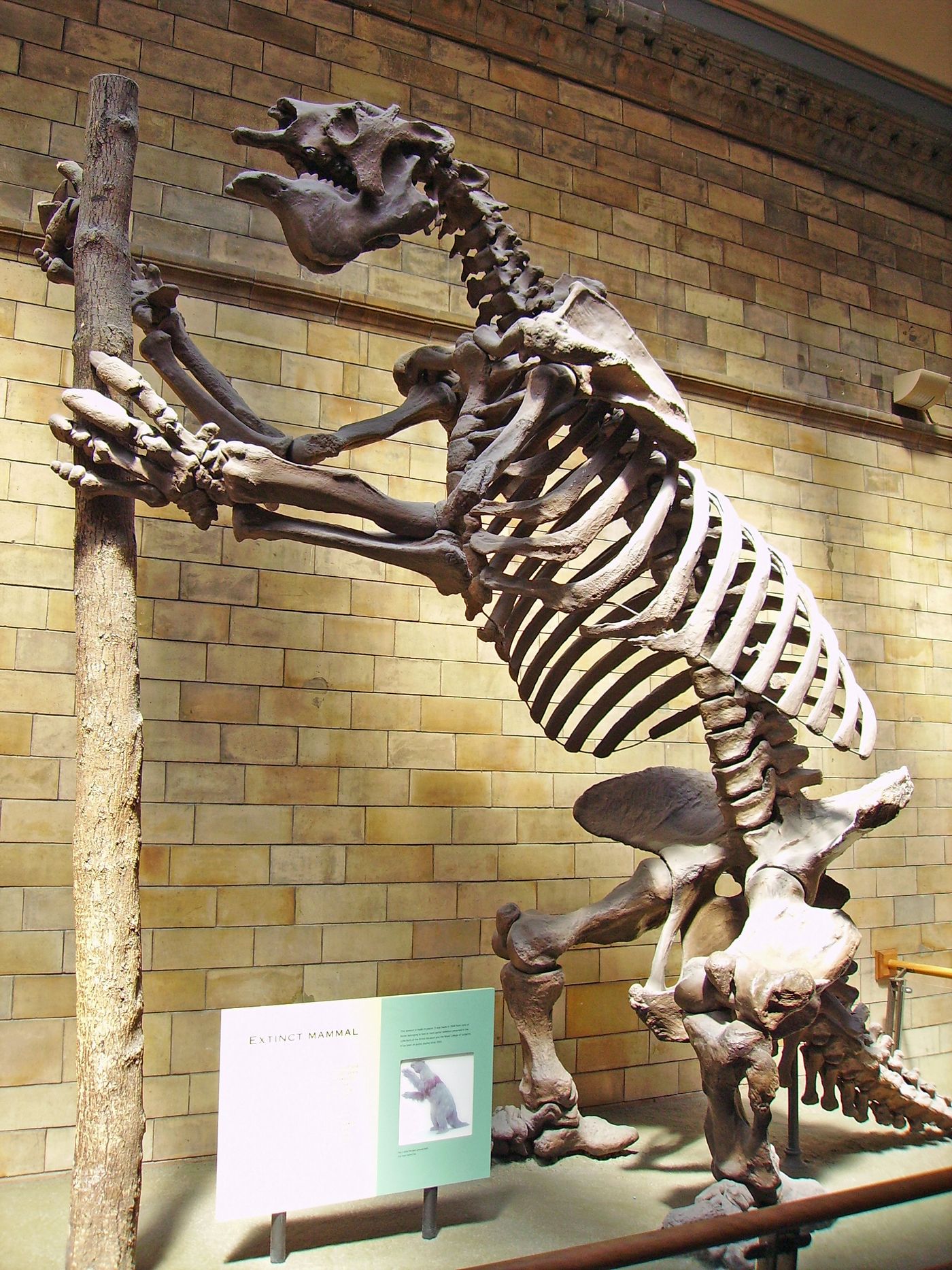
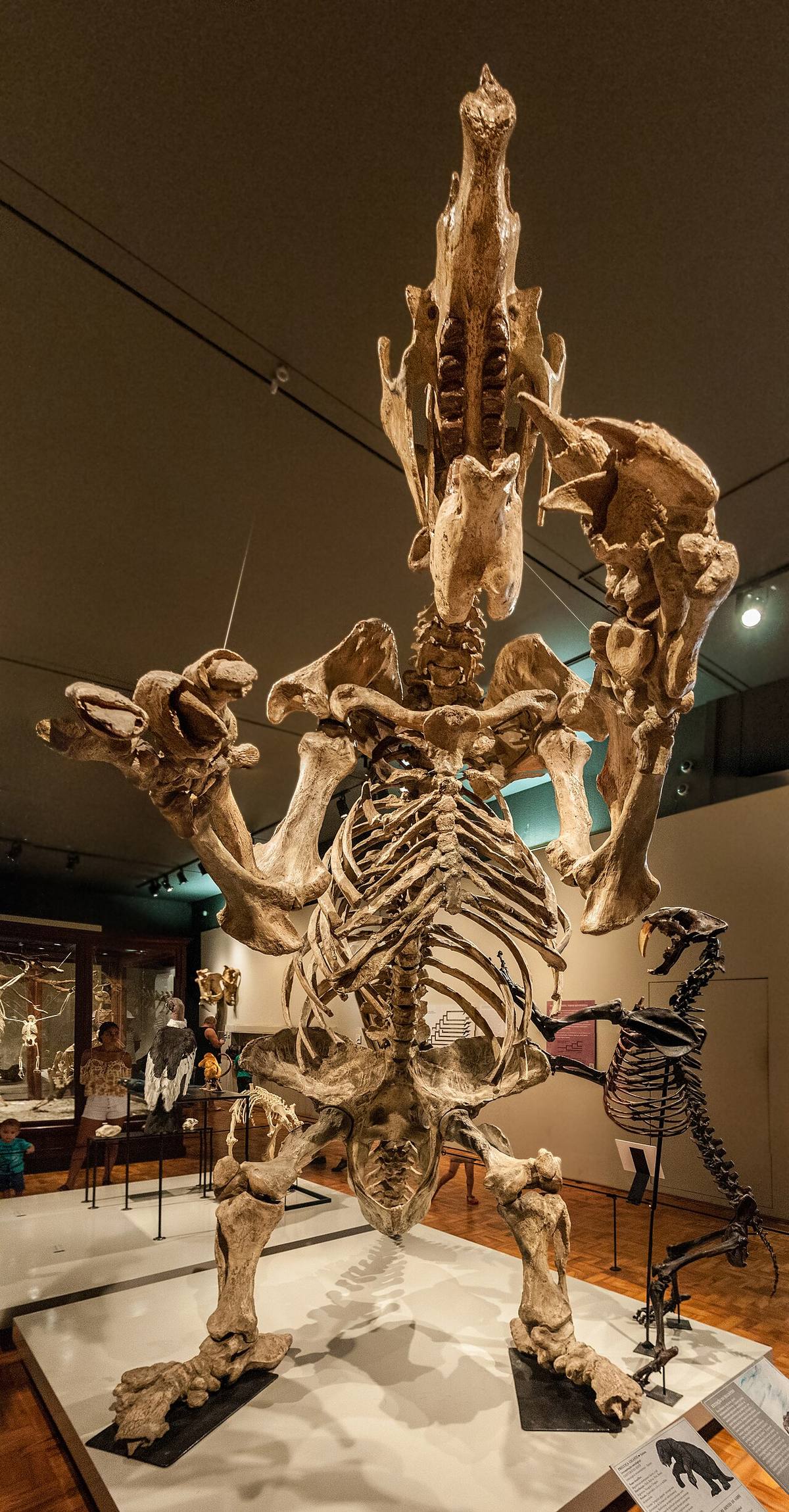
In the 1990s the American ornithologist David Oren, then at the Museu Paraense Emílio Goeldi in Belém, noticed that some descriptions (of a large animal that rears up on its hind legs, has long claws and leaves tough, bony-studded hide) fit a giant ground sloth, a group that died out in South America thousands of years ago. He gathered accounts from more than 80 people and from seven hunters who said they had killed one. The three hunters who said they kept hair, claws or a foot later threw them away, so no specimen has reached scientists.
Folklore, maybe memory
Most researchers now treat the mapinguari as a folklore figure, with layers from Indigenous traditions and the rubber boom. Some suggest it may preserve a distant cultural memory of megafauna. We give no map position: the traditions belong to many Indigenous and riverside communities across a huge region.
Sources
- David C. Oren, “Does the endangered xenarthran fauna of Amazonia include remnant ground sloths?”, Edentata 4 (2001): xenarthrans.org
- Wikipedia, “Mapinguari”: en.wikipedia.org
Every image on this page is credited where it appears.
Verdict
Folklore An Amazonian tradition, and no living giant ground sloth has ever been found.
Evidence ledger
Each claim in this file, the source it rests on, and how well it holds up: 3 corroborated · 1 unverified. What the labels mean.
| Claim | Source | Type · date | Status |
|---|---|---|---|
| Amazonian communities describe a large, shaggy, foul-smelling forest creature called the mapinguari. | Wikipedia; Oren (2001) | secondary | corroborated |
| Ornithologist David Oren proposed it may be a surviving ground sloth. | Oren (2001) | scholarly · 2001 | corroborated |
| No specimen has reached scientists; hunters who said they kept hair or claws later discarded them. | Oren (2001) | scholarly · 2001 | corroborated |
| A living giant ground sloth survives in the Amazon. | Cryptozoological claims | secondary | unverified |
Update log
-
We added this case file.
-
After reading Oren (2001) we corrected the evidence: he reports hunters who said they kept hair, claws or a foot and later discarded them, not hair and dung samples that were analyzed. We also corrected the hair color (red, brown or black), the regions named, and the extinction timing, and dropped the unread Loxton & Prothero book.
Sources https://xenarthrans.org/wp-content/uploads/2019/10/Oren_Does-the-endangered-xenarthran-fauna-of-Amazonia-include-remnant-ground-sloths.pdf · https://en.wikipedia.org/wiki/Mapinguari
-
Weekly re-check of sources; no newer change to the record. Next check November 23, 2026.
Discussion
Discuss this case on the on-site Community board — no GitHub account required. Prefer a private tip for the editorial team? Submit a Sighting.
House rules: Community guidelines.