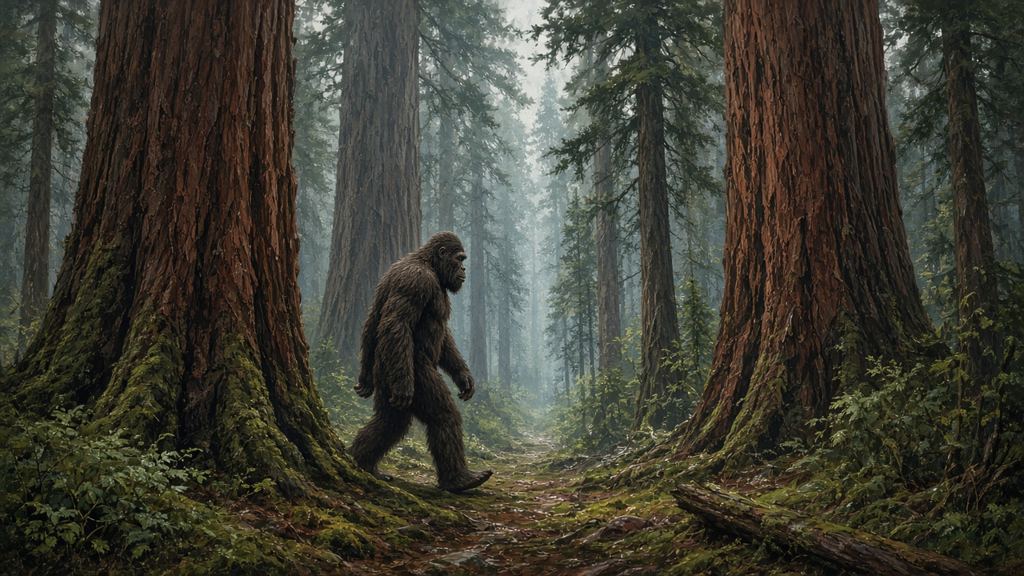
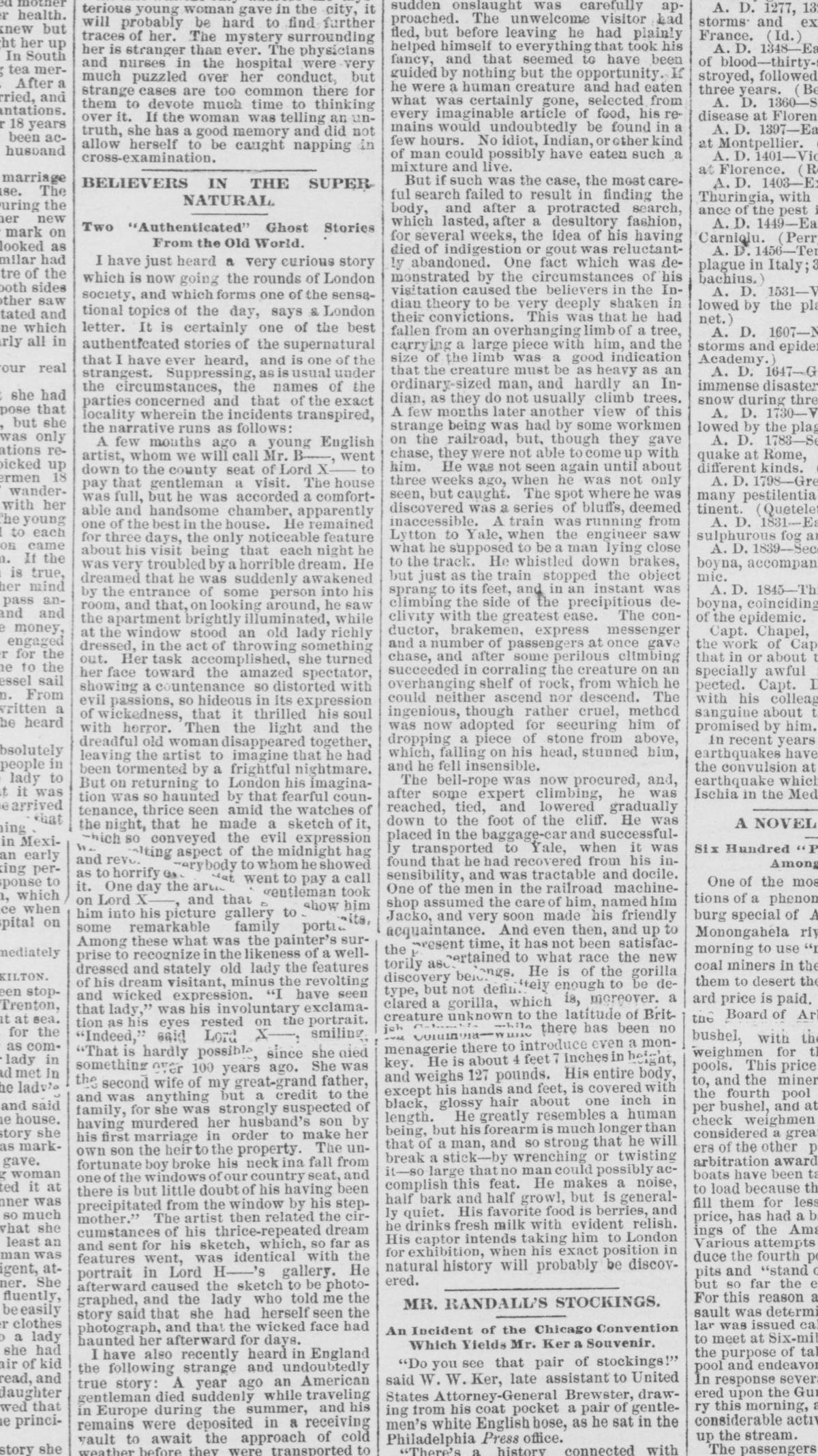
No original photo or video of this event is known.
Sasquatch: How a British Columbia Word Became Bigfoot
Last reviewed Next review
We review and update every article weekly. When the record changes, so does the article. How we review
'Sasquatch' comes from a Halq'eméylem word for a hairy wild being, popularized by a schoolteacher in Harrison Hot Springs in the 1920s.
Verdict: The word came from a First Nations tradition, and the creature has never been documented.
Sources Arizona State Museum, 'Tracking the Legend of Bigfoot'; Tourism Harrison, Sasquatch Museum; Wikipedia, 'Bigfoot'
In 1929 Maclean’s magazine published an article by J. W. Burns, a teacher on the Chehalis reserve near Harrison Hot Springs in British Columbia’s Fraser Valley. He wrote about “Sasquatch,” hairy giants of Stó:lō stories, adapting a word from the Halq’eméylem language. When American newspapers coined “Bigfoot” after the 1958 California footprint story, Sasquatch became the Canadian name for the same idea.
Two layers
Coast Salish and other First Nations have traditions of wild, hairy beings with cultural and moral meaning. Folklorists separate these from the modern cryptid, which owes much to 20th-century newspapers, films and hoaxes. We do not treat Indigenous traditions as sighting reports.
Today
Harrison Hot Springs holds Sasquatch Days, runs a Sasquatch Museum at its visitor center, and promotes the Sasquatch Provincial Park nearby. The Arizona State Museum’s exhibit on the legend notes that no specimen, bone or verified DNA has ever been found.
Sources
- Arizona State Museum, “Tracking the Legend of Bigfoot”: statemuseum.arizona.edu
- Tourism Harrison, Sasquatch Museum: tourismharrison.com
- Wikipedia, “Bigfoot”: en.wikipedia.org
Verdict
Folklore The word came from a First Nations tradition, and the creature has never been documented.
Evidence ledger
Each claim in this file, the source it rests on, and how well it holds up: 3 corroborated · 1 unverified. What the labels mean.
| Claim | Source | Type · date | Status |
|---|---|---|---|
| The word 'Sasquatch' was adapted from a Halq'eméylem (Stó:lō) term. | Wikipedia; Arizona State Museum | museum / archive | corroborated |
| Teacher J. W. Burns popularized the term in 1920s–30s articles from the Harrison area. | Wikipedia | secondary · 1929 | corroborated |
| Harrison Hot Springs promotes itself as Sasquatch country with a museum. | Tourism Harrison | listing | corroborated |
| An unknown North American ape exists.Footprints, photos and hair samples have not yielded verified evidence. | Cryptozoological claims | secondary | unverified |
Update log
-
We added this case file.
-
Weekly re-check of sources; no change to the record since filing. Next check November 23, 2026.
Discussion
Discuss this case on the on-site Community board — no GitHub account required. Prefer a private tip for the editorial team? Submit a Sighting.
House rules: Community guidelines.