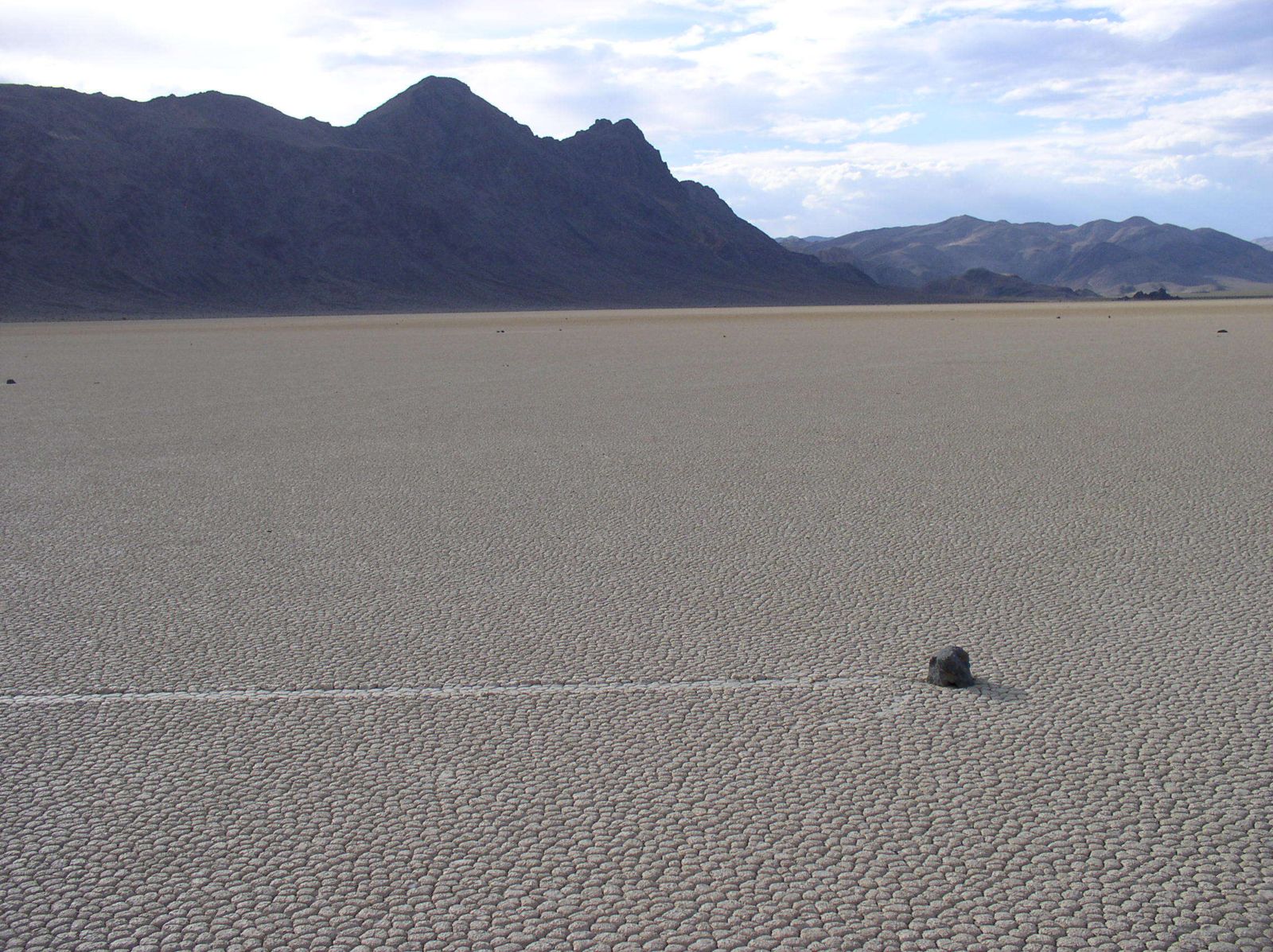
The Sliding Rocks of Racetrack Playa: Caught Moving at Last, Winter 2013
For decades rocks on a dry lake in Death Valley left long trails and nobody saw one move. In 2013 a team finally watched it happen. We read what they recorded.
21 case files, newest first.
For decades rocks on a dry lake in Death Valley left long trails and nobody saw one move. In 2013 a team finally watched it happen. We read what they recorded.
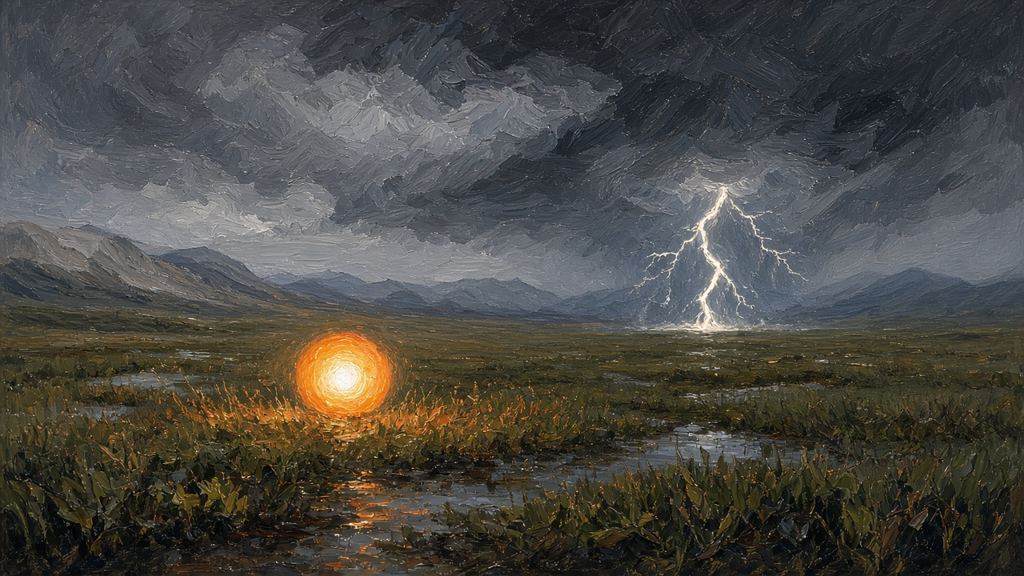
In 2012 Chinese scientists recorded the spectrum of a ball of lightning rising from a ground strike: soil, not plasma magic.
For two months in 2001 parts of Kerala, India, got rain colored red.
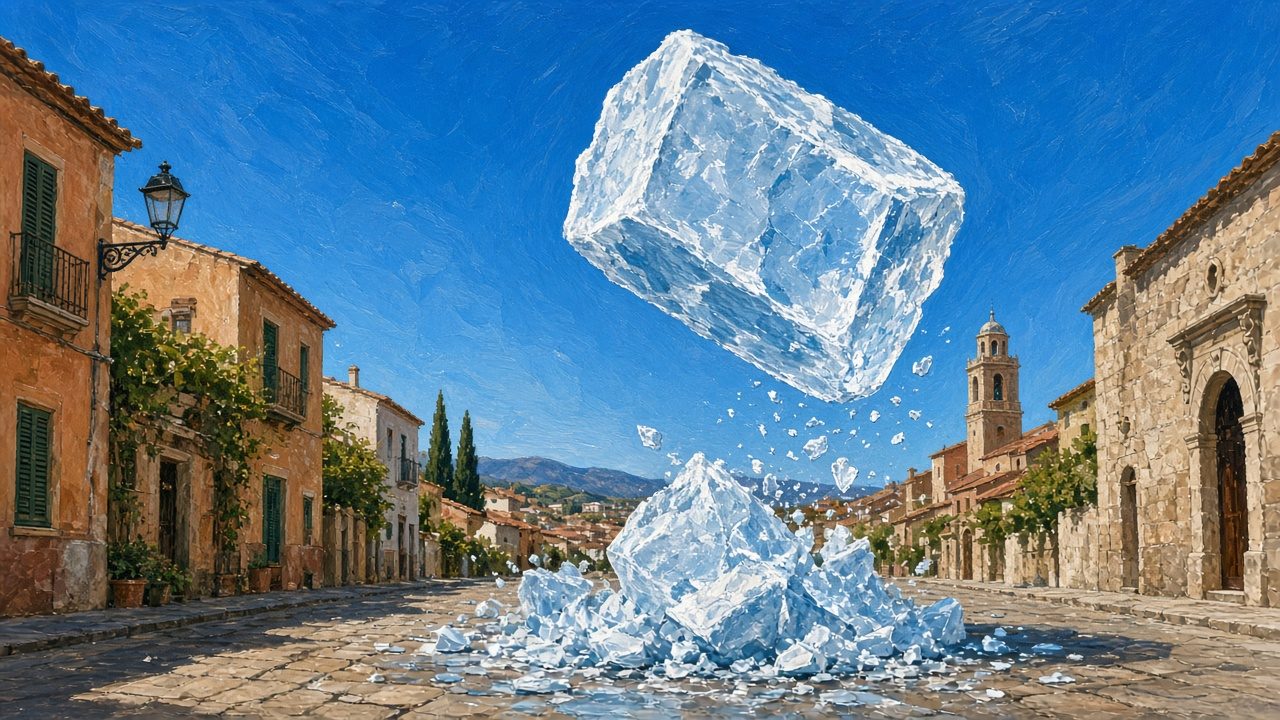
The FAA has a record of ice falling from airliners onto houses and cars, from leaking lavatory systems.
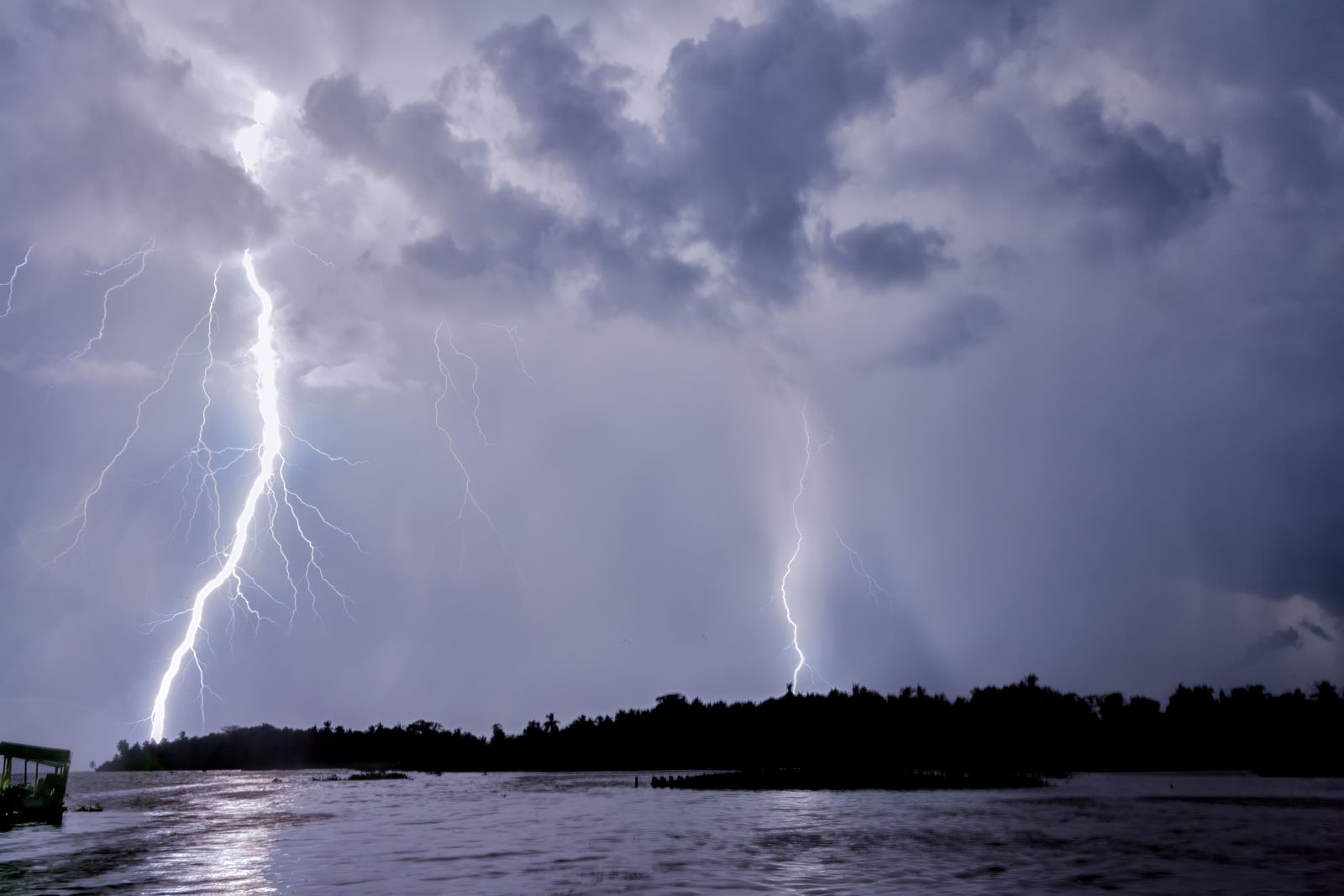
Over one corner of Lake Maracaibo, storms flash nearly every night of the year. Satellites now rank it Earth's top lightning spot. Here is why it happens.
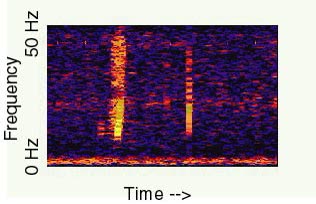
NOAA hydrophones caught a huge low sound in 1997. NOAA later matched it to cracking icebergs.
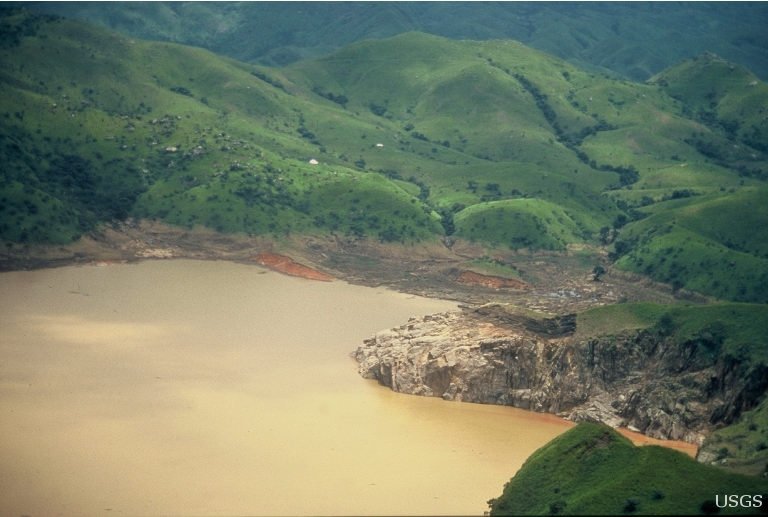
In 1986 a Cameroon crater lake released a cloud of carbon dioxide that killed about 1,746 people in their sleep.
Since at least the 1930s, and in a burst in the early 1980s, people in the Hessdalen valley of central Norway have seen lights that hover, drift and flare.
In January 1962 girls at a mission boarding school in what is now Tanzania began laughing uncontrollably.
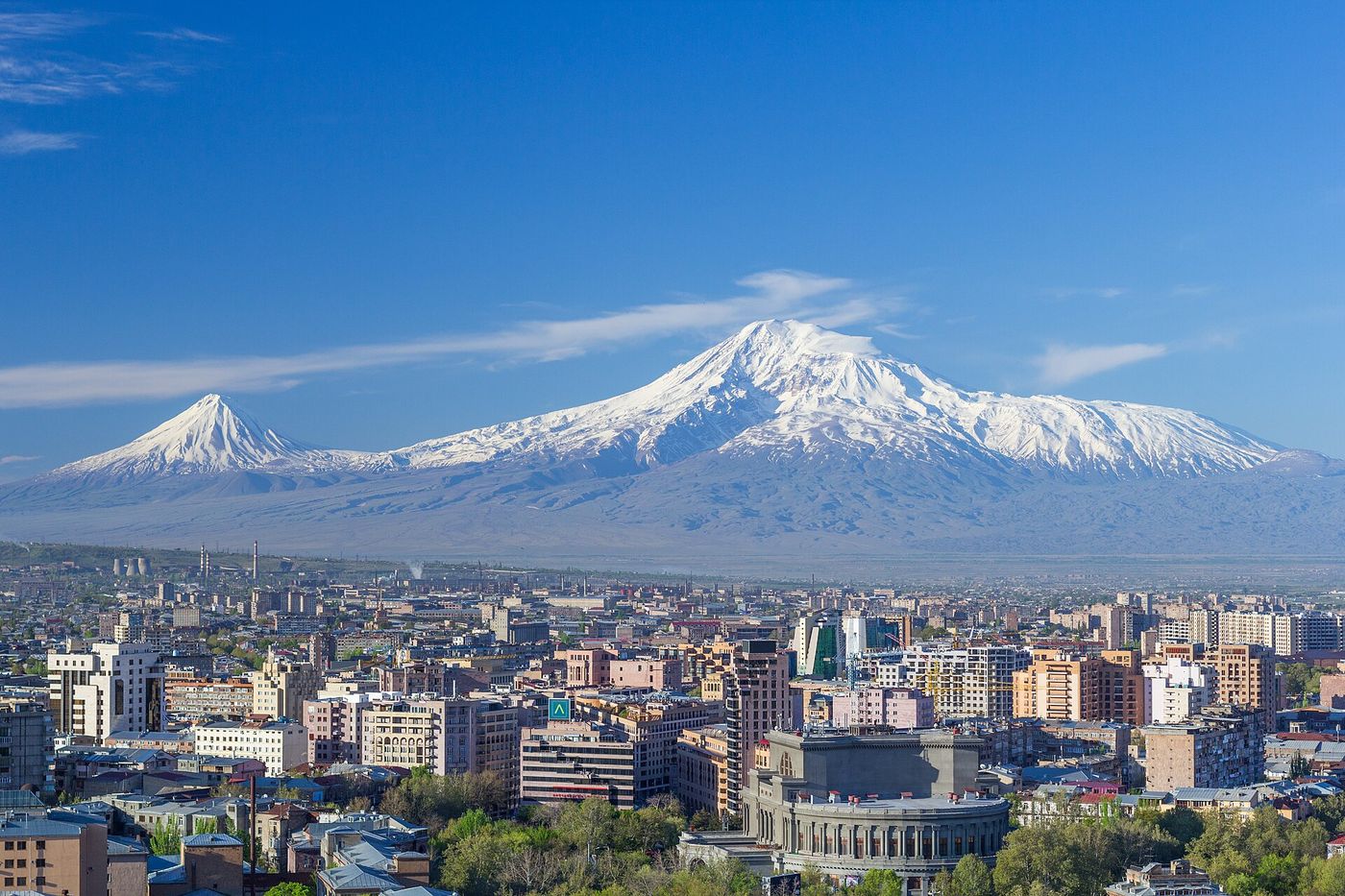
US intelligence images of Mount Ararat in eastern Turkey show a dark shape in the ice near the summit that some say is Noah's Ark.
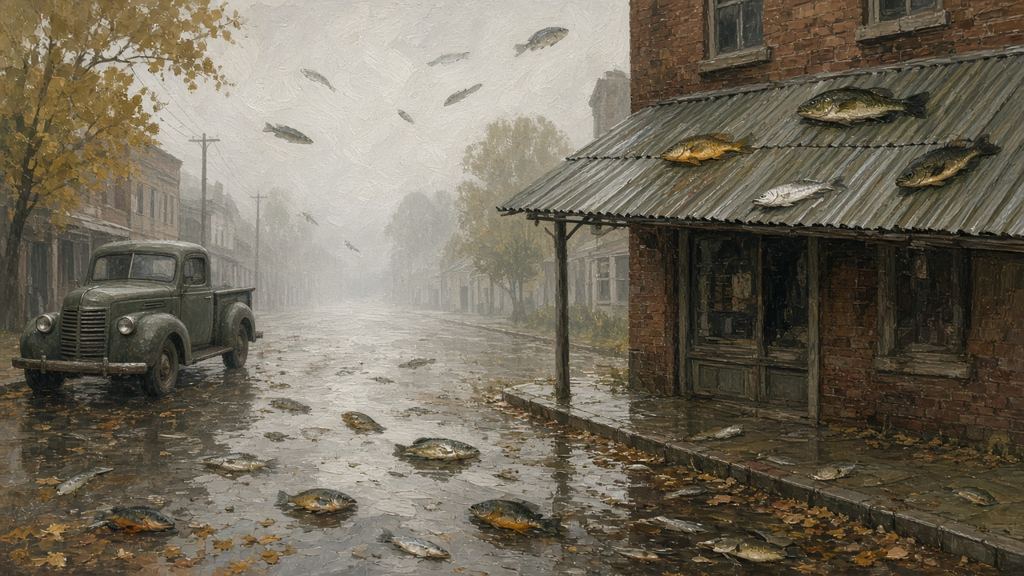
On a calm, foggy morning in 1947, bass and shad fell on a Louisiana town while a fish biologist ate breakfast nearby. We read his report and the weather record.
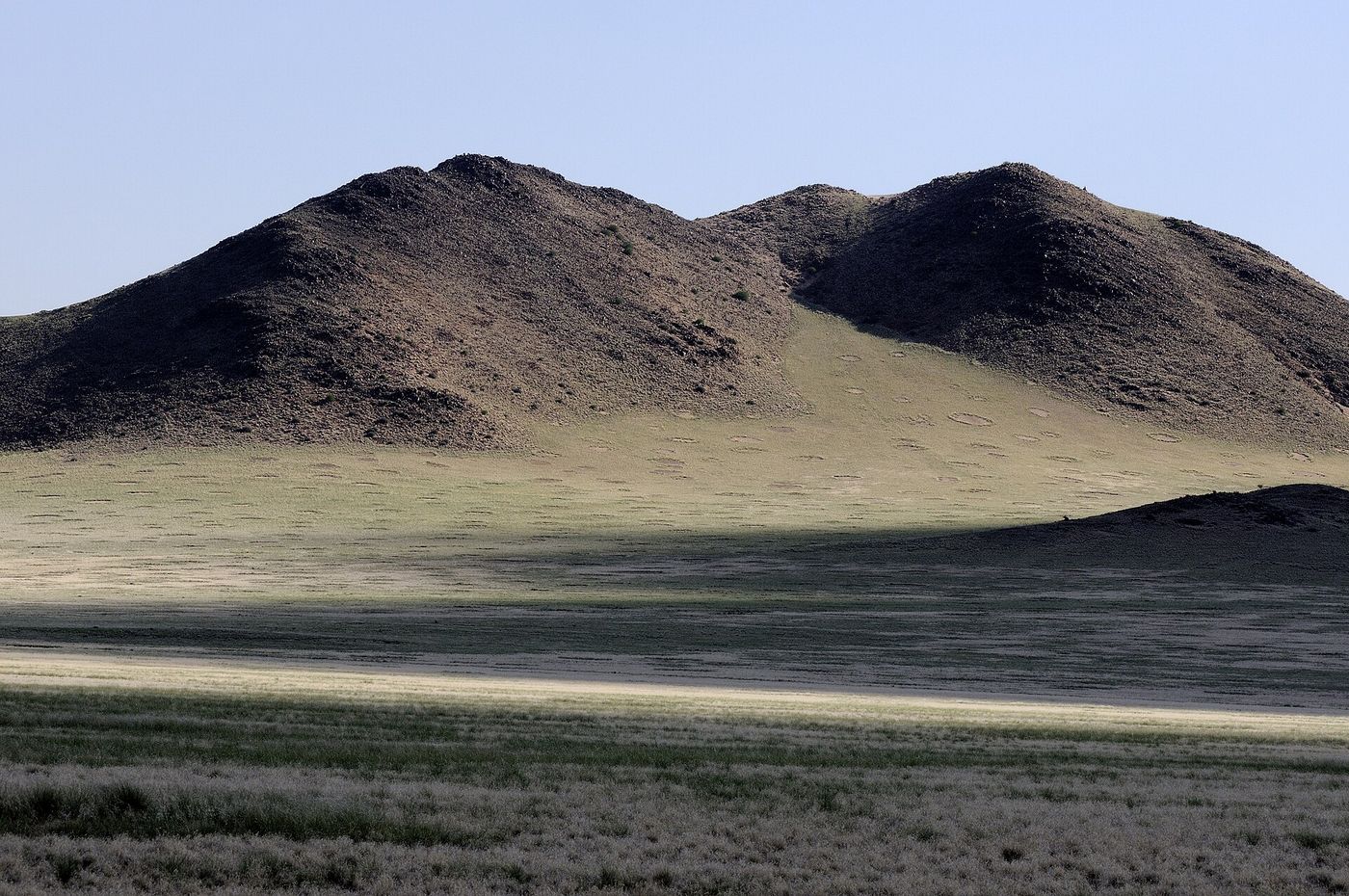
Millions of bare, evenly spaced rings dot the grass of the Namib Desert. Two research camps, termites versus thirsty grass, still can't agree what makes them.
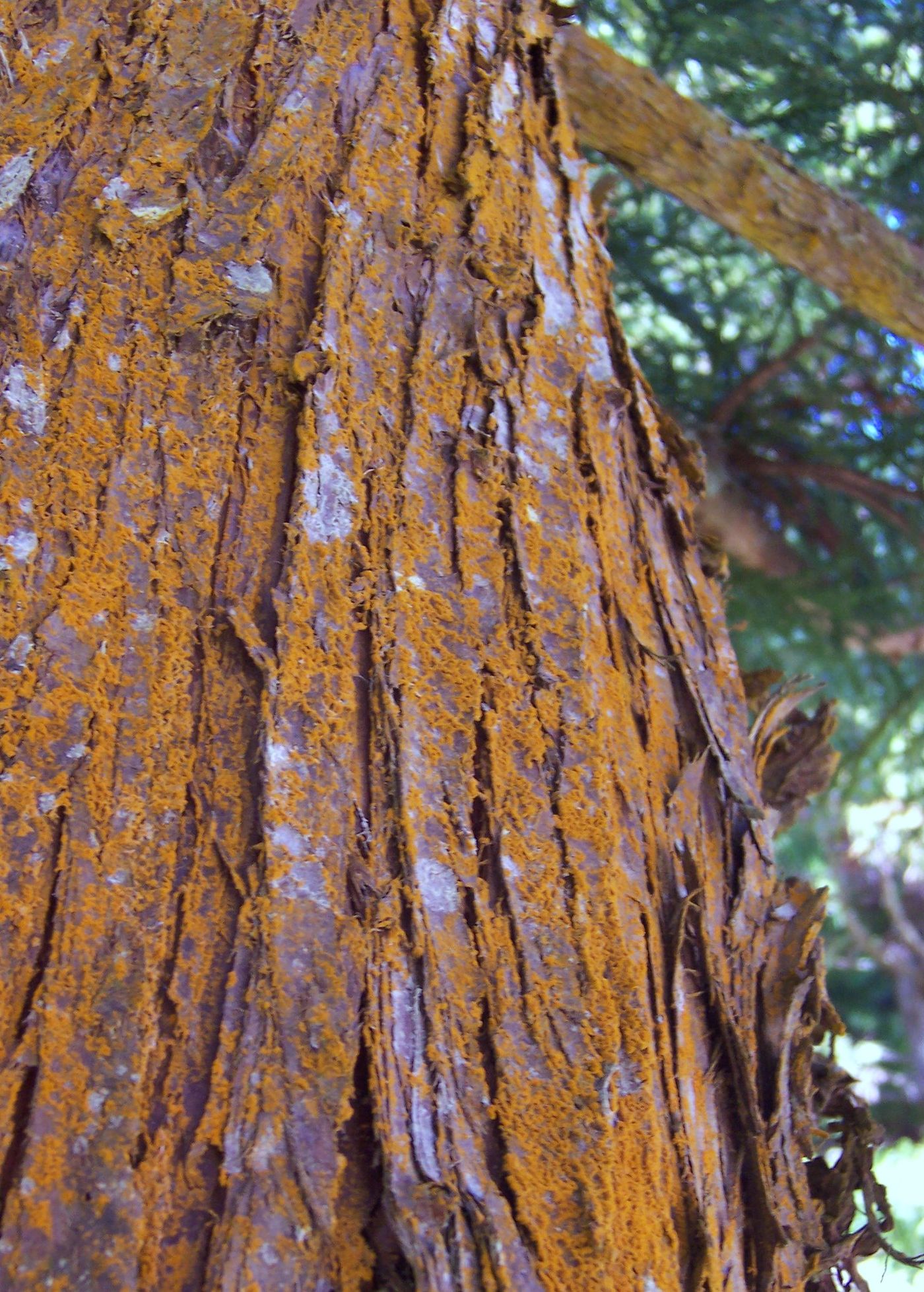
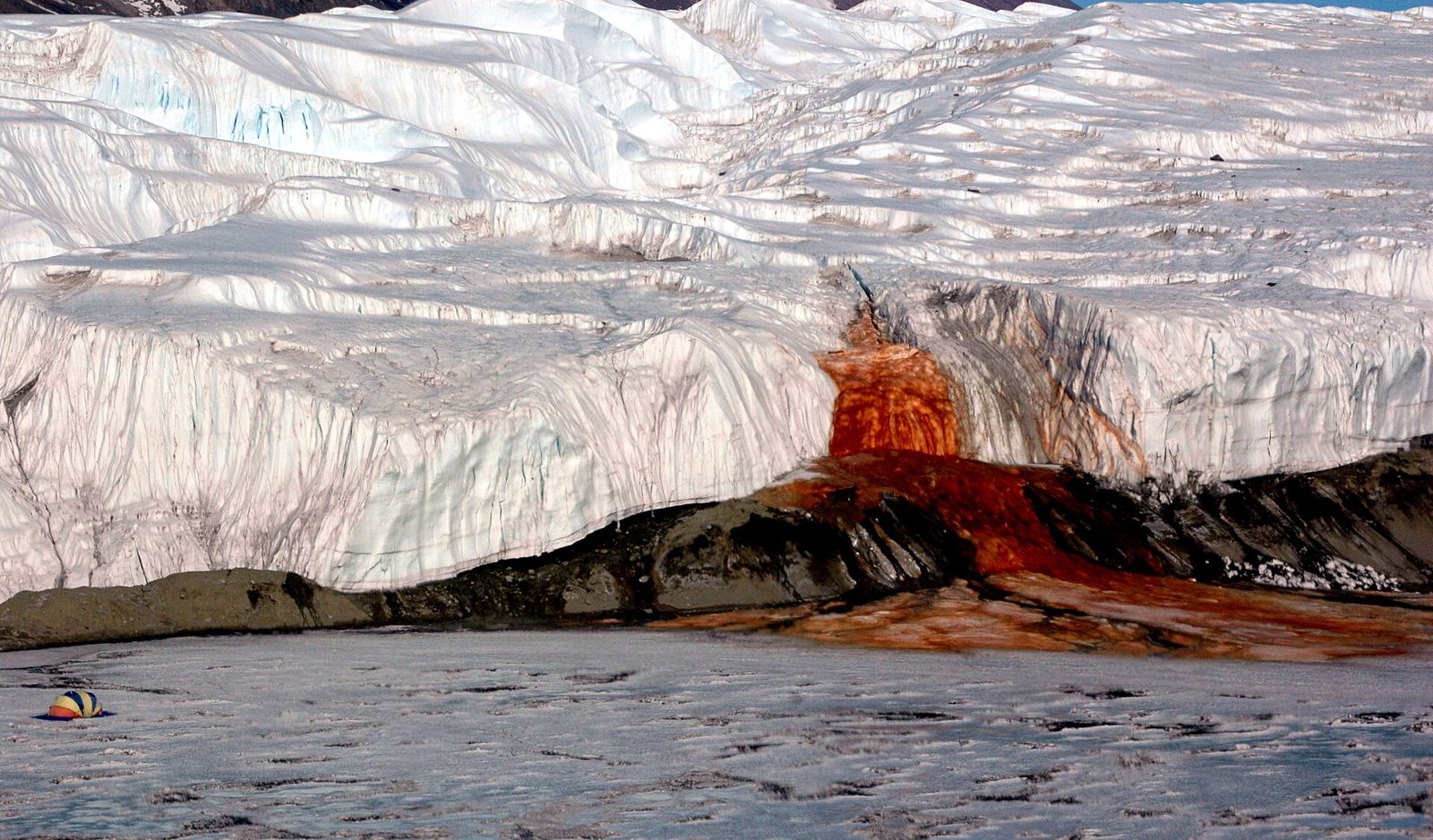
A glacier in Antarctica's Dry Valleys leaks a blood-red stain. Explorers blamed algae in 1911; the real cause is buried salt water, iron and microbes.
For two centuries people around New York's Seneca Lake, and later the Carolina coast, have heard deep booms like distant cannon.
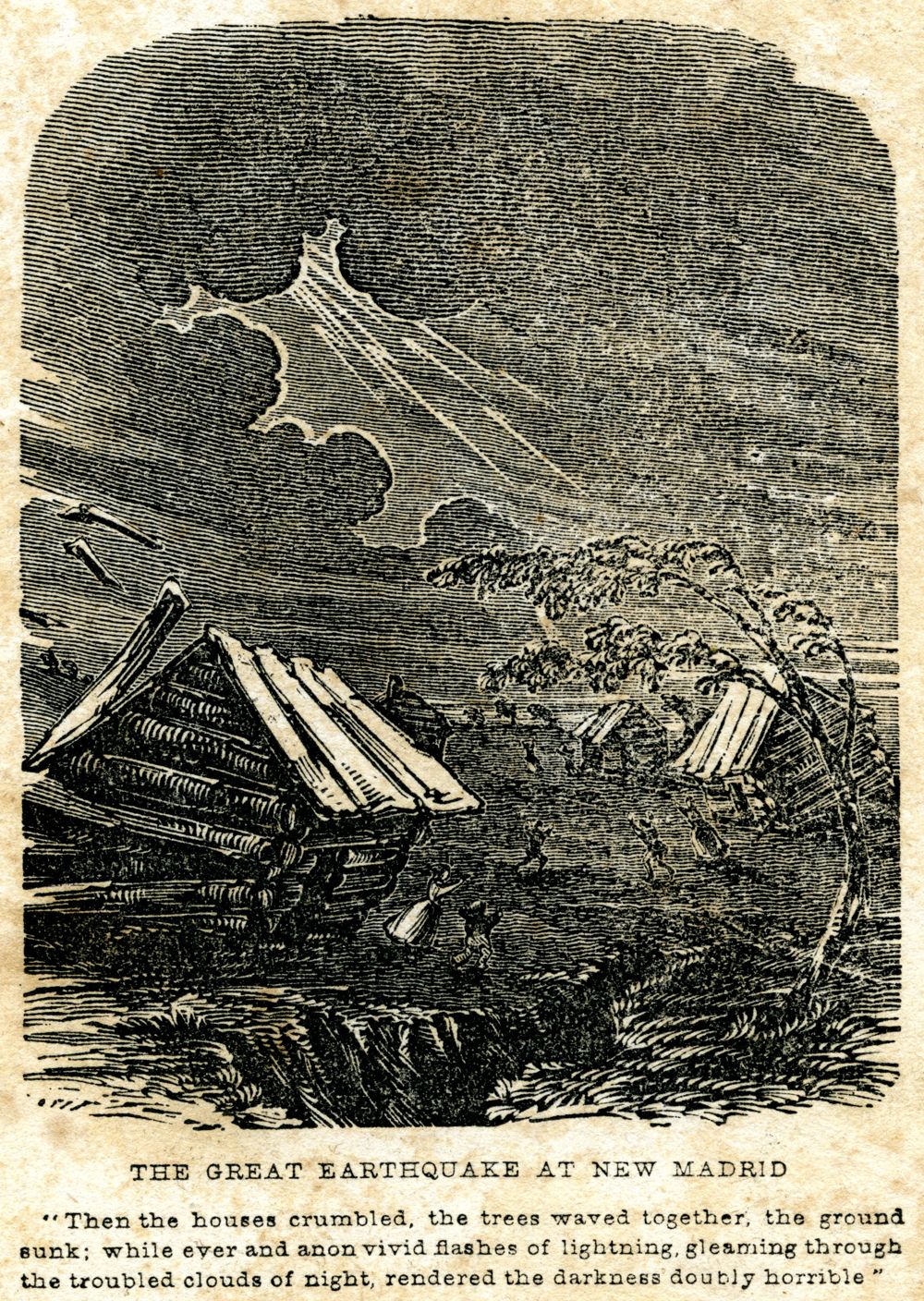
During the New Madrid quakes of 1811-12, people from St. Louis to Georgia reported flashes and glows. We read the 1815 letters and the modern lights catalog.
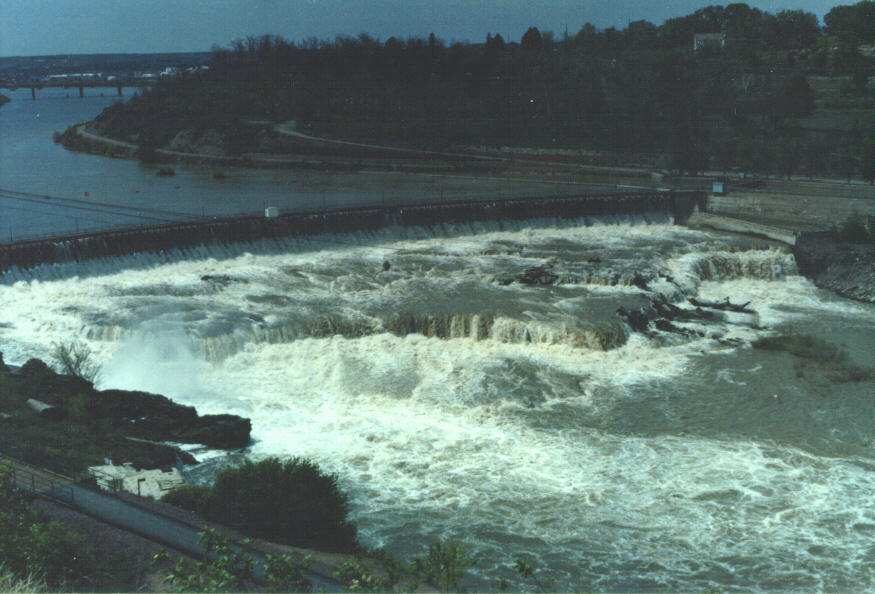
At the Great Falls of the Missouri in 1805, Lewis and Clark kept hearing booms like distant cannon under clear skies. They never found the cause.
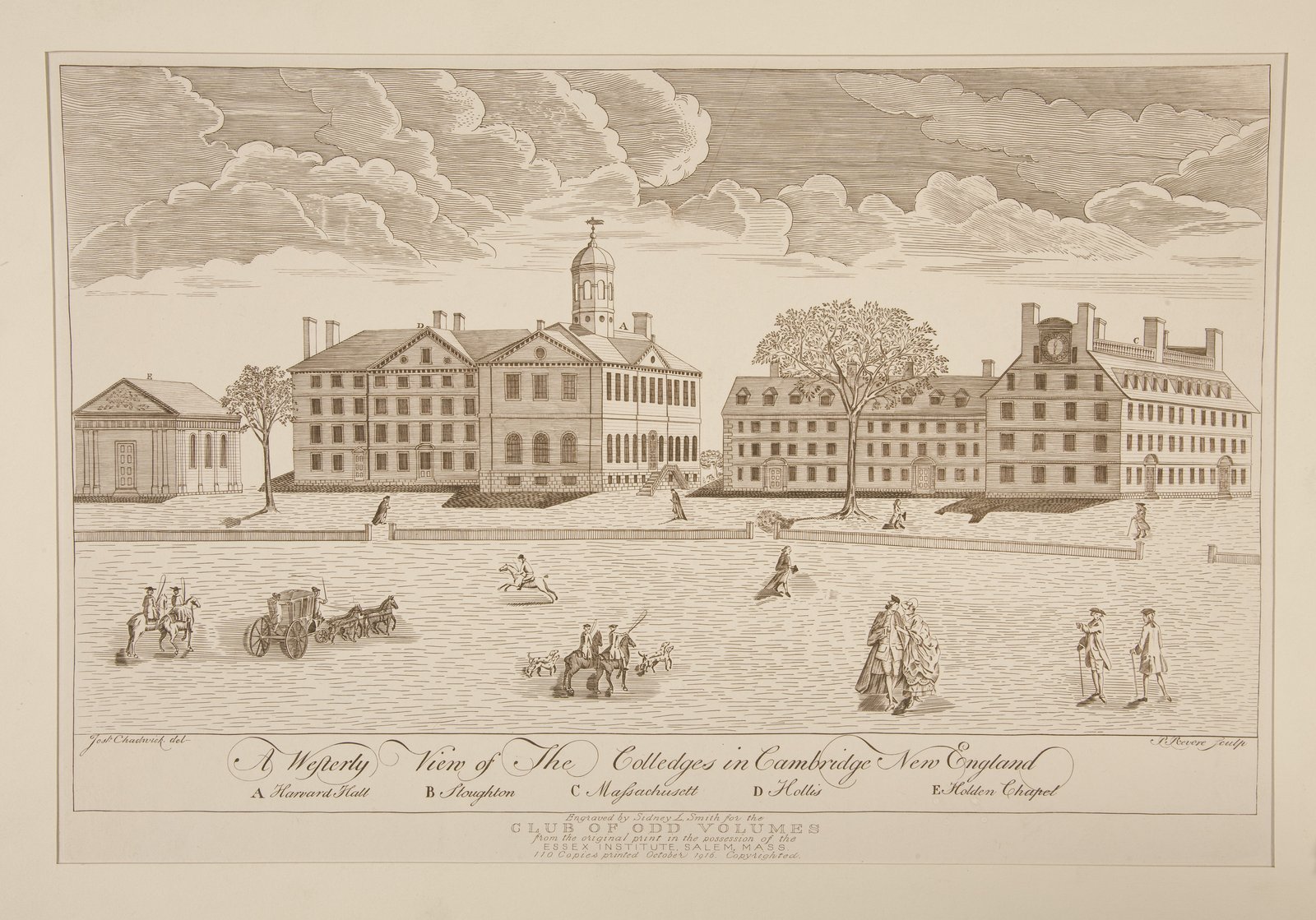
On 19 May 1780, noon needed candles across New England. We read Williams, a contemporary account sent to Adams, and the tree-ring study that traced the smoke.
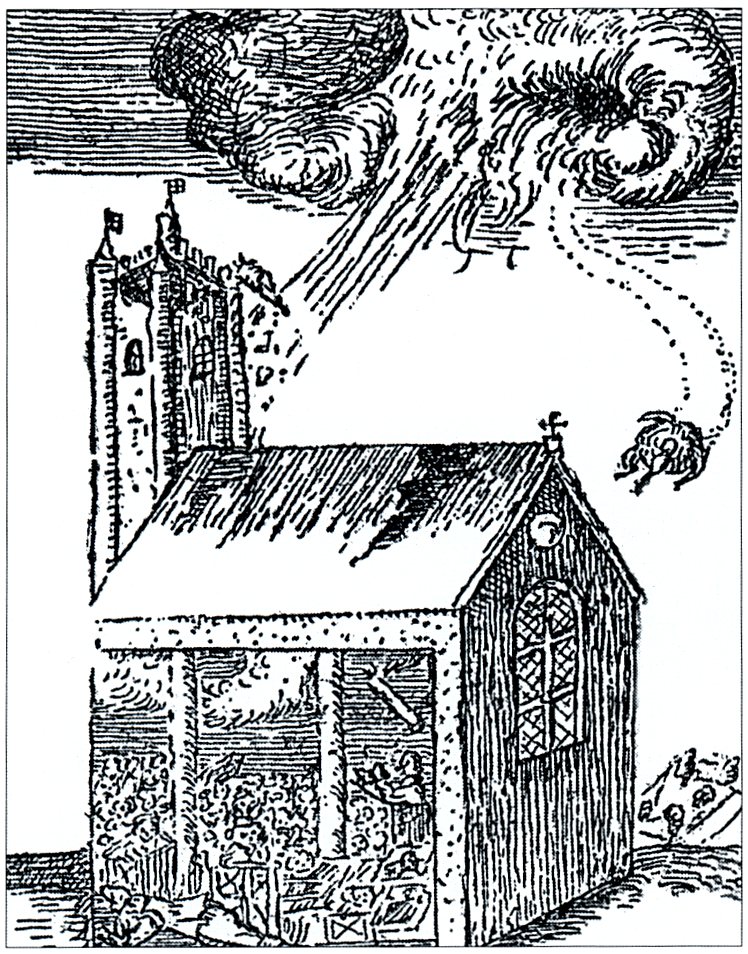
On Sunday afternoon, October 21, 1638, a violent thunderstorm struck the parish church at Widecombe-in-the-Moor on Dartmoor during the service.
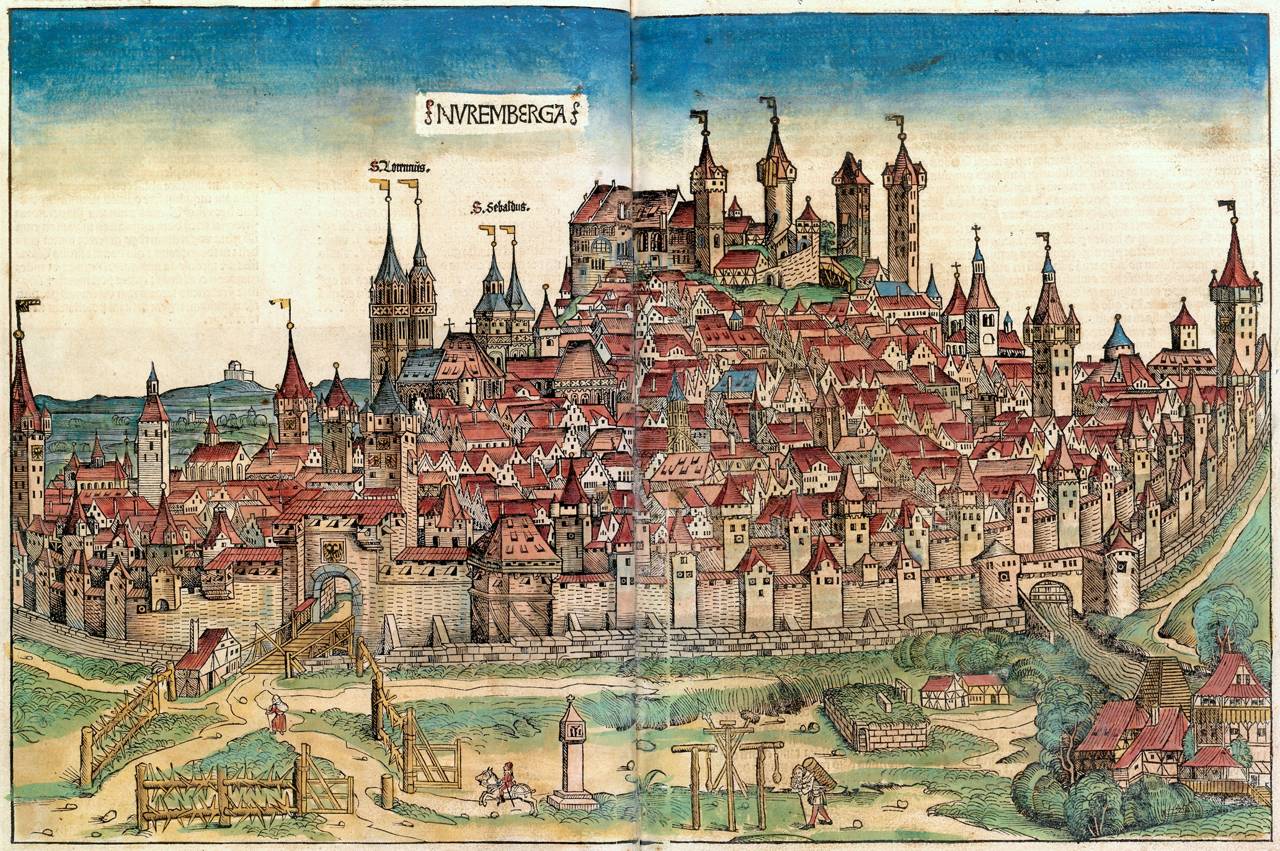
At sunrise on 14 April 1561, a Nuremberg broadsheet says, red, blue and black balls fought around the sun for an hour. We read the original print.
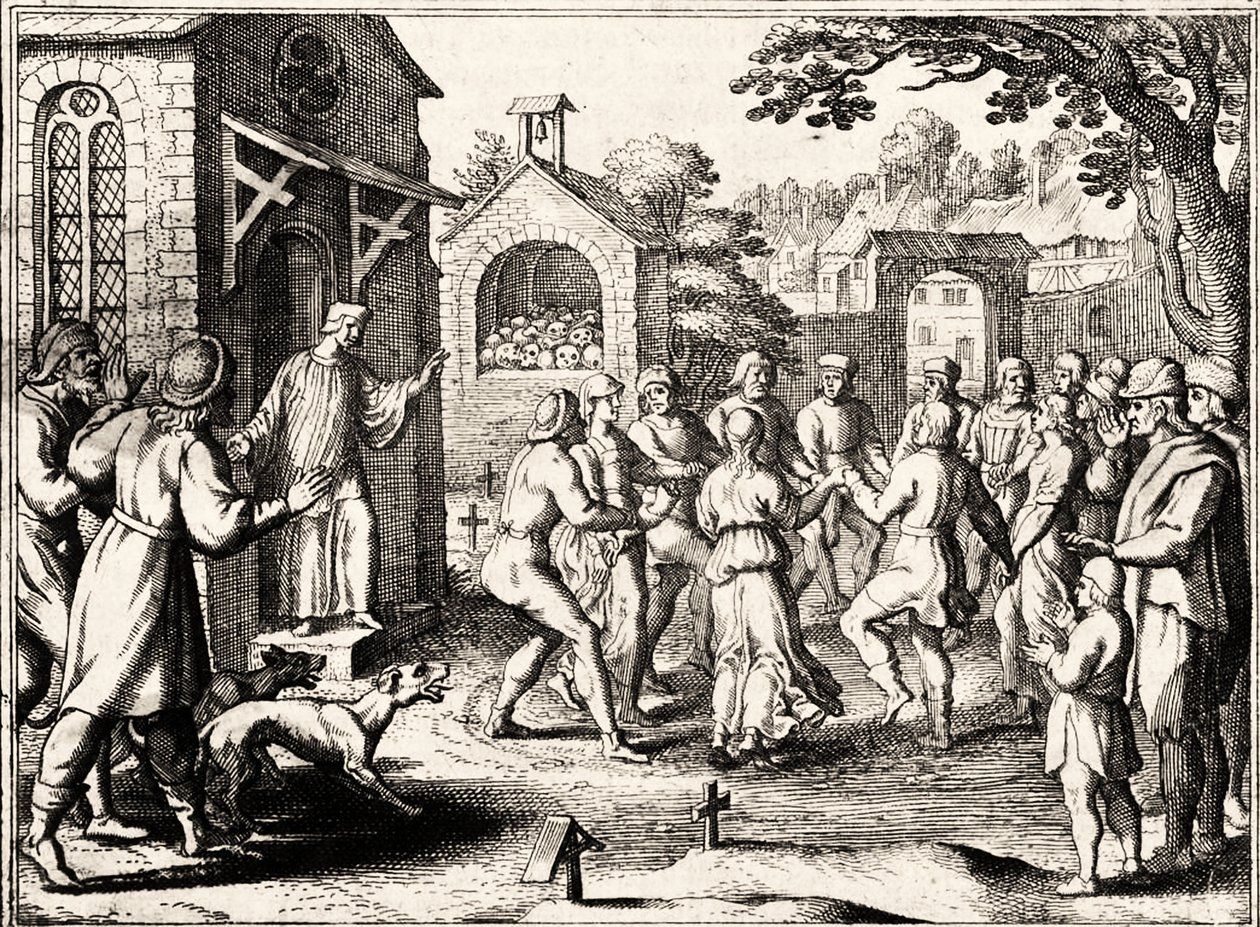
In July 1518 a woman began dancing in a Strasbourg street and did not stop.
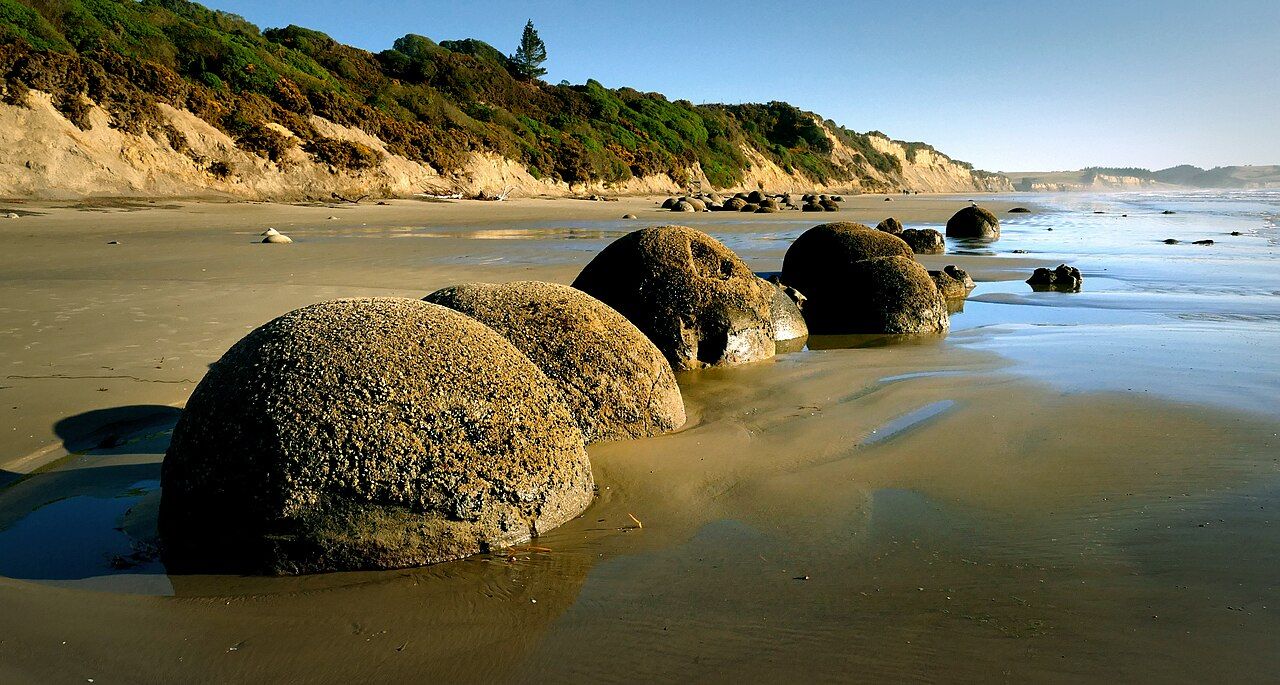
Huge round boulders sit on Koekohe Beach in Otago, New Zealand. We read what the encyclopedia, DOC and geologists say they are.